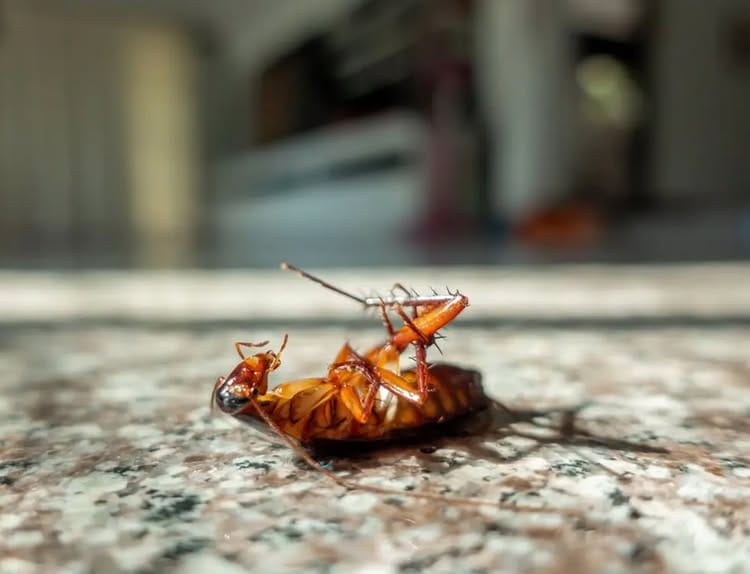
Does Clorox Kill Bed Bugs? The Shocking Truth You Need to Know

You’ve found them. Those tiny, blood-sucking pests known as bed bugs have invaded your sanctuary. In a panic, you might look under your sink for a powerful solution, and your eyes land on a bottle of Clorox bleach. It kills germs on contact, so surely it can wipe out a bed bug infestation, right?
As a tech educator who loves breaking down complex problems, I’m here to give you a clear, evidence-based answer. The short answer is yes, direct contact with Clorox bleach can kill bed bugs. But—and this is a massive “but”—it is an incredibly inefficient, dangerous, and ultimately futile strategy for dealing with an infestation.
Let’s dive into the why and explore what truly works.
How Bleach “Works” on Bed Bugs (And Why It Fails)
Bleach is a powerful oxidizing agent. In simple terms, it breaks down proteins and other molecules on a chemical level. When drowned in or directly sprayed with a strong bleach solution, it can corrode a bed bug’s exoskeleton and damage its internal organs, leading to death.
However, the key phrase here is “when drowned in or directly sprayed.” This is the fatal flaw in the “bleach solution.”
Dr. Eleanor Reed, a board-certified entomologist, explains:
“Bleach lacks any residual killing power. It only affects the bugs it touches directly at that moment. It does nothing to the vast majority of the infestation hiding in crevices, wall voids, and electrical outlets. You might kill a few visible bugs, but you’re missing the 95% that are hidden, including their eggs, which are notoriously resilient.”
The Stark Comparison: Bleach vs. Proven Methods
Let’s break this down into a clear, tech-inspired comparison table. Think of it as a specs sheet for pest control.
| Feature | Clorox Bleach | Professional-Grade Insecticides | Heat Treatment |
|---|---|---|---|
| Kills on Direct Contact? | Yes | Yes | Yes |
| Residual Effect? | No | Yes (weeks to months) | No, but not needed |
| Kills Hidden Bugs? | No | Only if spray reaches them | Yes (penetrates deep) |
| Kills Eggs? | Unreliable | Some do, some don’t | Yes (definitively) |
| Safety Risk | Very High (fumes, skin damage) | Moderate (requires care) | Low (handled by pros) |
| Damage to Home | High (bleaches surfaces) | Low | Minimal |
| Overall Efficacy | Extremely Low | High when used correctly | Extremely High |
As you can see, bleach is the “worst-in-class” option across almost every critical metric except for direct contact.
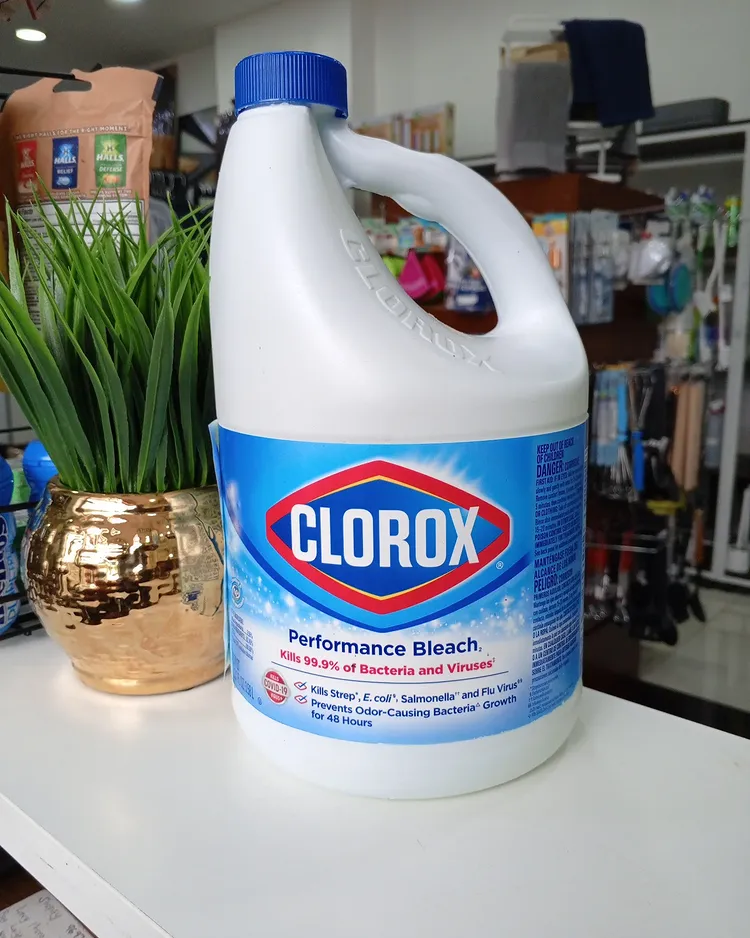
The Real-World Dangers of Using Bleach for Bed Bugs
Choosing bleach isn’t just ineffective; it’s actively risky. Here’s why:
- Health Hazards: The fumes from chlorine bleach are a potent respiratory irritant. Using it liberally in a bedroom can trigger asthma attacks and cause breathing difficulties. It’s also corrosive to your skin and eyes.
- Property Damage: Bleach will permanently discolor and damage your mattress, bedding, carpet, wood furniture, and clothing. You could end up with a bed-bug-free but permanently stained and devalued mattress.
- False Sense of Security: Killing the three bugs you see on your mattress rail makes you feel like you’re winning the war. In reality, you’ve just alerted the enemy, causing them to scatter deeper into your walls, making a professional solution later even more difficult and expensive.
The Modern, “High-Tech” Approach to Eradicating Bed Bugs
If bleach is the equivalent of trying to fix a complex software bug with a hammer, what are the modern, engineered solutions? The most effective strategies look more like a sophisticated tech stack.
1. Heat Treatment (The “Nuclear Option”)
Professionals use specialized heaters and fans to raise the temperature in your home to a consistent 120°F – 140°F. This is the “gold standard.” Heat penetrates everywhere—into walls, furniture, and every tiny crack—killing bed bugs and their eggs at all life stages. It’s chemical-free and incredibly effective in a single treatment.
2. Targeted Steam Treatment (The “Precision Strike”)
Using a high-temperature steamer (which emits dry steam) on your mattress seams, box springs, and baseboards is a highly effective DIY-adjacent method. The steam’s heat instantly kills bugs and eggs on contact. It’s a fantastic tool, but it requires patience and meticulousness to cover every possible hiding spot.
3. Integrated Pest Management (IPM)
This is the “smart system” approach. Pros combine multiple tactics:
- Chemical Barriers: Using modern, residual insecticides in targeted areas.
- Physical Removal: Vacuuming thoroughly and frequently.
- Encasements: Sealing your mattress and box spring in special, bug-proof covers to trap any inside.
- Monitoring: Using interception devices under bed legs to track the infestation’s status.
The Final Verdict: Skip the Bleach
So, does Clorox kill bed bugs? Technically, yes. But using it as a control method is one of the worst decisions you can make. It’s a dangerous, destructive, and ultimately pointless endeavor that will set you back in both time and money.