Does Bleach Kill Springtails? A Closer Look
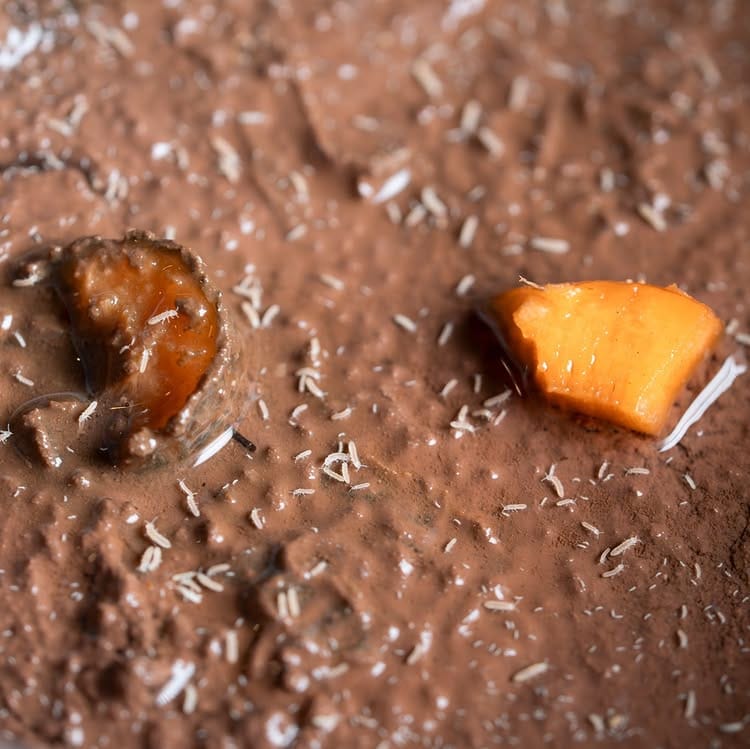
Of all the unexpected visitors in a home, few cause as much confusion and alarm as springtails. These tiny, hopping hexapods often appear in vast numbers around damp areas, leading many homeowners to ask: Does bleach kill springtails?
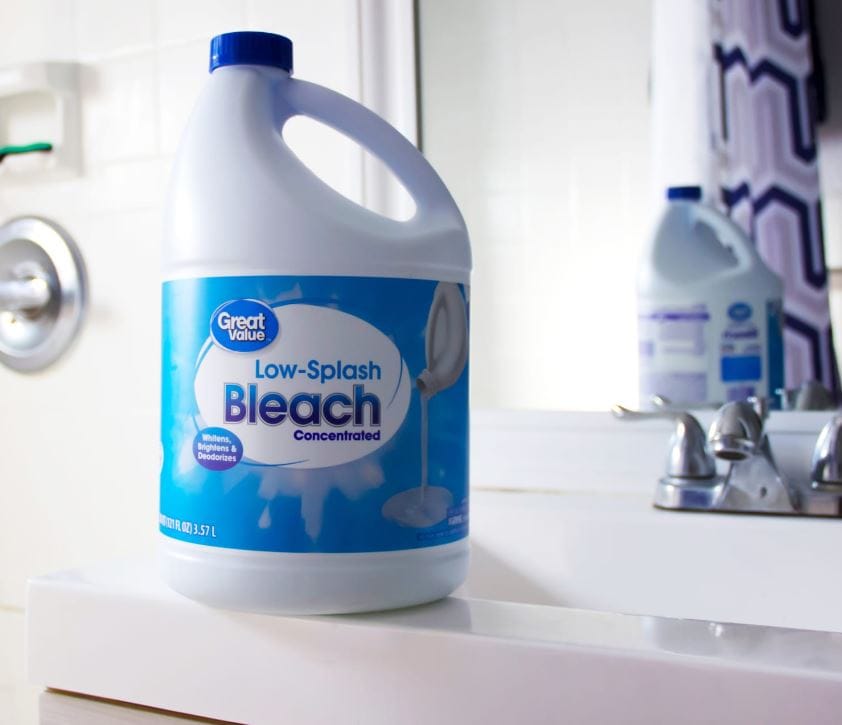
The short, straightforward answer is yes, bleach does kill springtails on contact. However, using bleach is a short-sighted, ineffective, and potentially hazardous strategy for long-term springtail control.
This article will dive deep into the science of why bleach works, why it fails as a solution, and the proven methods to eliminate a springtail infestation for good.
What Are Springtails and Why Are They in My Home?
Before reaching for the bleach bottle, it’s crucial to understand your adversary. Springtails (order Collembola) are not insects; they are ancient, soil-dwelling arthropods. They are:
- Extremely small: Typically 1-2 mm long (about the size of a pinhead).
- Harmless: They do not bite humans, spread diseases, or damage property or food.
- Named for their tail: They possess a forked appendage called a furcula tucked under their abdomen. When released, it propels them erratically through the air—hence the “spring” in their name.
Springtails have one primary biological driver: moisture. They breathe through their skin and require a humid environment to survive. They feed on decaying organic matter, mold, and fungi.
Pest control expert, Dr. Thomas Parker, explains: “When you see springtails indoors, you’re not seeing the problem; you’re seeing a symptom. They are a clear bio-indicator of excess moisture and an active mold or fungal food source. Squashing the messenger doesn’t fix the message.”
The Bleach-Springtail Reaction: A Closer Look
Bleach (sodium hypochlorite) is a powerful oxidizing agent. It aggressively breaks down proteins and other organic molecules.
When bleach comes into direct contact with a springtail, it essentially dissolves its exoskeleton and internal cells, leading to rapid death. This is why pouring bleach down a drain or spraying it on a visible cluster of springtails will yield immediate, satisfying results. You will see the bugs die.
The Critical Limitations of Using Bleach
While effective as a contact killer, bleach is a woefully inadequate solution for an infestation. The table below illustrates why.
| Feature | Why It’s a Problem for Springtail Control |
|---|---|
| No Residual Effect | Bleach quickly breaks down, especially when exposed to light and organic material. It leaves behind no lasting poison to kill springtails that emerge hours or days later. |
| Surface-Level Only | Bleach cannot penetrate deep into porous surfaces like drywall, wood, or cracks in your foundation where springtail colonies and their mold food source reside. |
| Addresses Symptom, Not Cause | Bleach kills the springtails you can see but does nothing to address the underlying moisture and mold problem that attracted them and is sustaining the population. |
| Health and Safety Hazards | Bleach fumes are harmful to inhale, it can damage surfaces, fabrics, and paints, and it is dangerous to mix with other common household cleaners (like ammonia). |
| Can Worsen the Problem | Ironically, the water in a bleach solution can temporarily increase humidity, and by killing surface mold, it may simply clear the way for other molds to grow, potentially creating a new food source. |
A Better Way: The Integrated Approach to Springtail Control
Effective springtail management is not about finding the strongest poison; it’s about making your home uninhabitable for them. Follow this proven, three-step process.
Step 1: Moisture Control is Paramount
This is the single most important step. Without moisture, springtails cannot survive.
- Fix Leaks: Repair leaky pipes, faucets, and faulty grading around your home’s foundation.
- Improve Ventilation: Use exhaust fans in bathrooms and kitchens. Ensure your crawlspace and attic are properly ventilated.
- Use a Dehumidifier: This is critical in damp basements and other problem areas. Aim to keep indoor humidity below 50%.
- Address Condensation: Insulate cold water pipes and windows to prevent sweat.
Step 2: Eliminate Their Food Source
By removing mold and decaying matter, you remove their reason for being there.
- Clean Thoroughly: Scrub areas with a vinegar or hydrogen peroxide solution to kill existing mold.
- Remove Debris: Clear away leaf litter, mulch, and woodpiles from directly contacting your home’s siding.
- Check Houseplants: Overwatered houseplants are a common hotspot. Let the soil dry out completely between waterings.
Step 3: Targeted, Low-Toxicity Treatments (If Necessary)
Once the environment is corrected, populations will crash. For immediate relief in heavy infestations, consider these safer, more targeted options than bleach.
- Insecticidal Soap or Diatomaceous Earth (DE): These are physical killers. Insecticidal soap breaks down their protective cuticle, causing dehydration. DE is a fine powder that scratches their exoskeleton, with the same fatal result. Both are low-toxicity to humans and pets.
- Desiccant Dusts: Products like silica aerogel can be applied to voids and cracks for long-lasting drying action.
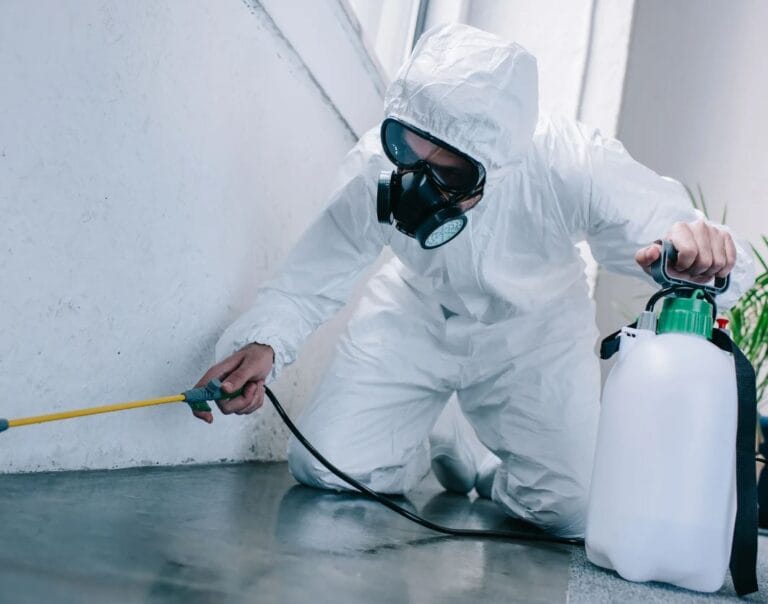
- Professional Pest Control: For persistent problems, a professional can correctly identify the core moisture issue and apply targeted, residual pesticides in critical areas, a far cry from the haphazard use of bleach.
The Final Verdict
So, does bleach kill springtails? Yes, but it’s a temporary fix that ignores the root of the problem.
Using bleach for springtails is like mopping up water from an overflowing sink without first turning off the tap. You’ll expend effort, use a harsh chemical, and the “water” will just keep coming back.