Does a Flat Iron Kill Moss? The Surprising Truth and Safer Alternatives
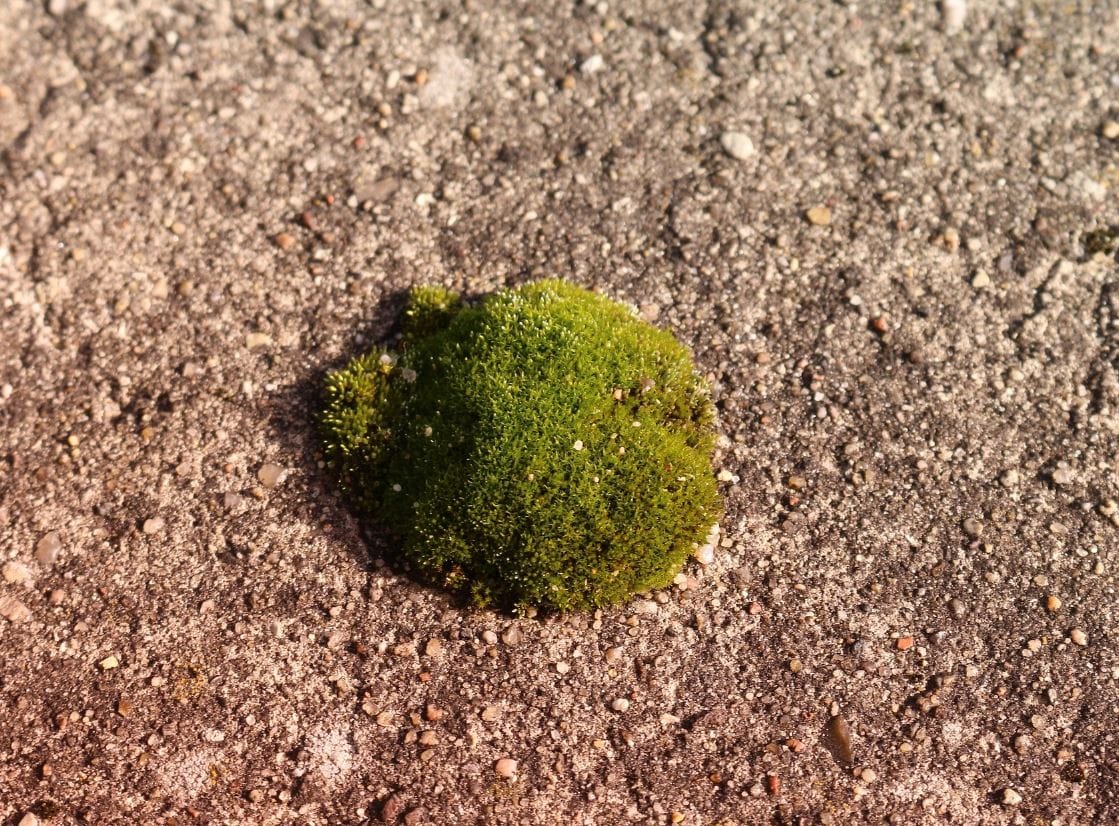
Moss growing on patios, pavers, and stone paths can be a persistent and unsightly problem. In the quest for a quick fix, many homeowners have looked at their utility closet with newfound creativity. One common question that arises is: can you use a flat iron to kill moss?
The short answer is yes, a flat iron can kill moss. The intense, direct heat from a clothing flat iron will desiccate and burn the delicate plant cells, effectively killing it on contact. However, while it’s a theoretically functional method, it’s far from the best or safest choice for the job.
This article will delve into the science of how heat affects moss, weigh the significant risks, and provide a clear comparison of why other methods are overwhelmingly superior.
How Heat Kills Moss: The Science of Desiccation
Mosses are non-vascular plants, meaning they don’t have true roots or a complex internal system for transporting water. They absorb all their moisture and nutrients directly through their leaves from the atmosphere and their immediate surroundings.
“Mosses are incredibly susceptible to desiccation,” explains Dr. Elena Green, a botanist specializing in bryology (the study of mosses). “Their cells are thin-walled and hold water very close to the surface. When you apply intense, dry heat—like from a flat iron or a flame—you cause that water to evaporate almost instantly. This ruptures the cell walls and cooks the chlorophyll, leading to immediate death of the plant tissue.”
This is the same principle behind using a propane torch for weed control, just on a much smaller, more precarious scale.
The Risks: Why Your Flat Iron is a Terrible Garden Tool
While effective in a narrow sense, using a flat iron for moss removal is fraught with downsides. It’s crucial to understand these risks before you even consider plugging one in outdoors.
- Safety Hazard: Combining an electrical appliance, an extension cord, and moisture (from the moss or a recent rain) is a recipe for electrocution or short-circuiting the iron.
- Inefficiency: A flat iron’s plate is only a few inches wide. Treating a square foot of moss would take an immense amount of time and meticulous, back-breaking effort.
- Damage to Surfaces: The high heat can easily damage or discolor the surface you’re trying to clean, including melting polymeric sand between pavers, cracking delicate stones, or leaving scorch marks.
- Destruction of Your Appliance: You will inevitably get dirt, sand, and moss residue on the plates, which can scratch them, gunk up the hinge, and ruin a perfectly good hair-styling tool.
- Superficial Results: The heat only kills the surface moss you can see. It does not address the spores or the underlying conditions (shade, moisture, low pH) that allowed the moss to grow in the first place, guaranteeing a quick return.
Flat Iron vs. Other Moss Removal Methods: A Detailed Comparison
The best way to illustrate why a flat iron is a poor choice is to compare it directly with established and effective moss removal techniques.
| Method | How It Works | Pros | Cons | Best For |
|---|---|---|---|---|
| Flat Iron | Direct heat application desiccates moss cells. | – Immediate visual results on contact. | – Extremely inefficient for large areas. – Major safety risk (electrocution). – Can damage surfaces & the iron itself. – Only kills surface moss, doesn’t prevent regrowth. | Not Recommended. A novelty for a single, tiny patch at best. |
| Manual Scrubbing & Raking | Physical removal using a stiff brush, rake, or a pressure washer on a low setting. | – Immediate and thorough removal. – No chemicals involved. – Provides exercise. | – Labor-intensive and physically demanding. – Can be messy. – Doesn’t prevent regrowth on its own. | Small to medium-sized patios, driveways, and lawns. |
| Chemical Moss Killers | Application of moss-specific herbicides (often with iron or potassium salts) that disrupt moss physiology. | – Very effective and long-lasting. – Covers large areas quickly. – Kills moss at the root level. | – Requires careful application to avoid harming desired plants. – May require a rain-free period to work. – Not a “natural” solution. | Large-scale problems on roofs, lawns, and extensive hardscaping. |
| Natural/DIY Solutions | Applying substances like vinegar, baking soda, or soapy water to alter the pH and dry out the moss. | – Eco-friendly and non-toxic. – Uses common household items. – Cheap and easy to apply. | – Slower acting than chemical options. – May require multiple applications. – Can affect soil pH if overused. | Eco-conscious homeowners with smaller, manageable moss issues. |
| Prevention & Environmental Control | Addressing the cause: increasing sunlight, improving drainage, and balancing soil pH. | – Provides a permanent, long-term solution. – Improves overall garden health. – No recurring labor or cost. | – Can be a slow process. – Not always feasible (e.g., can’t remove a large tree for sunlight). | The Ultimate Solution. Should be used in conjunction with any removal method. |
The Professional Verdict and Recommended Approach
So, what should you do instead? The most effective strategy is a combined tactical approach.
“The key to long-term moss control isn’t just killing what’s there; it’s changing the environment to make it inhospitable for future growth,” says Mark Stevens, a professional landscaper with over 20 years of experience. “I always recommend a two-step process: physically remove the existing moss with a brush or a low-pressure wash, and then apply a moss killer to eliminate any lingering spores. Finally, look at improving drainage and sunlight exposure to keep it from coming back.”
A Step-by-Step, Effective Moss Removal Plan:
- Remove: On a dry day, use a stiff broom or a plastic rake to vigorously scrub the moss off your patio or pavers. For lawns, a dedicated dethatching rake works best.
- Kill & Prevent: Apply a commercial moss killer suitable for your surface (check the label for lawns, patios, or roofs) or a natural alternative like a diluted vinegar solution.
- Address the Cause: Prune overhanging branches to allow more sunlight. Fill in low spots that collect water. For lawns, aerate the soil and test its pH, applying lime if it’s too acidic.
Conclusion
While the idea of using a flat iron to kill moss is rooted in sound scientific principle—heat does indeed destroy moss—it is an impractical, risky, and inefficient method. It poses a danger to you, your property, and your appliance. For any project larger than a single brick, you are far better off using traditional methods like scrubbing, targeted moss killers, or natural solutions. By focusing on both removal and prevention, you can achieve a moss-free surface that stays that way for the long haul, without sacrificing your hair-styling tools in the process.