Do Rats Like Ammonia? The Short Answer
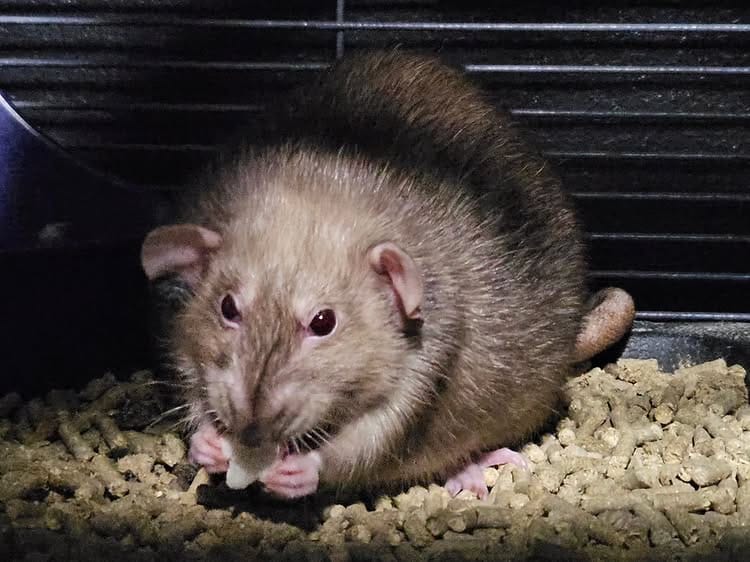
If you’ve ever battled a rodent infestation, you’ve likely heard the old wives’ tale: rats hate the smell of ammonia. This leads many homeowners to place bowls of ammonia or ammonia-soaked rags in their attics, basements, and crawl spaces, hoping the pungent odor will drive the pests away.
But does this method actually work? Is it a powerful, natural repellent, or a dangerous and ineffective myth? We’re diving into the science to give you a clear, definitive answer.
The Short Answer: Do Rats Like Ammonia?
No, rats do not like ammonia. The strong, pungent smell is irritating to their highly sensitive respiratory systems and noses. However—and this is a critical distinction—this dislike does not necessarily make ammonia an effective or reliable repellent. In some cases, it can even backfire.
Why the Myth Persists: The Science of Smell
The theory behind using ammonia as a rat repellent is rooted in a basic biological principle. Ammonia is a compound naturally found in rodent urine. The logic is that a strong concentration of ammonia would signal to a rat the presence of a large, dominant predator’s territory, scaring them away.

Dr. Eleanor Shaw, a rodentologist, explains the flaw in this reasoning:
“While rats have an exceptional sense of smell and find the sharp odor of ammonia aversive, they are also incredibly intelligent and adaptive creatures. They quickly learn to distinguish between a genuine threat and a mere unpleasant smell. A bowl of household ammonia doesn’t mimic the complex scent profile of a predator’s marking; it’s just an irritant they can often simply avoid and navigate around.”
The Dangerous Reality: Why Ammonia is a Poor Choice
Relying on ammonia is not just ineffective; it can be counterproductive and hazardous. Here’s why:
1. It Fails to Address the Root Cause
Rats are driven by survival needs: food, water, and shelter. A strong smell, no matter how unpleasant, will not deter a determined rat that has found a reliable food source in your home. They will find a way to bypass the smell to get to the resources they need.
2. The Risk of Attraction
Ironically, if the ammonia concentration is not overpowering, it can have the opposite effect. Rats use smell to navigate, and the scent of ammonia can remind them of the urine of other rodents. In some instances, a weak ammonia solution might pique their curiosity or be interpreted as a sign of other rat activity, potentially drawing them in to investigate.
3. Significant Health Hazards
Ammonia fumes are toxic to both humans and pets. Prolonged exposure can cause:
- Respiratory issues and difficulty breathing
- Eye, nose, and throat irritation
- Headaches and lung damage
Using it in enclosed spaces like cabinets or attics creates a significant health risk for your household.
Ammonia vs. Proven Rat Control Methods
The table below clearly illustrates why ammonia falls short compared to established pest control strategies.
| Feature | Ammonia (as a repellent) | Professional-Grade Traps | Sealing Entry Points | Sanitation |
|---|---|---|---|---|
| Effectiveness | Low to None | High | High (Preventative) | High (Preventative) |
| Primary Action | Irritates Smell | Kills or Captures | Blocks Access | Removes Attractants |
| Safety Risk | High (Toxic Fumes) | Moderate (if set safely) | Low | Low |
| Long-Term Solution | No | No, but provides immediate results | Yes | Yes |
| Addresses Root Cause | No | Partially | Yes | Yes |
What Actually Works: Effective Rat Control Strategies
Forget the myths. If you have a rat problem, here is what truly works, as recommended by pest control experts:
- Exclusion (Sealing Entry Points): This is the most effective long-term solution. Rats can fit through holes the size of a quarter. Use steel wool, hardware cloth, or caulk to seal all potential entry points around your foundation, vents, and roof.
- Sanitation: Eliminate the attractants. Store food (including pet food) in airtight containers, manage garbage securely, and clear away clutter in storage areas that could serve as nesting sites.
- Trapping: For an active infestation, snap traps and electronic traps are highly effective. Place them along walls and in areas where you’ve seen droppings or gnaw marks.
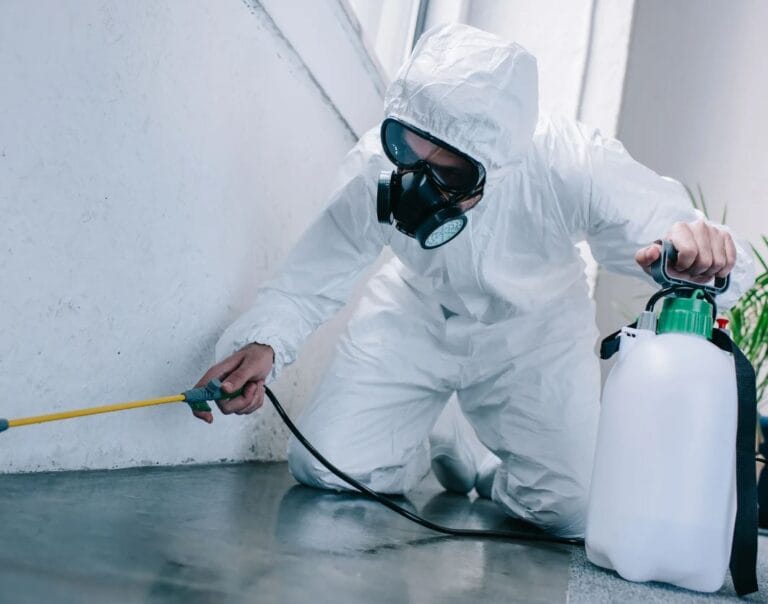
- Professional Pest Control: For severe or persistent infestations, a licensed pest control professional has the tools, knowledge, and bait stations to eliminate the colony safely and effectively.
The Final Verdict
So, do rats like ammonia? No, they find it unpleasant. But is it a reliable rat repellent? Absolutely not.
Using ammonia is an outdated, ineffective, and potentially dangerous tactic. It provides a false sense of security while leaving the real problem—the rats and the conditions attracting them—unaddressed. Don’t waste your time and risk your health on a myth. Focus instead on the proven, integrated methods of exclusion, sanitation, and trapping to reclaim your home from rodents for good.