Do Disinfectant Wipes Kill Mold? The Surprising Truth
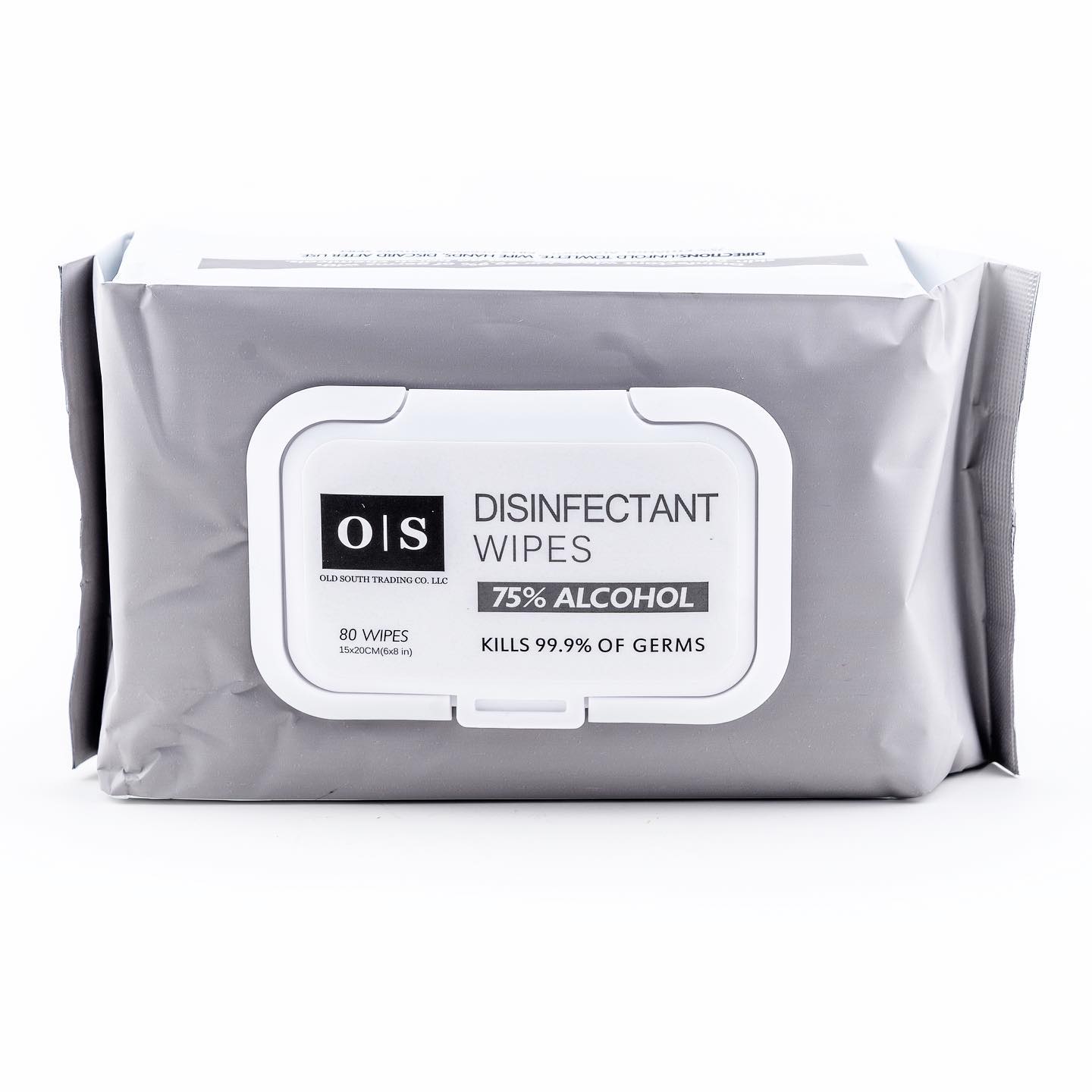
It’s a common household horror story: you move a piece of furniture or check a forgotten corner and find a patch of black, green, or white mold. Your first instinct might be to grab a container of disinfectant wipes—a quick and convenient solution for so many messes. But when it comes to mold, is this the right move?
The short answer is: it’s complicated. While some disinfectant wipes can kill mold on non-porous surfaces, they are often not a complete solution for a mold problem. Understanding why is key to effectively and safely dealing with mold in your home.
The Crucial Difference: Cleaning vs. Disinfecting vs. Killing Mold
To understand the role of disinfectant wipes, we must first distinguish between three key actions:
- Cleaning: Removes dirt, grime, and impurities from a surface. This does not necessarily kill germs or mold spores.
- Disinfecting: Uses chemicals to kill germs (bacteria and viruses) on surfaces. The EPA regulates disinfectants and their claims.
- Mold Remediation: The process of not only killing mold but also physically removing it and addressing the moisture source that caused it.
“Many people confuse cleaning with disinfecting,” says Dr. Emily Carter, a microbiologist and indoor air quality consultant. “A disinfectant wipe might kill the living mold cells it contacts on a hard surface, but it often leaves the staining and the root structure (mycelium) behind. More importantly, it does nothing to address the spores that have become airborne or the moisture that is feeding the growth.”

Do Disinfectant Wipes Actually Kill Mold?
Yes, but with major caveats. The effectiveness depends entirely on two factors:
- The Active Ingredient: Not all disinfectants are created equal.
- The Surface Type: Porous vs. non-porous.
The Right Ingredients Matter
Check the “active ingredients” on the back of your disinfectant wipe container. Look for one of the following, which are known to be effective against mold and mildew:
- Quaternary Ammonium Compounds (Quats): Commonly found in many popular household wipes. Effective on hard, non-porous surfaces.
- Sodium Hypochlorite (Bleach): Less common in wipes due to stability issues, but some brands offer “bleach-based” wipes. Highly effective at killing mold and removing the stain.
- Hydrogen Peroxide: Found in some “green” or less harsh disinfectant wipes. Also effective against mold.
If the active ingredient isn’t listed or isn’t one of these, the wipes are likely just cleaners and will not effectively kill the mold.
The Surface is Everything
This is the most critical factor in determining success.
- Non-Porous Surfaces (Glass, Metal, Sealed Countertops, Plastic): On these hard, impermeable surfaces, a disinfectant wipe with the right active ingredient can effectively kill the surface mold. The hard surface allows the chemical to directly contact and neutralize the mold cells.
- Porous Surfaces (Drywall, Wood, Carpet, Ceiling Tiles, Grout): On porous materials, disinfectant wipes are virtually useless. The mold’s root structure (hyphae) penetrates deep into the material. A surface wipe cannot reach it. Wiping can even spread the spores or push them deeper into the material.
Comparison: Disinfectant Wipes vs. Other Mold Removal Methods
| Method | Best For | How It Works | Pros | Cons |
|---|---|---|---|---|
| Disinfectant Wipes | Small, surface-level mold on non-porous surfaces (e.g., fridge seal, metal sink). | Chemical agents (Quats, Bleach) kill surface mold. | Convenient, easy to use, readily available. | Ineffective on porous surfaces, doesn’t remove stains or roots, doesn’t address moisture source. |
| Bleach Solution | Non-porous surfaces where staining is an issue (e.g., bathroom tiles). | Sodium hypochlorite kills mold and bleaches away the color. | Very effective at killing mold and removing visual stains. | Harsh fumes, can damage some surfaces, ineffective on porous materials. |
| Vinegar | A natural alternative for small areas on various surfaces. | Acetic acid kills about 82% of mold species and prevents regrowth. | Non-toxic, cheap, and readily available. | Smell may be unpleasant, not as immediately potent as bleach. |
| Professional Remediation | Large infestations (>10 sq. ft.), porous materials, or HVAC systems. | Contains, removes, and disposes of contaminated materials. Addresses moisture source. | Guarantees complete removal and addresses the root cause. | Expensive, requires specialized equipment and training. |
A Step-by-Step Guide for Using Wipes on Small Mold Patches
If you have a small patch of mold on a non-porous surface (less than 10 square feet), you can attempt to clean it with disinfectant wipes.
- Safety First: Wear disposable gloves and an N-95 mask to avoid inhaling spores.
- Ventilate: Open a window to allow spores and chemical fumes to escape.
- Wipe the Area: Thoroughly wipe the moldy area with the disinfectant wipe. Use a scrubbing motion if necessary.
- Dispose: Throw the used wipe directly into a sealed plastic bag.
- Dry the Area: Use a dry, disposable cloth to ensure the area is completely dry.
- Address the Moisture: This is the most important step. Find and fix the source of the moisture—whether it’s a leak, condensation, or high humidity—or the mold will return.
When to Put the Wipes Down and Call a Professional
Disinfectant wipes are a temporary fix, not a cure. You should avoid using wipes and call a professional mold remediation specialist if:
- The moldy area is larger than 10 square feet (roughly a 3ft. x 3ft. patch).
- The mold is on a porous surface like drywall, insulation, or ceiling tiles.
- You suspect mold is in your HVAC system.
- The mold has returned after you’ve cleaned it.
- You are dealing with sewage or contaminated water.
The Final Verdict
So, do disinfectant wipes kill mold? Yes, they can kill surface mold on non-porous materials, but they are a limited tool, not a comprehensive solution.
Think of them as a first-aid kit for a minor scrape, not the surgery required for a deep wound. For small, accessible spots on hard surfaces, a wipe with the right active ingredient can be a helpful stopgap. However, for any significant growth, porous materials, or recurring issues, true mold remediation—which involves physical removal and moisture control—is the only path to a healthy home.