Do Clorox Wipes Kill Parvo? The Surprising Truth Every Pet Owner Needs to Know
As a tech educator, I’m always explaining how things work—from complex code to everyday household gadgets. Today, we’re tackling a piece of technology you might not think of as such: disinfection. Specifically, we’re addressing a critical question for dog owners: Do Clorox wipes kill the Parvovirus?
If you’re a new puppy parent or a seasoned dog lover, the word “Parvo” is terrifying. Canine Parvovirus is a highly contagious and resilient virus that can survive in the environment for months, even years. When a outbreak strikes your home or yard, you want a surefire way to sanitize everything.
Let’s get the key takeaway out of the way first.
“Think of Parvo like a heavily encrypted file. Most basic cleaners can’t ‘crack the code.’ You need a specific, powerful ‘key’—which, in this case, is a bleach solution.” — The Canine Tech Blogger
So, where does that leave the convenient Clorox wipe? Let’s dive into the data.
The Short Answer: It’s Complicated (But Usually, No)
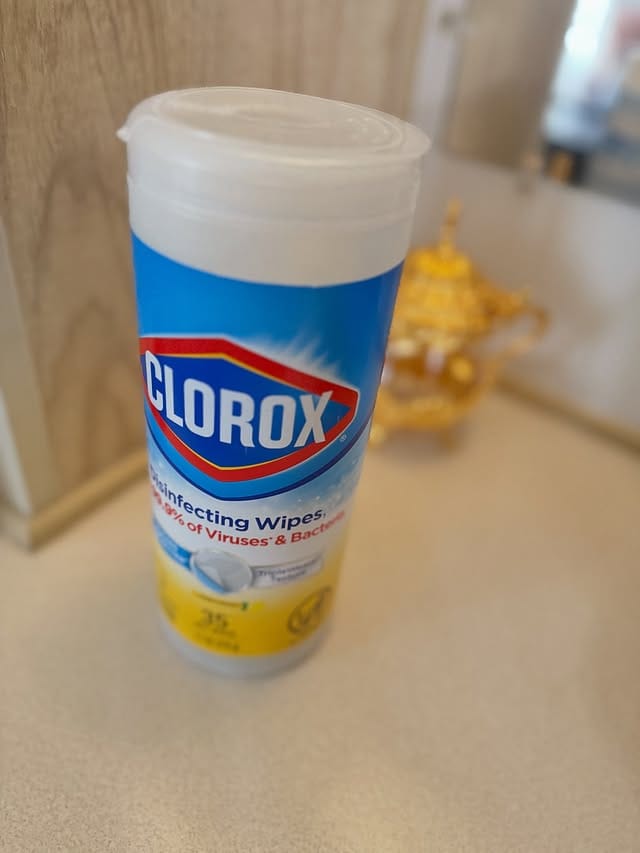
Standard Clorox Disinfecting Wipes are not effective against Canine Parvovirus.
The reason lies in the fundamental nature of the virus. Parvo is a “non-enveloped” virus, meaning it has a tough, protein-based capsid protecting its genetic material. This makes it incredibly hardy and resistant to many common disinfectants that easily destroy “enveloped” viruses (like the flu or coronavirus).
To kill Parvo, a disinfectant must be officially registered with the Environmental Protection Agency (EPA) as a parvocidal agent. The active ingredients and contact time listed on the product label must be proven to work against non-enveloped viruses.
Breaking Down the Disinfectant “Code”: A Tech Analogy
Let’s use a simple tech analogy.
- Enveloped Virus (like the flu): Imagine a simple text file. It’s easy to delete or corrupt.
- Non-Enveloped Virus (like Parvo): Imagine that same file, but now it’s locked in a bomb-proof, waterproof safe. You need a very specific tool to break it open.
Most common disinfectants, including the quaternary ammonium compounds in many Clorox wipes, are great at deleting the “simple text files.” But they bounce right off the “bomb-proof safe” that is Parvo.
The Disinfectant Showdown: What Works vs. What Doesn’t
To make this crystal clear, here’s a comparison table of common cleaning agents and their effectiveness against Parvo.
| Cleaning Agent | Effective Against Parvo? | Key Considerations |
|---|---|---|
| Bleach Solution | ✅ Yes | The gold standard. Must be diluted properly (1:32 with water) and given 10+ minutes of contact time. Can bleach fabrics and surfaces. |
| Rescue™ (Accel) | ✅ Yes | A veterinary-grade disinfectant that is non-bleach, non-corrosive, and parvocidal. Often used in kennels and clinics. |
| Standard Clorox Wipes | ❌ No | Designed for germs like E. coli and Salmonella. Lacks the required active ingredient and contact time to break down Parvo. |
| Lysol Spray (Most) | ❌ No | Many formulations are not proven against non-enveloped viruses. Always check the EPA label specifically for “Canine Parvovirus.” |
| Vinegar & Natural Cleaners | ❌ No | Completely ineffective. They do not have the chemical properties needed to destroy the virus’s structure. |
The Right Way to “Disinfect Your Drive”: A Step-by-Step Protocol
If you have or suspect Parvo in your home, you need a thorough “system wipe.” Here is your action plan, based on veterinary guidelines.
Step 1: Pre-Clean with Soap and Water
This is the most crucial step that many people miss. Disinfectants cannot penetrate organic matter like dirt, feces, or vomit. You must first scrub all surfaces with soap and water to physically remove the debris and the virus particles within it.
Step 2: Apply the Correct Disinfectant
Prepare a diluted bleach solution. The general recommendation is 1 part household bleach (5-6% sodium hypochlorite) to 32 parts water. This creates a strong enough solution to destroy the virus.
Pro Tip: Always mix a fresh batch for each cleaning session. Bleach solution loses its potency quickly once diluted.
Step 3: Ensure Proper Contact Time
This is the “processing time” for the disinfectant. Do not spray and immediately wipe. The bleach solution needs to saturate the surface and remain wet for at least 10 minutes to ensure the virus is neutralized.
Step 4: Rinse Food and Water Bowls, Toys, and Surfaces
After the 10-minute contact time, rinse any items your dog may come into contact with, especially food and water bowls, to remove any residual bleach.
When Might a Clorox Wipe Be Useful?
While standard wipes are useless for an active Parvo contamination, Clorox Healthcare® Hydrogen Peroxide Wipes are a different story. These are EPA-registered to kill non-enveloped viruses like Norovirus, which is in the same resilience category as Parvo.
The lesson? Always read the label. Look for the EPA registration and specific claims against “non-enveloped viruses.” When in doubt, default to the bleach solution.
Final Verdict: Don’t Gamble with Parvo
Protecting your furry family member from Parvo is non-negotiable. While Clorox Disinfecting Wipes are a fantastic tool for everyday messes and killing common bacteria, they are not the right “technology” for the job of eradicating Parvovirus.
Stick to the proven methods: a diligent pre-clean followed by a properly diluted bleach solution or an EPA-registered parvocidal disinfectant. Your puppy’s health is worth that extra step.