Cleaning Isn’t Just for Your Home: How Personal Routines Affect Hygiene
When we think about cleanliness, the focus usually stays within the home. Floors, surfaces, kitchens, bathrooms, these are the spaces we’re taught to maintain regularly. A clean environment is often associated with comfort, order, and health.
But cleanliness doesn’t stop at surfaces.
The routines we follow in our personal care have just as much impact on hygiene as the way we clean our homes. In fact, the two are closely connected. A well-maintained space can quickly lose its benefits if everyday habits, especially those involving skincare, grooming, and tools, are overlooked.
Understanding this connection is what turns cleaning into a more complete, practical approach to living.
The Overlap Between Home Hygiene and Personal Care
It’s easy to separate cleaning from self-care, but in reality, they operate within the same system.
Think about the items used daily: towels, brushes, skincare tools, cosmetics. These objects move between spaces, coming into direct contact with skin and surfaces alike. If they are not cleaned or maintained properly, they can become a source of buildup, bacteria, and irritation.
The same principle that applies to kitchen hygiene applies here: regular maintenance prevents problems before they start.
This is particularly important for routines that involve repeated use of products or tools near sensitive areas, such as the eyes. Small oversights, like not properly removing product residue, can lead to discomfort, infections, or longer-term issues.
Why “Clean Enough” Isn’t Always Enough
In home cleaning, there’s a difference between what looks clean and what actually is clean. The same applies to personal routines.
Something may appear removed or finished, but residue can remain. In skincare and beauty routines, this often happens when products are layered over time without proper removal.
Lash extensions are a good example. They enhance appearance and simplify daily routines, but they also require careful upkeep. When it comes time to remove them, doing so properly matters just as much as the application itself. Understanding safe methods for diy lash extension removal, such as those outlined by TAD Beauty, helps prevent unnecessary strain on natural lashes and reduces the risk of irritation.
This reflects a broader point: hygiene is not just about adding products or treatments, but about how they are maintained and removed.
The Build-Up We Don’t See
One of the most overlooked aspects of hygiene is buildup. In the home, buildup appears as dust, grease, or residue over time. In personal care, it can be less visible but equally important. Product residue, oils, and environmental particles can accumulate on the skin, tools, and accessories used daily.
Without proper removal, this buildup can interfere with how products perform and how the skin responds. For example, using clean tools but neglecting proper removal routines creates an imbalance. The environment is maintained, but the process itself is incomplete. Recognising these patterns is the first step toward more effective hygiene.
What Health Guidance Suggests
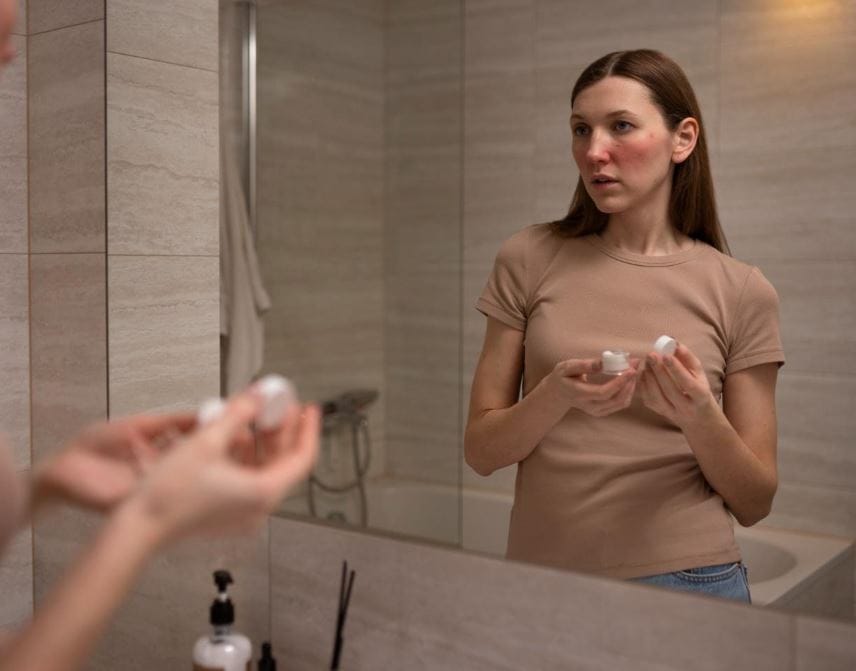
Image by fabrikasimf on Freepik
The importance of consistent hygiene practices is reinforced by organisations such as the NHS, which emphasises that regular cleaning, both in living environments and personal care, plays a key role in preventing irritation, infections, and other avoidable issues.
While much of this guidance focuses on handwashing and surface hygiene, the principle extends to everyday routines. The more consistently something is maintained, the less likely it is to cause problems later. This is especially relevant for areas that are more sensitive or frequently exposed to external factors.
From Occasional Fixes to Consistent Habits
One of the most common challenges in both home cleaning and personal care is inconsistency.
It’s easy to respond to visible issues, deep cleaning when something looks dirty, adjusting routines when irritation occurs. But waiting for a problem to appear often means the issue has already developed.
A more effective approach is to build small, consistent habits that prevent those issues from forming in the first place.
This doesn’t require more time. It requires more awareness. Simple adjustments, like ensuring complete removal of products, regularly cleaning tools, and paying attention to how routines affect the skin, can make a significant difference over time.
The Role of Routine in Reducing Friction
Well-structured routines reduce effort. In the home, this might mean having a regular cleaning schedule that keeps tasks manageable. In personal care, it means creating habits that support hygiene without requiring constant decision-making.
When routines are consistent, they become automatic. There is less need to think about each step, which makes it easier to maintain them over time. This is where many people find balance, not by doing more, but by doing things more consistently.
Clean Spaces, Clear Results
There is a direct relationship between the cleanliness of a space and the effectiveness of what happens within it.
A clean kitchen supports safe food preparation. A clean workspace supports focus. In the same way, clean personal care routines support better outcomes for skin, hair, and overall comfort.
When hygiene is maintained at every level, environmental and personal, the results are more predictable. There are fewer disruptions, fewer unexpected issues, and a greater sense of control over daily routines.
A More Complete Definition of Clean Living
Clean living is often reduced to visible order, tidy spaces, organised rooms, polished surfaces. But a truly clean routine goes further. It includes how we care for ourselves, how we maintain the tools we use, and how consistently we follow through on everyday habits.
It recognises that hygiene is not a single action, but a system. When that system is aligned, when home cleaning and personal care support each other, the result is not just a cleaner space, but a more comfortable, reliable way of living.
Why It Matters
The difference between surface-level cleaning and complete hygiene is subtle, but important. It affects how we feel, how our routines function, and how well our environment supports us. It reduces the need for reactive fixes and replaces them with steady, manageable habits.
In the end, cleanliness is not just about what we remove. It is about how consistently we care for what we use every day. And that includes more than just our homes.