Clean Homes Depend on More Than Surface-Level Cleaning
A clean home is often associated with visible results, fresh floors, spotless countertops, and organized spaces. While these elements are important, true cleanliness goes far beyond what can be seen. The systems that support hygiene behind the scenes, particularly plumbing, play a critical role in maintaining a healthy living environment.
Without reliable water flow, proper drainage, and functional sanitation systems, even the most thorough cleaning routines can fall short. Kitchens and bathrooms rely heavily on plumbing to remove waste, supply clean water, and support daily hygiene habits. When these systems are not functioning properly, they can introduce hidden risks that affect both cleanliness and overall health.
For homeowners focused on maintaining a truly clean and safe environment, understanding the relationship between cleaning and infrastructure is essential. A spotless home starts not just with effort, but with systems that support consistent hygiene.
Hygiene Begins with Reliable Water Systems
Water is at the center of every cleaning routine. From washing dishes to cleaning surfaces and maintaining personal hygiene, access to clean and consistent water is essential.
When plumbing systems are functioning properly, they support effective cleaning by ensuring that water flows safely and efficiently throughout the home. However, when issues arise, such as leaks, contamination, or inconsistent pressure, the effectiveness of cleaning efforts can be compromised.
Clean water is not just about convenience. It is fundamental to preventing the spread of bacteria and maintaining a hygienic environment. Without it, even regular cleaning routines may fail to deliver the intended results.
Kitchen and Bathroom Systems as Hygiene Zones
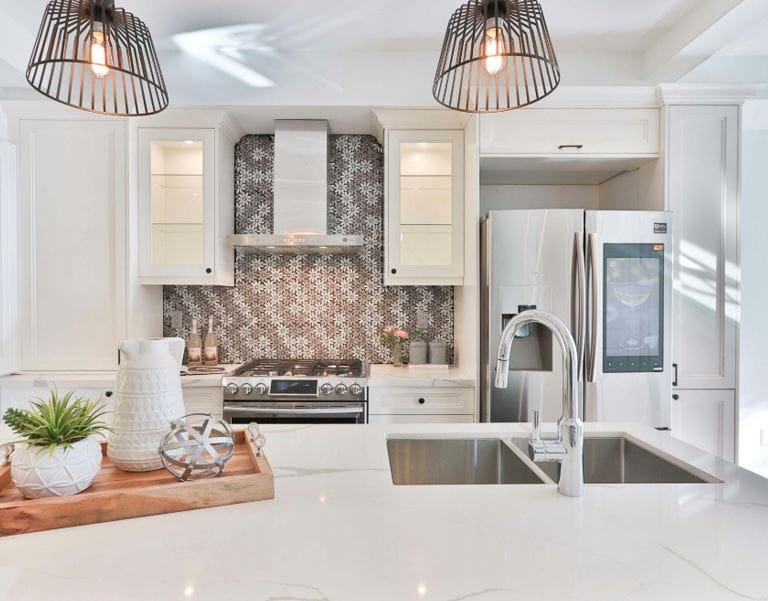
The kitchen and bathroom are the two most critical hygiene zones in any home. These areas are used frequently and are directly connected to water systems that must function reliably.
Sinks, drains, and pipes in these spaces handle both clean water and waste. If not maintained properly, they can become sources of contamination rather than cleanliness. Grease buildup in kitchen pipes or residue in bathroom drains can lead to unpleasant odors and bacterial growth.
Maintaining these systems is essential for ensuring that hygiene standards are met consistently. Clean surfaces alone are not enough if the systems behind them are not functioning properly.
Professional Support for Deeper Home Cleanliness
While routine cleaning can address surface-level dirt and grime, deeper system-related issues often require professional attention. Plumbing systems are complex, and problems within them are not always visible until they become significant.
Homeowners who want to maintain a truly clean environment often rely on services like Lexity Plumbing & Electrical, Melbourne to ensure that water systems, drainage, and sanitation components are functioning as they should.
Professional support helps identify hidden issues, prevent recurring problems, and maintain the integrity of systems that support everyday cleanliness.
Clean Water and Sanitation as Health Foundations
Cleanliness is closely tied to health, and plumbing systems play a central role in both. Access to safe water and proper waste disposal directly impacts the ability to maintain hygienic conditions within the home.
According to the World Health Organization (WHO), access to safe water and proper sanitation improves hygiene and helps prevent the spread of disease.
This highlights the importance of maintaining plumbing systems not just for convenience, but for overall health and well-being. Without proper sanitation, the risk of contamination and illness increases significantly.
The Risk of Hidden Contamination in Plumbing

Photo by Vitaly Gariev on Unsplash
Plumbing systems can sometimes harbor bacteria if not properly maintained. Over time, buildup within pipes or stagnant water can create conditions where microorganisms thrive.
Research has shown that certain bacteria can develop within plumbing systems and pose potential health risks if left unchecked.
This does not mean that plumbing systems are inherently unsafe, but it does emphasize the importance of regular maintenance. Ensuring that systems are clean, functional, and free of buildup helps reduce these risks and supports a healthier home environment.
Drain Maintenance and Its Role in Cleanliness
Drains are a key part of maintaining cleanliness, yet they are often overlooked until problems occur. Slow drainage, unpleasant odors, or recurring blockages are signs that the system requires attention.
Regular drain maintenance helps prevent buildup and ensures that waste is removed efficiently. This not only improves functionality but also supports a cleaner and more hygienic environment.
When drains are functioning properly, they contribute to overall home cleanliness by eliminating waste quickly and reducing the risk of contamination.
Preventing Water Damage and Mold Growth
Water damage is one of the most common issues linked to plumbing problems. Leaks, burst pipes, or faulty connections can introduce moisture into areas where it should not be present.
This moisture can lead to mold growth, which poses both health risks and structural concerns. Mold thrives in damp environments and can spread quickly if not addressed.
Preventing water damage through proper maintenance helps protect both the home and its occupants. It ensures that cleaning efforts are not undermined by hidden issues that can develop over time.
Cleaning Efficiency and System Performance
The efficiency of cleaning routines is closely tied to how well plumbing systems perform. Strong water pressure, consistent temperature, and proper drainage all contribute to more effective cleaning.
When these elements are compromised, cleaning becomes more difficult and less effective. For example, low water pressure can make it harder to remove dirt and residue, while poor drainage can leave standing water that attracts bacteria.
Maintaining system performance ensures that cleaning tasks can be carried out efficiently, saving time and improving results.
Long-Term Cleanliness Requires Ongoing Maintenance
Maintaining a clean home is not a one-time effort but an ongoing process. While regular cleaning routines are essential, they must be supported by systems that function reliably over time.
Plumbing maintenance plays a key role in this process. By addressing issues early and ensuring that systems remain in good condition, homeowners can prevent disruptions that affect cleanliness.
This proactive approach helps create a home environment that is not only visually clean but also hygienically sound, supporting both comfort and health in the long term.