
Can You Use Windex on a Glass Top Stove? An Expert Cleaning Guide
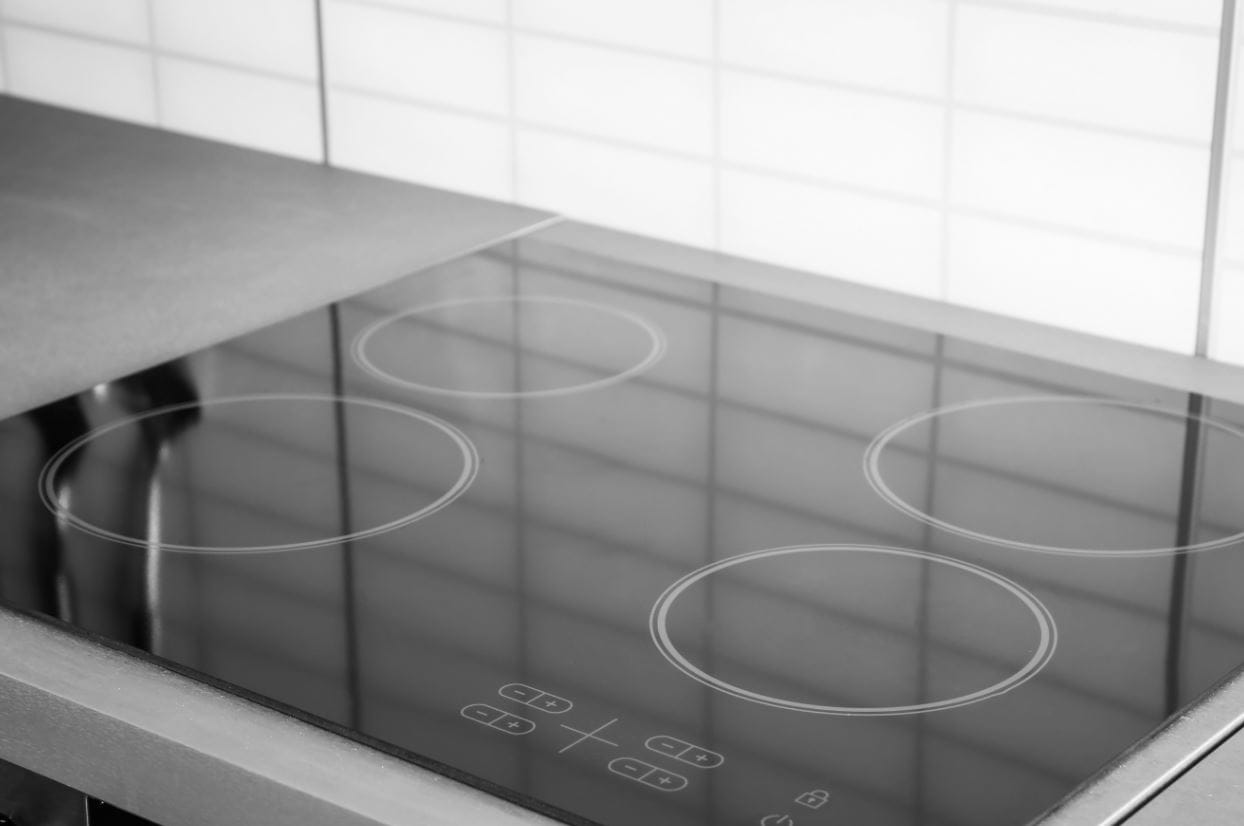
That sleek, modern glass top stove is the centerpiece of your kitchen, but it can quickly become a nightmare of streaks, stains, and baked-on grime. When a spill happens, your first instinct might be to grab the trusty Windex. But stop right there.
Using the wrong cleaner can turn your beautiful appliance into a permanently cloudy, scratched mess. This guide, backed by expert cleaning advice, will give you the definitive dos and don’ts for keeping your glass cooktop sparkling and safe.
The Short Answer: Why Windex is a Bad Idea for Your Glass Stove
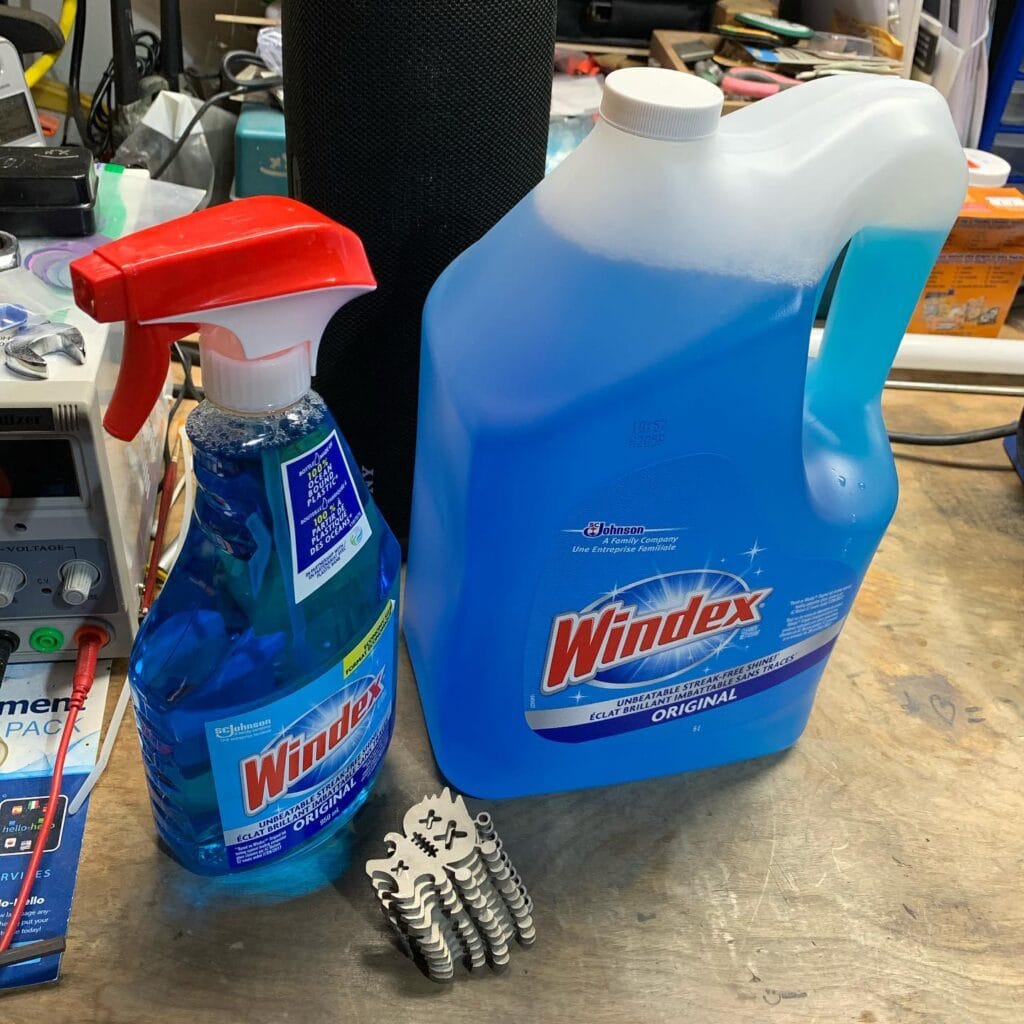
No, you should not use original blue Windex on a glass top stove.
While both your stove and a window are made of glass, they are fundamentally different. A stove’s glass-ceramic surface is designed to withstand intense heat, not the chemical composition of standard glass cleaners.
The Chemical Culprits: What’s in Windex That Causes Problems?
The classic blue Windex formula contains two main components that make it unsuitable for your cooktop:
- Ammonia: This is a powerful degreaser, but it can be too harsh. It can break down the special sealants and coatings on the glass surface over time, leading to cloudiness and weakening its structural integrity.
- Dyes and Fragrances: The iconic blue color and fresh scent are added by chemicals that can leave a filmy residue. When heated, this residue can bake onto the surface, creating stubborn stains and potentially releasing unpleasant or harmful fumes.
Expert Quote: “Think of your glass stove top as a high-performance automotive finish, not a window pane. Using an abrasive or chemically harsh cleaner like ammonia-based Windex is like using dish soap on your car’s paint—it will gradually degrade the surface and ruin its shine,” says Maria Gonzalez, a professional appliance repair technician with 15 years of experience.
The Right Way: Expert-Recommended Cleaning Products & Methods
So, if Windex is off the table, what should you use? The best approach involves products specifically designed for the unique properties of a glass-ceramic cooktop.
The Gold Standard: Dedicated Cooktop Cleaners
Products like Weiman Glass Cooktop Cleaner or CeramaBryte are specifically formulated for this job. They contain gentle, non-abrasive cleaners that cut through grease without scratching, and most include a polishing agent that leaves a protective shine, making future clean-ups easier.
How to Use Them:
- Ensure the cooktop is completely cool to the touch.
- Apply the cream-based cleaner directly to the surface.
- Using a non-scratch scrubbing pad (often included with the cleaner), gently work the product over the surface in a circular motion, focusing on burnt-on spots.
- Wipe away the residue with a soft, damp cloth.
- Finish with a dry microfiber cloth to eliminate streaks.
The DIY Powerhouse: Baking Soda and Vinegar
For a highly effective, natural, and inexpensive clean, you can’t beat this classic combo. Baking soda is a gentle abrasive, while vinegar helps to break down grease.
Step-by-Step DIY Method:
- Cool Down: Always start with a completely cool stove.
- Spray: Lightly mist the surface with white vinegar.
- Paste: Sprinkle a generous amount of baking soda over the vinegar. It will fizz slightly.
- Steam (Optional): For tough, baked-on grime, place a damp, hot towel over the pasted area for 10-15 minutes. The steam will help loosen the debris.
- Scrub: Gently scrub the paste with a soft cloth or a non-scratch scrubber.
- Wipe & Shine: Wipe everything clean with a damp cloth and follow up with a dry microfiber cloth for a streak-free finish.
Product Comparison Table: Choosing Your Cleaner
| Feature | Dedicated Cooktop Cleaner (e.g., Weiman) | DIY Baking Soda Paste | Standard Windex |
|---|---|---|---|
| Safety for Surface | ✅ Excellent (Specifically Formulated) | ✅ Excellent (Gentle Abrasive) | ❌ Poor (Harsh Chemicals) |
| Effectiveness on Grease | ✅ Excellent | ✅ Very Good | ⚠️ Moderate (Can smear) |
| Effectiveness on Burnt-On Food | ✅ Excellent | ✅ Good to Excellent | ❌ Poor |
| Streak-Free Finish | ✅ Excellent (With Polishing Agents) | ⚠️ Good (Requires buffing) | ❌ Poor (Leaves film) |
| Cost | $$ Higher | $ Very Low | $ Low |
| Prevents Future Buildup | ✅ Often, due to protective coating | ❌ No | ❌ No |
Your Essential Glass Stove Top Cleaning Toolkit
To make cleaning effortless, keep these tools on hand:
- A dedicated cooktop cleaner or baking soda
- A single-edge razor blade scraper: The ultimate tool for safely removing burnt-on food. Hold it at a 45-degree angle and gently scrape on a cool or slightly warm surface.
- Non-scratch scrubbing pads: For general scrubbing without fear of scratches.
- Microfiber cloths: Essential for a final, streak-free wipe-down.
Conclusion: Protect Your Investment
Your glass top stove is a significant investment in your kitchen. While it may be tempting to reach for a convenient spray bottle of Windex, the risk of permanent damage is not worth it. By using a dedicated cooktop cleaner or a simple, effective DIY paste, and employing the right tools like a razor scraper, you can keep your stove looking brand new for years to come. Ditch the Windex and embrace the right cleaning routine for a flawless, functional cooktop.


