Can You Use Clorox Wipes on Leather Car Seats? The Surprising Truth
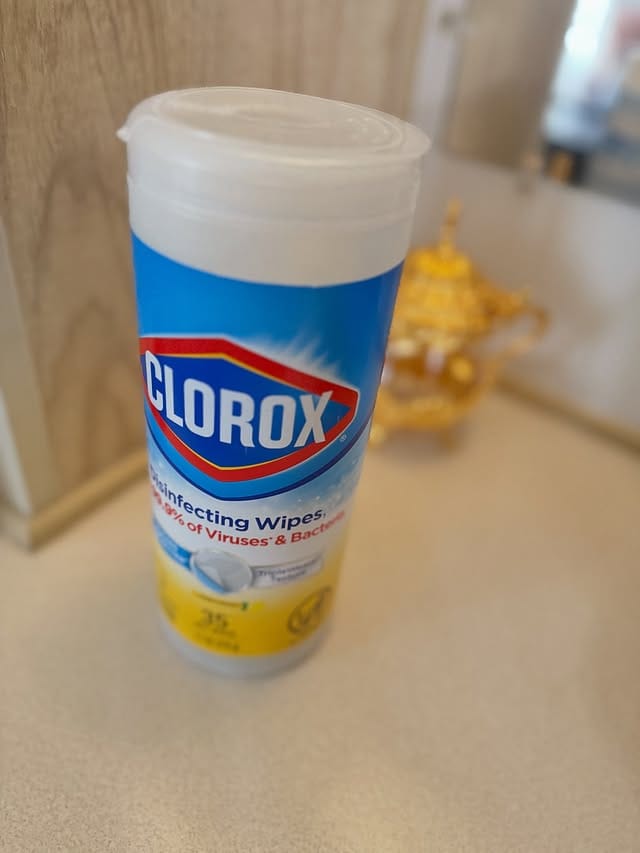
As a tech educator, I love breaking down how everyday products interact with the materials in our lives. Your car’s interior is a perfect example of this—a high-tech environment where chemistry meets comfort. One of the most common questions I get is: “Can I just use a Clorox wipe to clean my leather car seats?”
It’s a tempting thought. They’re convenient, powerful, and promise to disinfect. But when it comes to your car’s leather, this is one shortcut you must avoid.
Let’s get straight to the point: No, you should not use Clorox wipes on leather car seats. While they are fantastic for hard, non-porous surfaces like countertops and doorknobs, they are actively harmful to the sophisticated material that makes up your car’s interior.
The Chemistry Clash: Why Clorox Wipes are a No-Go for Leather
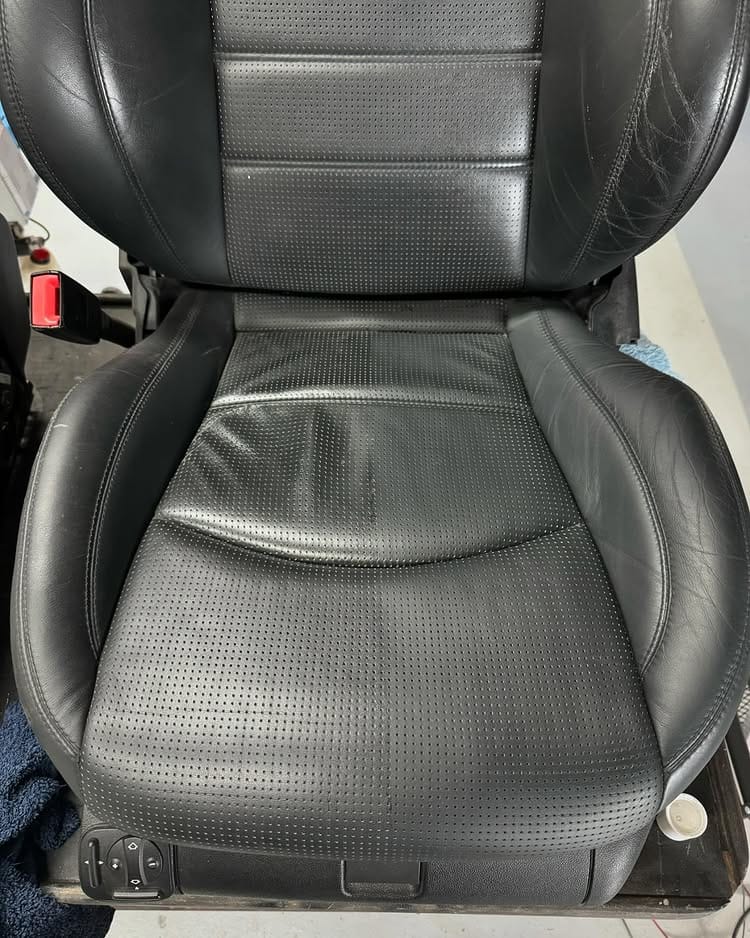
To understand why, we need to think about what leather really is. The leather in your car isn’t the same as a raw, full-grain leather jacket. It’s a piece of advanced material engineering.
“Automotive leather is almost always coated with a protective polymer layer called a topcoat or finish,” explains a veteran automotive interior designer I spoke with. “This coating is what gives the leather its consistent color and makes it durable enough to handle daily wear and tear. It’s also slightly porous to allow the seats to ‘breathe.'”
This is where the problem starts. Clorox wipes contain two primary ingredients that are the arch-nemeses of this delicate system:
- Bleaching Agents (Sodium Hypochlorite): This is the powerhouse disinfectant. It’s brilliant for killing germs but far too harsh for leather. It breaks down the dyes and the topcoat, leading to fading, discoloration, and a dull, chalky appearance.
- Harsh Cleaning Agents & Alcohol: These chemicals are designed to cut through grease and grime on hard surfaces. On leather, they do the same thing—they strip away the natural, protective oils and degrade the synthetic topcoat.
The result? Your seats become dry, brittle, and prone to cracking. You’re not cleaning them; you’re accelerating their aging process.
The Better Way: A Tech-Savvy Approach to Leather Care
Think of your leather seats like the high-resolution screen on your smartphone. You wouldn’t clean it with a rough scouring pad and glass cleaner, right? You’d use a soft, microfiber cloth and a solution designed specifically for screens.
The same logic applies here. You need the right “software” (cleaning products) for your “hardware” (leather seats).
The Safe Cleaning Protocol: A Step-by-Step Guide
- Remove Dry Debris: Use a soft-bristled brush or a dry microfiber cloth to gently loosen and remove dust, crumbs, and grit.
- Apply a Leather-Specific Cleaner: Spray a dedicated leather cleaner onto a soft microfiber cloth—never directly onto the seat. This prevents over-saturation.
- Gently Wipe: Using a circular motion, gently wipe the surface. For stubborn grime, you may need to apply a bit more pressure, but let the cleaner do the work, not your elbow grease.
- Wipe Dry & Condition: Use a separate, clean microfiber cloth to wipe away any residue. Once clean and dry, apply a leather conditioner. This is the crucial “moisturizing” step that restores suppleness and protects against future damage.
Product Comparison: What to Use Instead
Here’s a quick comparison to illustrate the dramatic difference in approach:
| Feature | Clorox Disinfecting Wipes | Dedicated Leather Cleaner |
|---|---|---|
| Primary Use | Disinfecting hard, non-porous surfaces | Cleaning and preserving coated leather |
| Key Ingredients | Bleach, harsh surfactants, alcohol | pH-balanced soaps, nourishing oils |
| Effect on Leather | Damaging: Strips oils, fades color, causes cracking | Protective: Cleans gently, replenishes moisture |
| Germ Killing | Yes, kills 99.9% of germs | No, primarily cleans and conditions |
| End Result | Dull, damaged, and aged leather | Clean, supple, and protected leather |
FAQ: Your Quick-Fire Questions, Answered
Q: What if I used a Clorox wipe just once?
A: A single use might not cause immediate, catastrophic damage, but it has likely begun to degrade the protective topcoat. You may notice the area feels drier or looks slightly duller. Immediately follow up with a proper conditioner to help replenish some of the lost moisture.
Q: How can I safely disinfect my leather seats?
A: True disinfection is tricky. Leather is not an ideal surface for liquid disinfectants. Your best bet is to regularly clean with a leather-specific product to keep germ levels low. For peace of mind, you can use a steamer from a safe distance (to avoid moisture damage) as the high-temperature steam can kill many pathogens without harsh chemicals.
Q: Can I make a safe DIY leather cleaner?
A: Yes, but with caution. A simple and safe mixture is a 50/50 solution of distilled water and white vinegar or a few drops of castile soap in a cup of water. Always test any solution on an inconspicuous area first and follow up with a conditioner.
The Final Verdict
Resist the convenience of that Clorox wipe. Your leather car seats are a significant investment and a key part of your driving experience. Using the wrong cleaner is a fast track to faded, cracked, and worn-out seats.
Stick to products formulated specifically for automotive leather. Your future self—and your car’s resale value—will thank you for using the right tool for the job.