Can You Use Bleach in Septic System? A Homeowner’s Guide
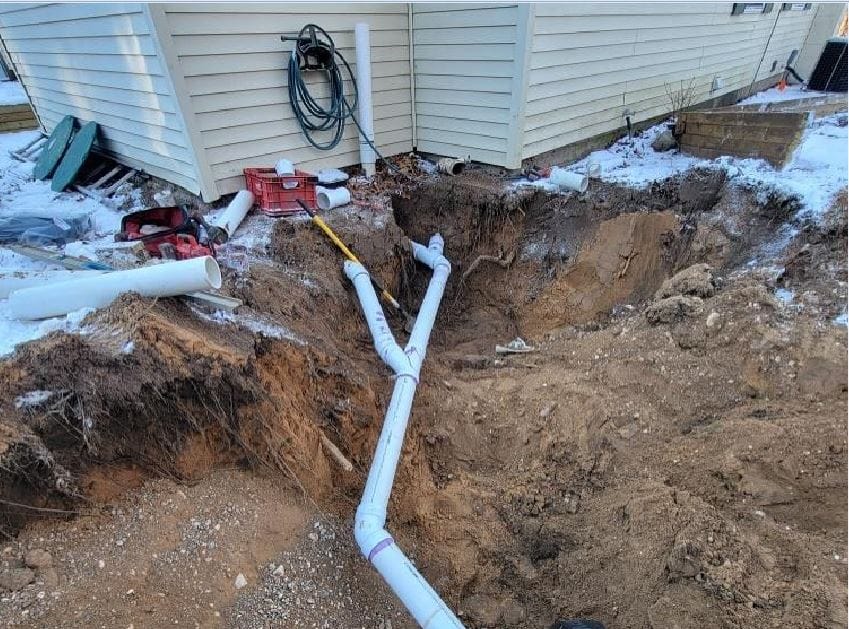
Your septic system is a silent workhorse, efficiently treating household wastewater. As a homeowner, you’re likely aware that what goes down your drains impacts this delicate ecosystem. A common question that arises is: Can you use bleach in a septic system?
The short answer is yes, but with extreme caution and in strict moderation. Using bleach carelessly is one of the fastest ways to disrupt the biological balance essential for your septic tank’s function.
This article will dive deep into the science behind your septic system, how bleach affects it, and provide clear, actionable guidelines to keep your system healthy without sacrificing cleanliness.
Understanding Your Septic System’s Delicate Ecosystem
To understand why bleach is a concern, you must first understand how a septic system works. A conventional system isn’t just a holding tank; it’s a miniature wastewater treatment plant.
- The Septic Tank: Here, wastewater separates into three layers. Solids (sludge) sink to the bottom, oils and grease (scum) float to the top, and the relatively clear liquid (effluent) in the middle flows out to the drain field.
- The Magic Ingredient: Bacteria: This entire process is powered by billions of anaerobic bacteria. These “good” microbes naturally digest and break down the solid waste, preventing the tank from filling up too quickly. Without them, the sludge layer would rapidly accumulate, leading to costly pumping and potential system failure.
As one septic system professional puts it:
“Think of your septic tank as a living, breathing entity. The bacteria are its immune system. When you pour harsh chemicals like bleach down the drain, you’re essentially giving your system a dose of antibiotics it doesn’t need.”
— Mark Jenkins, Certified Septic Inspector
How Bleach Affects Your Septic Tank
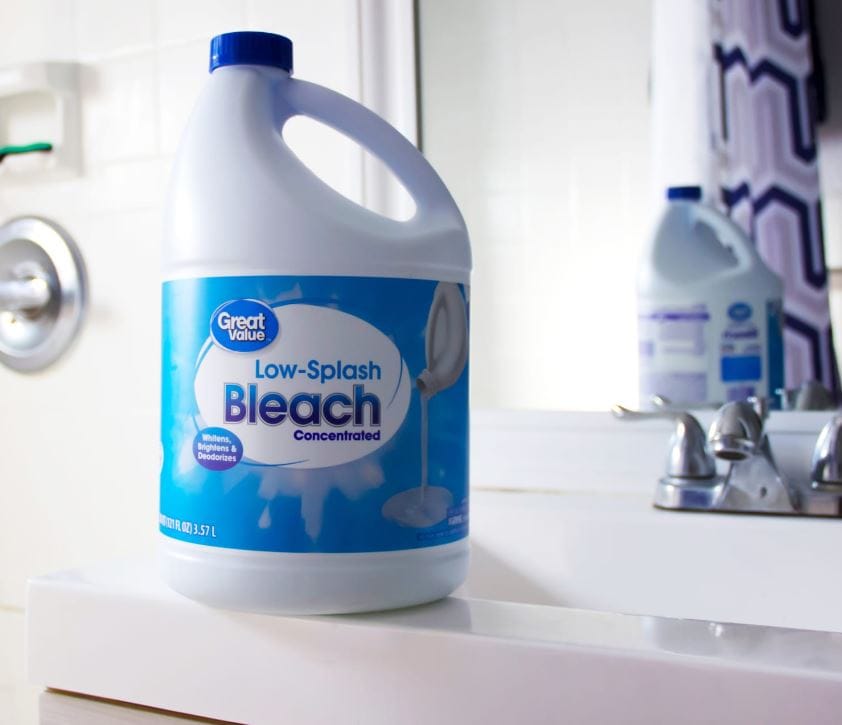
Chlorine bleach (sodium hypochlorite) is a powerful disinfectant designed to kill germs. Unfortunately, it doesn’t discriminate between harmful pathogens and the beneficial bacteria in your septic tank.
When a large volume of bleach enters the tank, it can:
- Kill Essential Bacteria: A significant bleach shock can wipe out a large portion of the bacterial population.
- Disrupt Waste Breakdown: With fewer bacteria, the digestion of solids slows down or stops.
- Lead to System Problems: This can cause the sludge layer to build up faster, leading to more frequent pumping needs, clogged pipes, and drain field failure.
The Dos and Don’ts: A Practical Guide
The key to using bleach with a septic system is dilution and moderation. A small, diluted amount introduced gradually gives the bacterial colony a chance to adapt and recover.
✅ What’s Generally Safe (In Moderation)
- Normal Laundry Loads: Using a moderate amount of chlorine bleach (e.g., 1/4 to 1/3 cup) in a full laundry load is typically fine. The large volume of water dilutes the bleach significantly before it reaches the tank.
- Occasional Toilet Cleaning: Cleaning a toilet with a half-cup of diluted bleach once a week is unlikely to cause harm. Avoid letting it sit for hours; flush soon after cleaning.
❌ What to Avoid
- “Bleach Shocks” or Clean-ups: Never pour leftover bleach or large quantities (like a full gallon) down the drain to clean it or after a project.
- Automatic Toilet Cleaners: Those tablets that sit in your toilet tank and release bleach with every flush are a constant, low-dose threat to your bacteria. Avoid these at all costs.
- Excessive Use: Using bleach in every laundry load and for all household cleaning creates a cumulative toxic effect.
Safer Alternatives to Harsh Bleach
For daily and weekly cleaning, consider these septic-safe alternatives that are effective without harming your system.
| Product Type | How It Helps | Best For |
|---|---|---|
| Oxygen-Based Bleach | Breaks down stains using oxidation, not harsh chemicals. Safe for bacteria. | Laundry stain removal, general cleaning, whitening whites. |
| Distilled White Vinegar | A natural acid that cuts grease and disinfects surfaces. | Glass cleaning, deodorizing, descaling faucets and showerheads. |
| Baking Soda | A mild abrasive that deodorizes and cleans. | Scrubbing surfaces, scouring pots, and absorbing odors. |
| Septic-Safe Cleaners | Formulated without antibacterial agents or harsh chemicals. | All-purpose cleaning, bathroom scrubbing, floor mopping. |
Proactive Maintenance: Beyond Just Avoiding Bleach
Protecting your septic system involves more than just watching your bleach use. Here are key habits to adopt:
- Use Bacterial Additives: Periodically using a septic tank treatment that contains beneficial bacteria and enzymes can help boost your system’s natural digestion process, especially after a potential chemical disturbance.
- Spread Out Water Usage: Avoid doing multiple loads of laundry back-to-back. This gives the tank time to process the water and chemicals without being overwhelmed.
- Pump Regularly: The EPA recommends having your septic tank pumped every 3-5 years, depending on household size and usage. This removes the accumulated sludge that bacteria can’t break down.
The Bottom Line: A Question of Balance
So, can you use bleach in a septic system? Yes, but sparingly and wisely. The occasional, diluted use for laundry or cleaning is acceptable for most well-maintained systems. However, making bleach a staple of your cleaning routine poses a significant risk to the microbial life that keeps your system running.
By understanding the science, adopting safer alternatives for daily use, and committing to regular maintenance, you can ensure your septic system remains healthy and functional for years to come. When in doubt, remember the golden rule: what’s gentle for the bacteria is good for your septic system.