Can You Dry Viscose in a Dryer? The Ultimate Care Guide
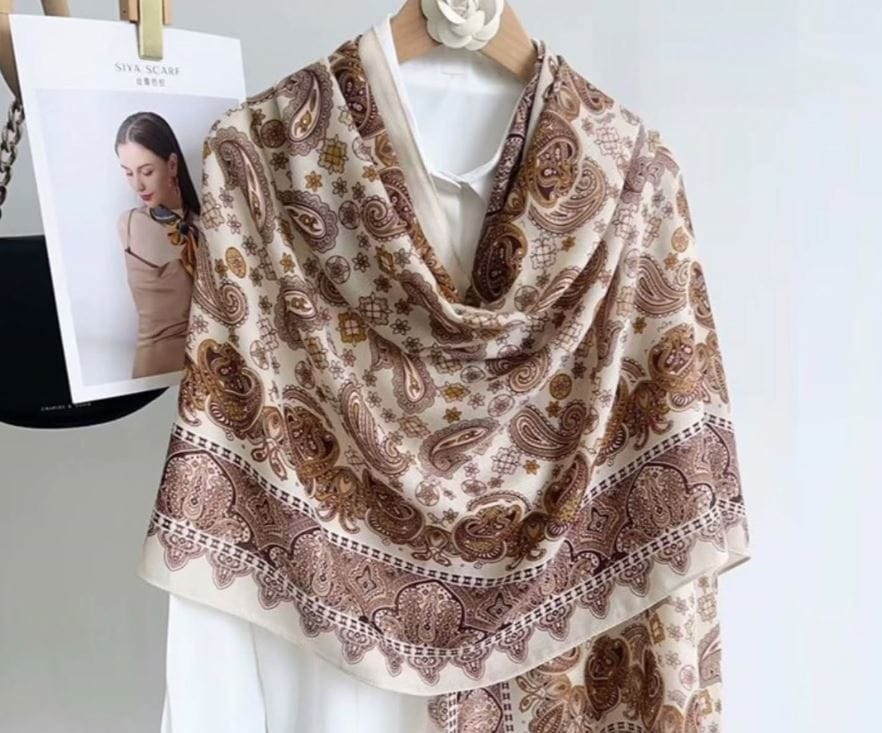
Viscose, also known as rayon, is a beloved fabric for its silky feel, beautiful drape, and breathability. It’s a staple in many wardrobes, found in everything from flowy blouses to elegant dresses. But when it comes to laundry day, a critical question arises: Can you dry viscose in a dryer?
The short and definitive answer is no, it is not recommended. While it might survive a single cycle, repeatedly machine-drying viscose is a recipe for shrinkage, damage, and ruined clothing.
This guide will explain exactly why the dryer is viscose’s enemy and provide you with safe, effective alternatives to keep your favorite garments looking brand new.
Why Your Dryer is a Danger to Viscose
To understand why the dryer is so harmful, you need to understand what viscose is. Despite being derived from natural wood pulp, viscose is a semi-synthetic fiber. These fibers are highly absorbent and delicate, especially when wet.
“Viscose fibers swell with water and become significantly weaker in this state,” explains Sarah James, a textile care specialist. “The intense heat and tumbling action of a dryer put immense stress on these vulnerable fibers, leading to irreversible damage.”
The primary risks of putting viscose in the dryer are:
- Significant Shrinkage: This is the most common outcome. The heat causes the fibers to contract violently. A dress that once fit perfectly can easily become a top after a trip through the dryer.
- Loss of Shape and Stretching: The brutal tumbling can stretch the fabric out of shape, especially in heavier, wet garments like sweaters.
- Fabric Hardening: High heat can bake the fibers, making them stiff, rough, and unpleasant to the touch, completely destroying the soft, silky quality you love.
- Pilling and Wear: The friction from tumbling against other clothes can cause the surface of the fabric to pill and wear down prematurely.
Viscose Care: A Side-by-Side Comparison
The best way to visualize the correct way to handle viscose is to compare the right and wrong methods.
| Care Aspect | Not Recommended (Risky) | Recommended (Safe) |
|---|---|---|
| Washing | Agitating in a warm/hot cycle. | Hand wash in cold water or use the delicate/gentle cycle with cold water. |
| Drying | Tumble drying with heat. This is the primary cause of shrinkage. | Air drying flat is best. You can also hang dry, but avoid direct sunlight. |
| Ironing | Using a high heat setting directly on the fabric. | Use a low heat setting and always iron the garment inside out or with a pressing cloth. |
| Result | Shrunken, misshapen, stiff, and damaged clothing. | Garments that retain their size, softness, and shape for years. |
The Right Way to Dry Viscose: Step-by-Step
Following the correct drying procedure is the single most important step in preserving your viscose clothing.
- Gentle Washing: Always start with a gentle wash. After washing, never wring out your viscose garment. Wringing twists and stretches the weak, wet fibers.
- Remove Excess Water: Lay the garment flat on a clean, dry towel. Roll the towel up with the garment inside, pressing gently as you go. This will absorb a large amount of water without causing stress.
- Reshape: Lay the garment on a fresh, dry towel or a mesh drying rack. Gently smooth it out and reshape it to its original dimensions. Pay attention to the neckline, sleeves, and length.
- Air Dry Flat: Allowing it to dry flat is the gold standard. This prevents any stretching that can occur from hanging, especially with heavier items like sweaters.
- Alternative: Hang Drying: For lighter items like blouses, you can hang them on a padded hanger. Ensure the location is well-ventilated and away from direct sunlight or heat sources to prevent color fading.
What If You Really Need to Use the Dryer?
There is one very specific exception: the “No Heat” or “Air Fluff” setting.
This setting uses only room-temperature air and gentle tumbling, with no heat. If you are in a pinch, you can use this cycle for 5-10 minutes to help remove wrinkles and dampness before laying the item flat to finish drying.
A word of caution: Even on a no-heat setting, the tumbling action still poses a minor risk of stretching or friction damage. It should be used sparingly and never as a replacement for air drying.
Final Verdict and Pro Tip
So, can you dry viscose in a dryer? Avoid it at all costs. The convenience of a quick dryer cycle is not worth the high probability of ruining a beautiful piece of clothing.
“The longevity of viscose entirely depends on post-wash care,” reminds James. “A few extra hours of air-drying time is a small price to pay for keeping your investment pieces looking elegant and new season after season.”
Always make it a habit to check the care label first. It is your most reliable guide. But when in doubt, remember this simple rule: when it comes to viscose, heat is the enemy, and air is its best friend.