Can Windex Kill Bugs? The Surprising Truth Unveiled

It’s a scene played out in many households: a spider scuttles across the floor, and the nearest line of defense isn’t a shoe or a rolled-up newspaper, but a bottle of blue glass cleaner. The question is, does this common hack actually work? Can Windex kill bugs?
The short answer is yes, Windex can kill some bugs, but it is not a reliable or recommended insecticide. Its effectiveness varies dramatically depending on the type of bug, and it comes with significant limitations.
How Does Windex Affect Insects?
To understand why Windex works (when it does), we need to look at its chemical composition. While the exact formula is proprietary, the primary active ingredients in most Windex varieties are:
- Surfactants (e.g., Ammonia): These are soap-like compounds designed to break down grease and grime on glass. They also work to break down the protective waxy coating on an insect’s exoskeleton. This coating is critical for the bug, as it prevents water loss. By dissolving this layer, Windex causes the insect to dehydrate rapidly.
- Solvents (e.g., Isopropanol): These liquids help the solution dry quickly. In high concentrations, they can be directly toxic to a bug’s nervous system.
The method of application is also a key factor. A direct, drenching spray can clog the spiracles—the tiny holes on the side of an insect’s body through which it breathes. This can lead to suffocation.
As one entomologist succinctly put it:
“Windex doesn’t kill bugs with a specific poison; it kills them by breaking down their physical defenses and drowning them from the inside out. It’s a physical, not a chemical, attack.”
Bug-by-Bug Breakdown: Which Pests Does Windex Kill?
Not all insects are created equal. Their size, respiratory system, and exoskeleton strength determine their vulnerability to Windex.
Highly Susceptible Bugs
- Ants: Very effective. Their small size means a quick spray is often fatal.
- Flies (House Flies, Gnats): Quite effective. The spray can gum up their wings and breathing apparatus, knocking them out of the air and killing them shortly after.
- Mosquitoes: Effective if hit directly. It can disable their wings and lead to a quick death.
Moderately to Less Susceptible Bugs
- Spiders: Results are mixed. Smaller spiders may be killed, especially by suffocation. Larger spiders, however, can often survive a direct spray and may simply be stunned or slowed down, requiring a follow-up “attack.”
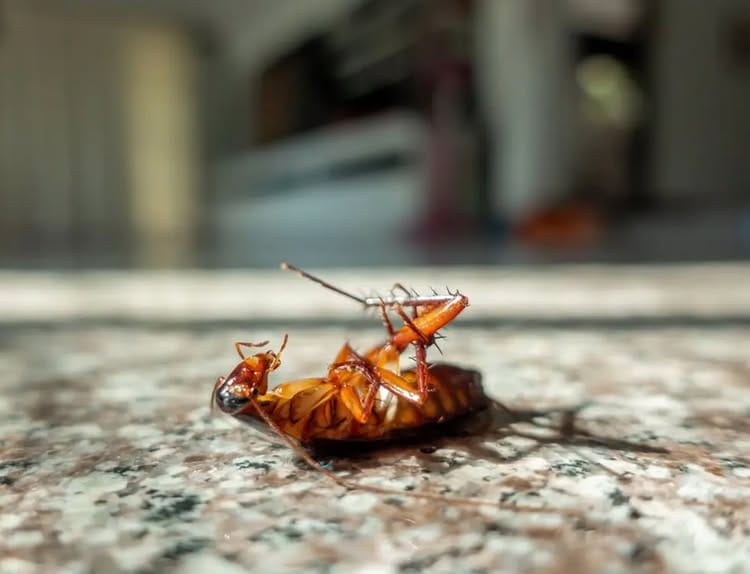
- Cockroaches: Largely ineffective. Roaches are notoriously resilient. They can hold their breath for a long time and have a robust exoskeleton. A shot of Windex will annoy them and make them scurry away, but it is unlikely to kill them.
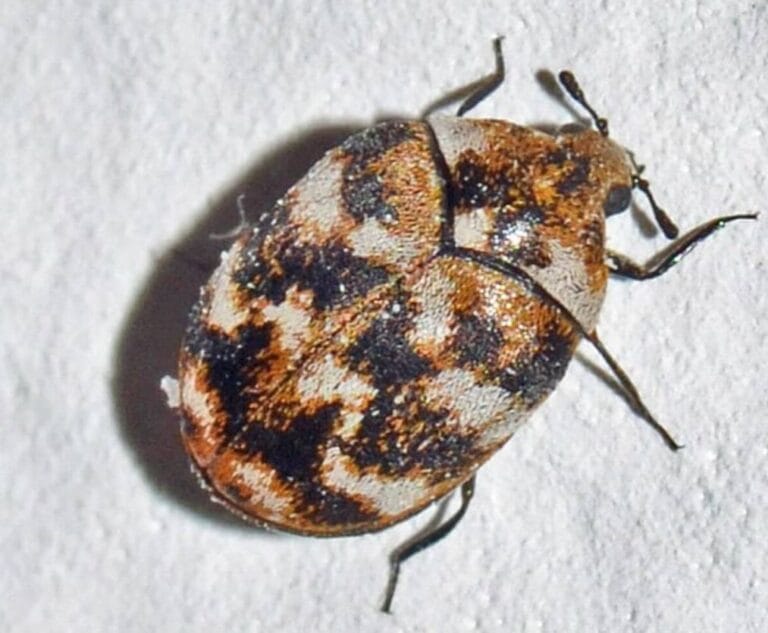
- Bed Bugs: Ineffective. Their flat, hardy bodies are resistant to this type of surface-level chemical attack.
- Wasps & Bees: Dangerous and ineffective. Spraying a wasp nest or a bee with Windex will only anger them, putting you at high risk of being stung. It will not kill them quickly enough to be a viable solution.
Windex vs. Actual Insecticide: A Head-to-Head Comparison
Let’s compare Windex to a typical pyrethrin-based insecticide spray to see why one is a household chemical and the other is designed for pest control.
| Feature | Windex (Glass Cleaner) | Dedicated Insecticide Spray |
|---|---|---|
| Primary Purpose | Cleaning glass surfaces | Killing insects |
| Active Ingredients | Surfactants, Ammonia, Alcohol | Pyrethrins, Pyrethroids |
| Mode of Action | Suffocation, dissolving exoskeleton | Neurotoxin (attacks nervous system) |
| Speed of Kill | Slow (minutes to hours) | Fast (seconds to minutes) |
| Residual Effect | None (evaporates cleanly) | Yes (continues to kill for days) |
| Safety for Pets/Humans | Generally safe once dry | Requires caution, keep area ventilated |
| Effectiveness on Roaches | Poor | Excellent |
The Major Drawbacks of Using Windex as a Bug Killer
While it might be tempting in a pinch, using Windex for pest control has several significant downsides.
- No Residual Effect: Windex evaporates and leaves no toxic residue. This means it will not prevent other bugs from entering the area. A dedicated insecticide continues to work long after you’ve sprayed it.
- Inefficiency: It often requires a direct, drenching hit to be effective, which can use up a lot of product. This is neither cost-effective nor practical for an infestation.
- Can Be a Hazard: Spraying Windex near electrical outlets, on certain surfaces, or in the air can create a slipping hazard or damage materials. Angering stinging insects is a serious safety risk.
- It’s Not What It’s Designed For: Using a product contrary to its label is never the most effective strategy.
The Final Verdict: Should You Reach for the Windex?
So, can Windex kill bugs? Yes, it can dispatch small, soft-bodied insects like ants, flies, and mosquitoes. For a lone ant on your counter or a fly on the window, it can be a convenient, if somewhat expensive, solution.
However, you should never rely on Windex as a serious pest control method. It is completely inadequate for dealing with resilient pests like cockroaches or any kind of infestation. For those problems, a proper insecticide, used according to the label directions, is the only effective choice.
Key Takeaway: Windex is a better glass cleaner than it is a bug killer. Keep it for your windows and mirrors, and invest in the right tool for the job when it comes to pest control.