Can I Use Windex on My Car? The Surprising Truth
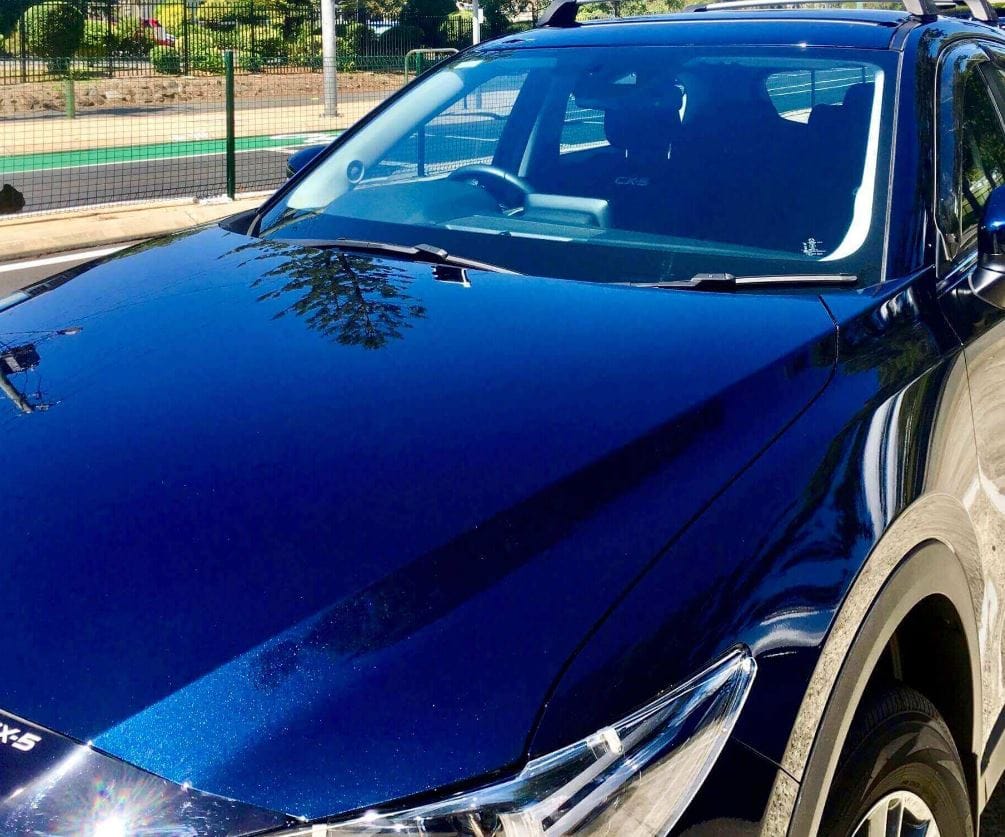
You’ve got a bottle of Windex in the garage and a dirty car in the driveway. It’s tempting to grab the blue spray for a quick clean, especially on the windows and mirrors. But before you do, it’s crucial to ask: Is Windex safe for your car?
The short answer is no, you should not use Windex on your car’s exterior surfaces. While it might seem like a convenient glass cleaner, its chemical composition can cause significant and costly damage to your vehicle’s paint, trim, and interior.
Why Windex is a No-Go for Your Car’s Paint
Windex and other household glass cleaners are formulated for a single purpose: to clean glass without leaving streaks. To achieve this, they contain powerful chemicals that are far too harsh for your car’s delicate clear coat and painted surfaces.
The primary culprits are ammonia and alcohol. These are excellent degreasers for windows but act as solvents on automotive surfaces.
Quote from a Detailer: “Ammonia is one of the worst things you can put on a car. It dries out plastics, rubber, and even breaks down the polymers in your clear coat over time, leading to premature fading and oxidation.” – Mike Sanchez, Professional Auto Detailer.
Using Windex on your paint will strip away any protective wax or sealant, leaving the clear coat exposed and vulnerable to UV rays, dirt, and contaminants. This can quickly lead to a dull, swirled, and damaged finish.
The Dangers of Using Windex on Car Windows
You might be thinking, “Well, at least it’s safe for the glass, right?” Surprisingly, the answer is more nuanced.
The Risk to Tinted Windows
If your car has any form of window tinting (especially the common dyed film), Windex is a definitive enemy. The ammonia in Windex will react with the tint film, causing it to fade, turn purple, and bubble. This reaction permanently ruins the tint, requiring a costly replacement.
The Risk to Rear Defrosters
Many rear windows have delicate grid lines for defrosting. The harsh chemicals in ammonia-based cleaners can corrode and damage these thin wires over time, leading to malfunctions in your defroster system.
What About the Car’s Interior?
The dangers of Windex extend inside your vehicle. Using it on your dashboard, touchscreen, or other vinyl and plastic surfaces is a bad idea.
- Plastics and Vinyl: Ammonia and alcohol are drying agents. They will leach the plasticizers out of your dashboard and trim, causing them to become brittle, faded, and crack over time.
- Touchscreen Displays: Modern infotainment screens often have anti-glare or oleophobic coatings. Windex will strip these coatings away, leaving your screen prone to fingerprints and scratches.
The Safe Alternatives: What to Use Instead
Now that we know what to avoid, let’s look at the professional-grade, safe alternatives for every part of your car.
For Exterior Paint and Body
Invest in a high-quality pH-neutral car wash shampoo. These are specifically formulated to lift dirt without stripping wax or damaging the clear coat.
For Windows and Mirrors (Safe for Tint)
Use an ammonia-free automotive glass cleaner. These are readily available at any auto parts store and are specifically designed to be safe for tint and defroster lines.
For Interior Surfaces
A dedicated interior detailer is your best bet. These products clean while leaving a UV-protective layer that helps prevent fading and cracking. For touchscreens, use a microfiber cloth lightly dampened with water or a screen cleaner specifically made for automotive displays.
Windex vs. Automotive Products: A Quick Comparison Table
| Feature | Household Windex | Automotive Glass Cleaner | Car Wash Shampoo |
|---|---|---|---|
| Ammonia Content | High | None | None |
| Safe for Car Paint? | ❌ No, strips wax & damages clear coat | ❌ Not intended for paint | ✅ Yes, pH-neutral & gentle |
| Safe for Window Tint? | ❌ No, causes fading & bubbling | ✅ Yes, specifically formulated for it | ❌ Not intended for glass |
| Safe for Interior Plastics? | ❌ No, dries out and cracks surfaces | ⚠️ Check label, but not ideal | ❌ Not intended for interior |
| Primary Use | Household Glass | Automotive Glass & Tint | Automotive Paint & Body |
The Final Verdict
While the convenience of Windex is alluring, the potential for long-term damage to your car’s paint, tint, and interior is simply not worth the risk. The chemicals that make it so effective on your home windows are the same ones that will degrade your vehicle’s surfaces.
Stick to products engineered for automobiles. The small investment in proper car care supplies will pay dividends by protecting your vehicle’s value and appearance for years to come. Leave the Windex for the house, and give your car the specialized care it deserves.