Can Fibroids Cause Odor? Understanding the Link and Finding Relief
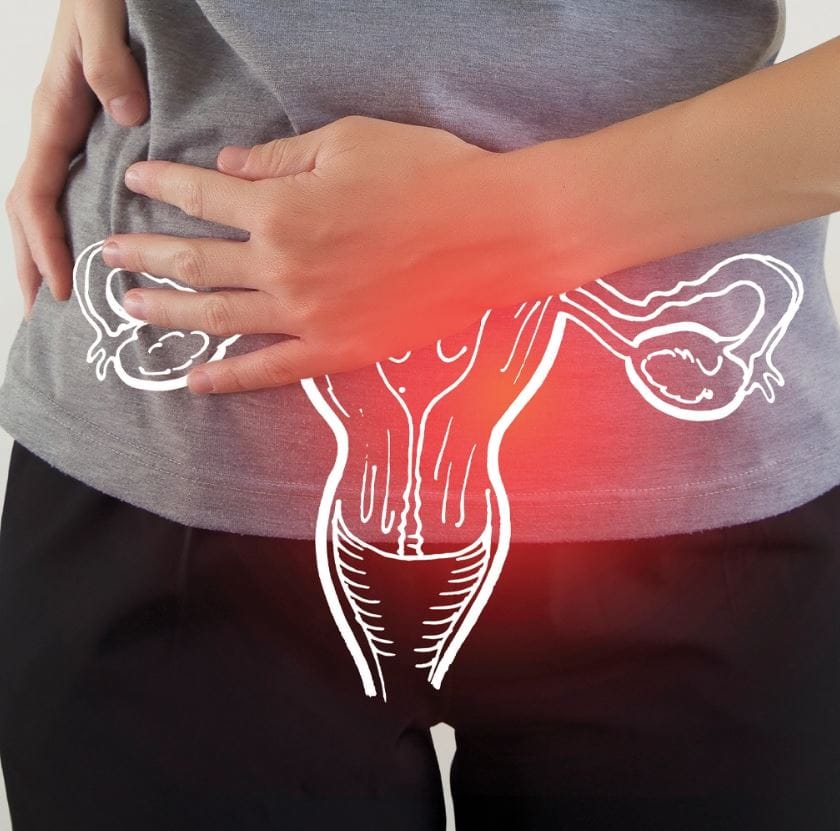
Uterine fibroids are a common health concern, affecting up to 80% of women by age 50. While symptoms like heavy bleeding, pelvic pain, and bloating are widely discussed, many women wonder about less common signs, such as unusual odors. This article explores the direct and indirect connections between uterine fibroids and vaginal odor, providing expert insights and actionable guidance.
The Direct Link: Fibroids Themselves Are Typically Odorless
First, it’s crucial to understand a key medical fact: fibroid tumors themselves are non-cancerous growths made of muscle and fibrous tissue, and they do not inherently produce an odor.
As Dr. Linda Bradley, a gynecologist at the Cleveland Clinic, notes:
“The fibroid tissue is internal and typically sterile. The odor women may experience is almost always a secondary effect, caused by fibroid-related changes in the uterine environment or menstrual flow.”
Therefore, a noticeable odor is not a symptom of the fibroid’s presence itself but rather a potential consequence of complications or related conditions.
How Fibroids Can Indirectly Lead to Unpleasant Odors
Fibroids can create conditions that result in odor through several mechanisms. The table below summarizes the primary pathways:
| Mechanism | How It Happens | Associated Odor Type |
|---|---|---|
| Infection & Necrosis | Large fibroids can outgrow blood supply, causing tissue death (necrosis). This decaying tissue can become infected. | Foul, putrid, or rotten smell. Often accompanied by fever and pain. |
| Prolonged/Heavy Bleeding | Submucosal fibroids distort the uterine lining, leading to prolonged menstrual or spotting between periods. Blood breakdown causes odor. | Metallic, “iron-like,” or generally strong menstrual odor. |
| Fibroid Expulsion | A pedunculated submucosal fibroid can detach and pass through the cervix, a process that can cause discharge and infection. | Severely foul, often with tissue discharge and intense cramping. |
| Bacterial Imbalance | Constant spotting or heavy bleeding alters vaginal pH, disrupting healthy bacteria and allowing overgrowth of anaerobic bacteria. | Fishy odor (suggestive of bacterial vaginosis). |
| Cervical Obstruction | Large fibroids can block the cervix, trapping menstrual blood or fluid in the uterus (hematometra), which can become infected. | Old, stale blood odor potentially progressing to foul infection smell. |
Key Warning Signs: When to See a Doctor
While a mild menstrual odor is normal, certain symptoms paired with odor warrant prompt medical evaluation:
- Foul, rotten, or persistent fishy odor that doesn’t resolve with hygiene.
- Odor accompanied by fever, chills, or severe pelvic pain.
- Heavy bleeding (soaking a pad/tampon in under an hour).
- Passing large clots or what appears as grayish tissue.
- Odor with vaginal discharge that is yellow, green, or gray.
Obstetrician-gynecologist Dr. Jane Smith advises:
“Never ignore a sudden, severe change in odor or discharge. It’s your body signaling that something is off. In the context of known fibroids, it could indicate a complication like infection or degeneration that needs treatment.”
Diagnosis and Treatment: Addressing the Root Cause
If you experience odor and have fibroids, your doctor will work to identify the specific cause.
- Diagnosis: This typically involves a pelvic exam, ultrasound (to visualize fibroids and check for trapped fluid), and possibly swabs to test for bacterial vaginosis (BV) or other infections.
- Treatment: The approach targets the underlying issue:
- For Infection: Antibiotics are prescribed.
- For Necrosis/Degeneration: Pain management and monitoring; sometimes surgery is needed if severe.
- For BV: Prescription or OTC antimicrobial gels.
- For Fibroids Causing Symptoms: Long-term management may include hormonal therapies (like IUDs or birth control pills) or procedural options (Uterine Fibroid Embolization, myomectomy, or hysterectomy).
Managing Odor and Supporting Vaginal Health
While medical treatment is essential, these practices can help manage odor and promote comfort:
- Practice Gentle Hygiene: Use mild, unscented soap and water externally only. Avoid douching, which disrupts natural pH.
- Stay Dry & Breathable: Wear cotton underwear and change out of sweaty workout clothes or wet swimsuits promptly.
- Manage Menstrual Flow: Change pads, tampons, or menstrual cups frequently during heavy bleeding.
- Stay Hydrated: Drinking water can help dilute bodily fluids, including menstrual blood.
- Consider Probiotics: Some studies suggest oral or vaginal probiotics can help maintain healthy vaginal flora.
Conclusion: A Symptom Not to Ignore
So, can fibroids cause odor? Not directly, but they are a significant indirect cause. Fibroids can create secondary conditions—like infection, prolonged bleeding, or bacterial imbalance—that lead to noticeable and sometimes severe odors. This odor is a valuable signal from your body that should not be dismissed.
If you have fibroids and notice a new or worsening odor, consult your gynecologist. Proper diagnosis will determine if the cause is an infection, fibroid degeneration, or another related issue, allowing you to receive targeted treatment and find effective relief. By addressing the root fibroid-related problem, you can resolve the odor and improve your overall gynecological health and quality of life.