Bleach vs. Vinegar for Your AC Drain Line: The Definitive Guide
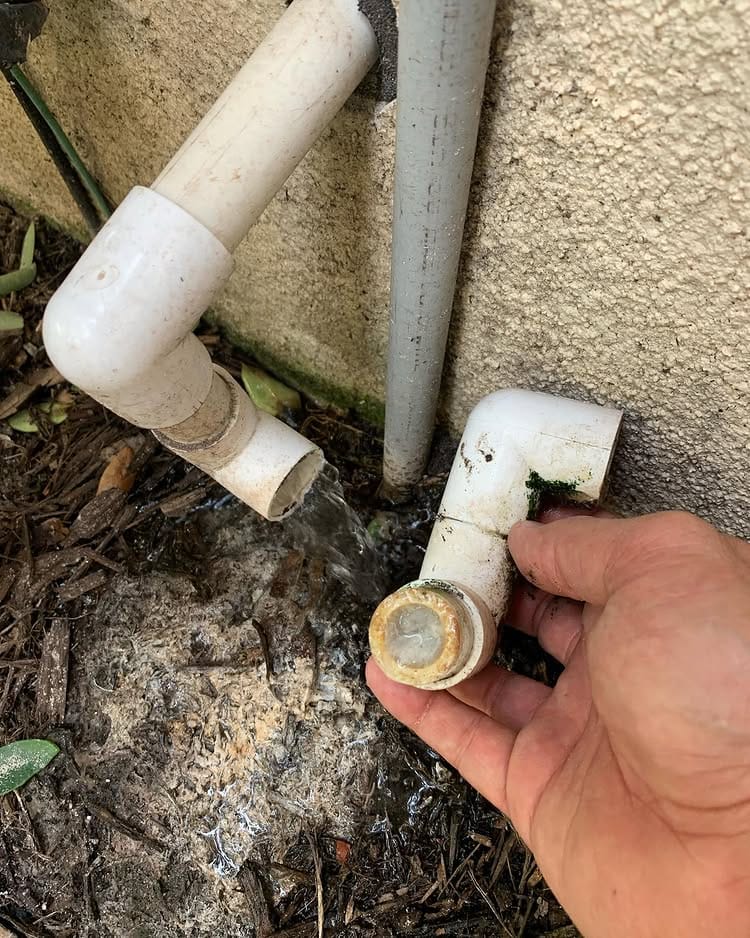
A clogged AC drain line is a homeowner’s nightmare, often leading to water damage, mold growth, and a complete shutdown of your air conditioning system. To prevent this, a common piece of maintenance advice is to periodically clean the drain line. But what should you use? The debate often comes down to two household staples: bleach and vinegar.
So, which one is the right choice for your HVAC system? The answer isn’t as simple as you might think. Using the wrong chemical can damage your system and create more problems than it solves. This guide will break down the science, the risks, and the best practices to keep your AC drain line flowing freely.
Understanding the AC Drain Line and Why It Clogs
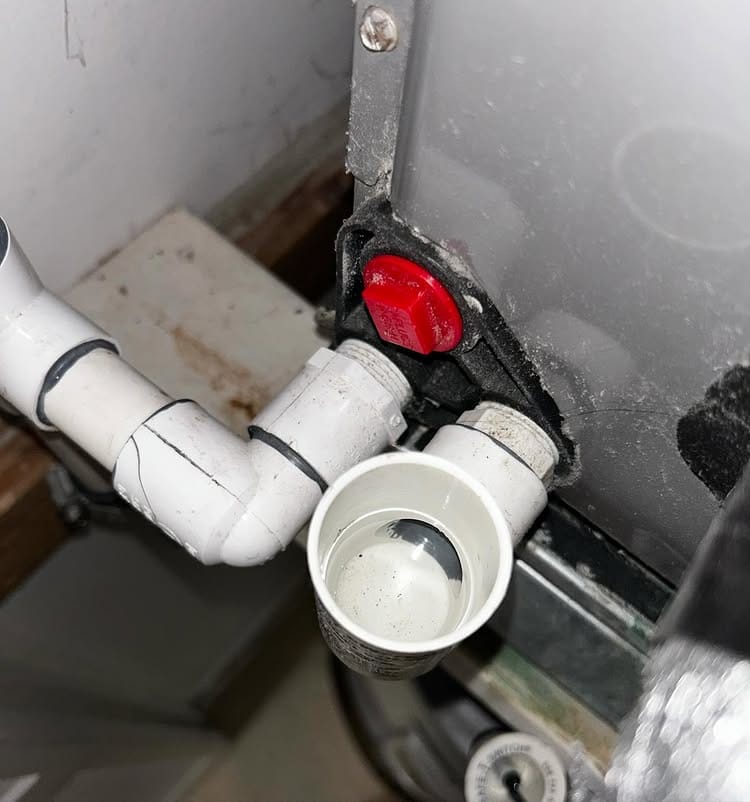
Your air conditioner doesn’t just cool the air; it also dehumidifies it. This process pulls moisture from the air, which condenses on the evaporator coils and drips into a drain pan. This water then flows through a PVC pipe—the condensate drain line—and out of your home.
Over time, this dark, damp environment becomes a breeding ground for algae, slime, and mold. This biological growth is the primary cause of clogs, which can lead to:
- Water leakage from the indoor air handler unit.
- Potential water damage to ceilings, walls, and floors.
- Musty odors circulating through your ducts.
- System shutdown, as many modern AC units have a safety switch that turns off the unit if a clog is detected.
The Case for Bleach: Powerful but Harsh
Chlorine bleach is a powerful disinfectant and oxidizer. It’s highly effective at killing the organic growth inside your drain line.
Pros of Using Bleach:
- Highly Effective: It quickly and thoroughly kills algae, mold, and bacteria.
- Widely Available: A common household item.
Cons and Significant Risks of Using Bleach:
- Corrosive Damage: Bleach is corrosive to metals. Over time, it can damage your evaporator coils (which are often copper) and the metal drain pan, leading to pinhole leaks and costly repairs.
- PVC Deterioration: While PVC is generally resistant, repeated, undiluted use of bleach can make the plastic brittle and weak over many years.
- Fume Hazard: Pouring bleach into the drain line can release harmful chlorine fumes into your ductwork and living space, which is a health concern.
- Environmental Impact: The bleach eventually exits your home, entering the ground or sewer system.
Expert Quote: “While bleach is a potent biocide, its corrosive nature is a major concern for HVAC systems. I’ve seen countless evaporator coils with pinhole leaks accelerated by the regular use of bleach. The cost of a coil replacement far outweighs the convenience of a quick bleach clean.” – Michael R., HVAC Technician with 15 years of experience.
The Case for Vinegar: The Safer, Eco-Friendly Alternative
White vinegar (acetic acid) is a natural disinfectant and a much milder acid than bleach. It’s a popular choice for those seeking a gentler, more eco-friendly solution.
Pros of Using Vinegar:
- Non-Toxic and Safe: It does not release dangerous fumes and is safe for children, pets, and the environment.
- Gentle on Components: Vinegar is much less likely to corrode metal components or damage PVC pipes.
- Effective Preventative Maintenance: It’s excellent at slowing down and preventing the biological growth that causes clogs.
Cons of Using Vinegar:
- Slower Acting: It requires a longer dwell time to be effective compared to bleach.
- Less Potent on Severe Clogs: For an already fully clogged line, vinegar may not be strong enough to break through the sludge.
Head-to-Head Comparison: Bleach vs. Vinegar
| Feature | Bleach | Vinegar |
|---|---|---|
| Effectiveness | Excellent at killing organic growth | Good for prevention and mild growth |
| Safety for Metals | Poor – Corrosive to coils and pans | Good – Much gentler and less corrosive |
| Safety for PVC | Fair (can weaken over time) | Excellent – Perfectly safe for PVC |
| Fume Hazard | High – Releases chlorine gas | None – No dangerous fumes |
| Environmental Impact | High – Harsh chemical runoff | Low – Biodegradable and non-toxic |
| Cost | Low | Low |
| Best Use Case | Not recommended by most pros | Recommended for routine, preventative maintenance |
The Verdict and a Step-by-Step Guide
For the vast majority of homeowners, vinegar is the clear winner for routine, preventative maintenance of your AC drain line. It provides a safe and effective way to prevent clogs without risking damage to your expensive HVAC system.
Reserve harsh chemicals like bleach for extreme circumstances, and even then, it’s often better to call a professional or use a dedicated HVAC drain line cleaner.
How to Clean Your AC Drain Line with Vinegar
Performing this simple maintenance task every 1-3 months during the cooling season can save you from a major headache.
What You’ll Need:
- 1 cup of distilled white vinegar
- A funnel
- A bucket or jug of water
Step-by-Step Instructions:
- Locate the Drain Line Access Point: Find the PVC drain line coming from your indoor air handler unit. You will typically see a vertical PVC pipe with a T-shaped vent or a capped opening—this is your access point.
- Pour the Vinegar: Carefully pour about 1 cup of undiluted white vinegar directly into the access point.
- Let it Sit: Allow the vinegar to sit in the line for 30 minutes. This dwell time is crucial for it to work on the algae and sludge.
- Flush the Line: After 30 minutes, flush the line with a generous amount of clean water. You can use a bucket or a garden hose connected to the opening. This will push any dislodged gunk out of the pipe.
- Check the Outdoor Outlet: Go outside and find where the drain line exits your home (usually near the foundation). You should see water flowing out freely, confirming the line is clear.
Conclusion
When it comes to maintaining your AC drain line, an ounce of prevention is worth a pound of cure. While both bleach and vinegar have their places, vinegar is the safer, smarter, and recommended choice for regular upkeep. By adopting a simple routine of pouring vinegar down the line every few months, you can effectively prevent clogs, protect your HVAC investment, and ensure your system runs smoothly all season long. Leave the harsh chemicals on the shelf and trust in the power of this simple, natural solution.