Best 9 House Cleaning Methods to Reduce Expenses and Avoid Debt

A clean and well-maintained home brings more than just peace of mind; it can also play a big part in keeping your finances steady. When you create simple habits that focus on organization, preventive care, and smart use of resources, you naturally save more over time. Clean living spaces not only feel good but also reduce unnecessary spending and the chances of financial stress.
Let’s look at some effective cleaning methods that can help you save more while building a calm, clutter-free home.
1. Declutter Regularly to Save Space and Time
Decluttering is one of the most powerful ways to simplify your life and reduce hidden expenses. When you clear out unused or forgotten items, you create more space and can easily find what you actually need. This small step prevents you from buying duplicates or wasting time searching for lost items. Many people find that decluttering also creates a sense of calm that makes home cleaning easier.
You can start by focusing on one section of your home at a time—maybe your wardrobe, kitchen shelves, or storage drawers. Donate or repurpose items that are in good condition instead of throwing them away. A clutter-free home helps you stay organized, improves productivity, and even lowers stress levels that often lead to unnecessary purchases.
2. Use Natural Cleaning Products for Daily Maintenance
Natural cleaning products are simple to make, safe to use, and help cut down on recurring expenses. Household ingredients like vinegar, lemon, and baking soda can handle most cleaning tasks with ease. They are gentle on surfaces, don’t leave chemical residues, and work perfectly for daily maintenance.
For example, vinegar mixed with water is ideal for cleaning windows and countertops, while baking soda helps keep sinks and bathroom tiles spotless. These homemade solutions are eco-friendly and affordable alternatives to multiple specialized products. Plus, they keep your home smelling fresh without harsh artificial scents.
3. Focus on Preventive Cleaning Habits
Cleaning a little each day can prevent larger messes and reduce the need for deep-cleaning sessions. Preventive cleaning habits include wiping down kitchen counters right after cooking, sweeping the floor daily, and washing dishes promptly. When you make these small habits part of your daily routine, your home stays consistently neat with less effort.
Preventive cleaning also keeps appliances, furniture, and surfaces in better shape, extending their lifespan. For instance, regularly dusting your electronics prevents overheating, while wiping wooden furniture maintains its shine for years. Maintaining cleanliness this way is a simple but powerful way to save money in the long run.
4. Reuse and Repurpose Old Items for Cleaning
Many everyday household items can be reused for cleaning instead of being thrown away. Old t-shirts can be cut into reusable rags, and glass jars can store homemade cleaning solutions. Even an old toothbrush can help scrub tight corners or grout lines effectively.
By reusing what you already have, you reduce waste and lower the cost of buying new cleaning tools. Repurposing also encourages creativity—you can turn unused containers into organizers or make small storage bins out of cardboard boxes. These small efforts help you save money while maintaining a tidy home.
5. Organize Smartly to Avoid Overspending
When your home is organized, you can clearly see what you own and what you actually need. Many people tend to buy duplicate items simply because they can’t find what they already have. Organizing your storage areas, kitchen pantry, and closets prevents this and helps you shop more intentionally.
Labeling containers, sorting clothes seasonally, and keeping cleaning supplies in designated spots make daily tasks faster and smoother. Having an organized home gives you more control over your resources, which in turn supports better financial habits.
Adding practical financial strategies like debt consolidation can also simplify your monthly planning. It combines multiple payments into one manageable plan, giving you more breathing room to focus on home upkeep and everyday comfort. Staying organized in both home and finances encourages a more balanced and peaceful lifestyle.
6. Maintain Appliances for Long-Term Savings
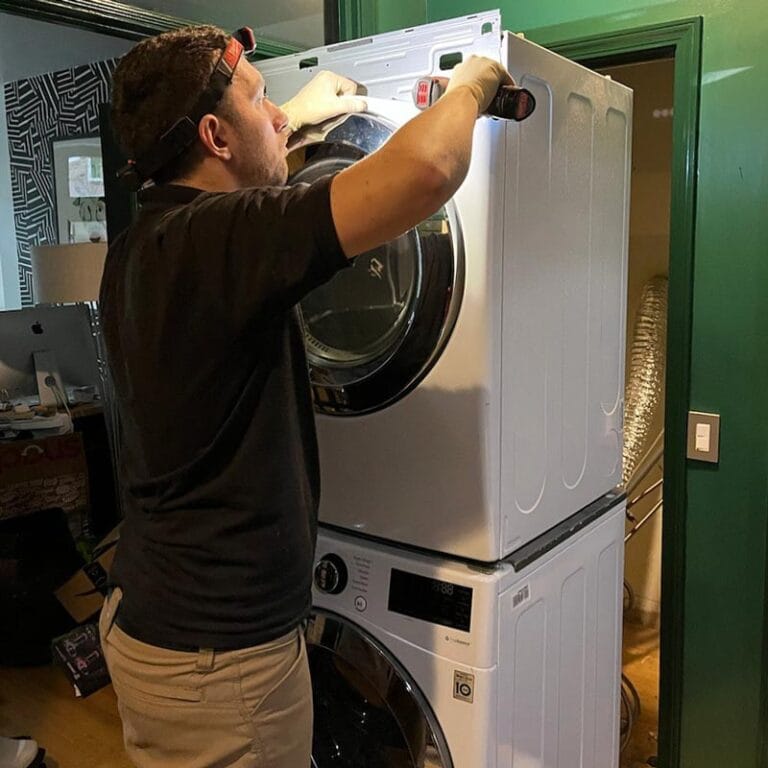
Home appliances are valuable investments, and keeping them in good condition helps you avoid repair or replacement costs. Cleaning refrigerator coils, washing machine filters, and vacuum cleaner bags regularly can extend their lifespan. Simple habits like not overloading washing machines or ensuring proper ventilation for appliances also maintain their efficiency.
When appliances run efficiently, they use less electricity and water, reducing your overall utility bills. Scheduling light maintenance once a month ensures they stay in top condition. This kind of care helps you get the most out of your investments while maintaining comfort at home.
7. Adopt Minimal Waste Practices in Cleaning
Reducing waste in your cleaning routine helps you save money and supports sustainable living. Instead of disposable products like paper towels, use microfiber cloths that can be washed and reused many times. Refillable spray bottles and long-lasting mop pads also help cut down on frequent purchases.
Minimal waste cleaning doesn’t just reduce expenses—it creates a home that feels more thoughtful and efficient. Using fewer, better-quality tools helps maintain consistency, and you’ll spend less time worrying about restocking supplies. Over time, you’ll notice that this simple practice supports both your household and your financial goals.
8. Plan a Seasonal Deep Clean
Doing a thorough deep clean every season keeps your home looking its best and helps identify maintenance needs early. It’s the perfect time to clean carpets, curtains, and storage spaces that are often overlooked. By doing this regularly, you maintain indoor air quality and extend the life of household items.
Seasonal cleaning also provides the opportunity to reorganize and refresh your space. You might find items you can donate or upcycle instead of storing unused things. Keeping a regular schedule for deep cleaning ensures your home always feels comfortable, organized, and efficient.
9. Create a Cleaning Routine That Fits Your Lifestyle
A consistent cleaning schedule keeps your home in good shape without feeling overwhelming. You can divide tasks by day or week—like doing laundry on Mondays, vacuuming on Wednesdays, and cleaning bathrooms on Saturdays. Having a plan keeps chores balanced and prevents last-minute stress.
The key is to create a rhythm that suits your routine and energy levels. Once you find your flow, cleaning becomes a natural part of your lifestyle. Over time, you’ll notice that small daily efforts result in a tidy, calm, and inviting space that stays clean with minimal effort.
The Connection Between Clean Living and Financial Health
Keeping a clean home has more benefits than most people realize, it directly supports better financial habits. When your environment is organized, your mind feels clearer, and decision-making becomes easier. You’re less likely to make impulsive purchases or forget bills and responsibilities.
Clean and organized living spaces also promote productivity and relaxation, both of which contribute to overall well-being. When you’re spending less time searching for things or cleaning up messes, you can focus on things that bring more value to your life.
Final Thoughts
Keeping your home clean and organized doesn’t have to be complicated—it’s about being intentional with small, meaningful actions. When you focus on smart cleaning habits, preventive care, and organized living, you create a space that supports financial freedom.
By practicing these nine cleaning methods, you’ll not only enjoy a cleaner home but also see the positive effects on your savings and overall peace of mind. Clean surroundings inspire clarity, comfort, and better control over your household budget, all important steps toward a debt-free and happy life.