How to Turn Wine into Vinegar: A Complete Guide to Acetification
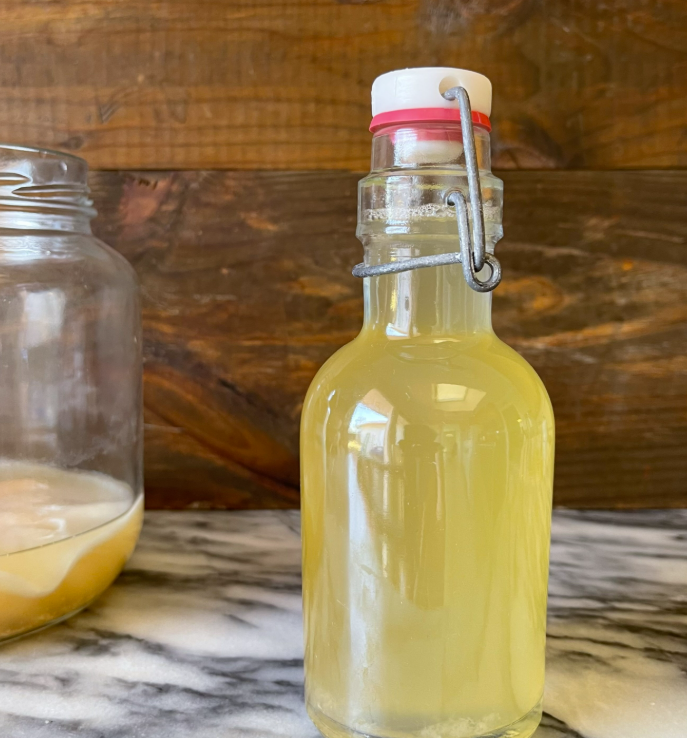
Turning wine into vinegar is a controlled biological process known as acetification, where acetic acid bacteria convert the ethanol in wine into acetic acid. This transformation, which occurs naturally when wine is exposed to air, can be deliberately guided to produce high-quality homemade vinegar with complex flavors that surpass most commercial options. Whether you are dealing with leftover wine or intentionally crafting artisanal vinegar, understanding the science and methods behind this process allows you to achieve consistent, delicious results.
The Science Behind Wine Turning into Vinegar
The conversion of wine to vinegar is a two-stage fermentation process. First, yeasts convert sugar into ethanol—this is the alcoholic fermentation that produces wine itself. The second stage, acetification, involves acetic acid bacteria (AAB) oxidizing ethanol into acetic acid in the presence of oxygen. This is why an open bottle of wine left on the counter will eventually turn sour: airborne acetic acid bacteria colonize the liquid and begin consuming the alcohol.
The bacteria responsible for this transformation primarily belong to the genera Acetobacter and Gluconobacter. These microorganisms require oxygen to function, making aeration a critical factor in vinegar production. Without adequate oxygen, the bacteria cannot efficiently convert ethanol to acetic acid, and undesirable anaerobic organisms may spoil the batch.
Commercially, vinegar is defined by its acetic acid concentration, typically ranging from 5% to 7% for wine vinegars. The process stops naturally when the alcohol is depleted or when the acetic acid concentration becomes high enough to inhibit bacterial activity, generally around 10%.
Methods for Making Wine Vinegar at Home
There are three primary approaches to home vinegar production, each suited to different skill levels and batch sizes.
The Traditional Orleans Method
This classic French method produces high-quality vinegar through a slow surface fermentation. Wine is placed in a wooden barrel or glass container with an opening covered by cheesecloth to allow air exchange while excluding dust and insects. A mother of vinegar—a gelatinous cellulose membrane containing acetic acid bacteria—is introduced or allowed to form naturally on the surface. The mother acts as a living culture that facilitates the conversion process.
The Orleans method requires patience, typically taking several weeks to several months for complete acetification. The resulting vinegar has complex, nuanced flavors that develop during the extended fermentation.
The Rapid Generator Method (Schützenbach Process)
For faster production, the rapid generator or Schützenbach process increases the surface area available for bacterial action by packing a tall vessel with beech wood shavings, corn cobs, or pumice stone. Wine is distributed over the top and trickles down through the packing material, which is coated with acetic acid bacteria. This method can complete acetification in days rather than months.
The rapid method is more efficient for larger batches but may produce vinegar with less complexity than the slow Orleans approach.
The Simple Jar Method
For beginners, the simplest approach involves combining wine with a starter culture in a glass jar, covering it with breathable fabric, and allowing it to ferment at room temperature. This method requires minimal equipment and produces excellent results for small batches.
Step-by-Step Guide to Making Wine Vinegar
Equipment and Ingredients
| Item | Specification | Purpose |
|---|---|---|
| Container | Glass jar, food-grade plastic, or wooden barrel | Fermentation vessel |
| Cover | Cheesecloth, muslin, or coffee filter | Allows air exchange while excluding contaminants |
| Starter culture | Mother of vinegar or unpasteurized apple cider vinegar | Introduces acetic acid bacteria |
| Wine | Dry red, white, or rosé wine | Base material for vinegar |
| Water | Chlorine-free | Dilutes alcohol to optimal concentration |
Preparation Steps
Begin with a clean container and fill it no more than two-thirds full with your wine. If using a strong wine, dilute with chlorine-free water to achieve an alcohol concentration of approximately 8-10% (v/v), as higher alcohol levels inhibit acetic acid bacteria. Add your starter culture—approximately one part mother or raw vinegar to four parts wine mixture.
Cover the container with breathable material secured with a rubber band. The fabric should prevent dust and insects from entering while allowing oxygen to reach the liquid surface.
Temperature and Environmental Conditions
Temperature significantly affects acetification speed and quality. The optimal range for acetic acid bacteria activity is between 80°F and 90°F (27°C–32°C). Below 50°F (10°C), bacterial activity ceases; above 95°F (35°C), the bacteria are destroyed.
Store the container in a dark place, as direct sunlight can degrade the vinegar quality. Avoid disturbing the vessel, as agitation can disrupt the bacterial film forming on the surface.
Comparison of Vinegar Production Methods
| Method | Time Required | Equipment Cost | Flavor Complexity | Best For |
|---|---|---|---|---|
| Orleans (Slow) | 3–6 months | Low to Moderate | High | Artisanal, small batches |
| Rapid Generator | 1–4 weeks | Moderate | Medium | Larger batches, faster results |
| Simple Jar | 3 weeks–6 months | Very Low | Medium-High | Beginners, households |
| Submerged Fermentation | Days | High | Low-Medium | Industrial production |
The submerged fermentation method, used industrially, involves aerating wine in a closed tank with a high concentration of acetic acid bacteria. While fast and efficient, this method produces vinegar with less aromatic complexity compared to traditional surface methods. Home producers generally achieve superior flavor by using one of the surface culture approaches.
Understanding the Vinegar Mother
The mother of vinegar is a cellulose-rich biofilm produced by acetic acid bacteria. It appears as a gelatinous, translucent disk or layer that forms on the surface of fermenting liquid. This structure serves several purposes: it concentrates bacteria at the air-liquid interface where oxygen is available, and it can be transferred to new batches to initiate fermentation.
A healthy mother will develop layers over time, and portions can be shared with others or saved for future batches. If you do not have access to a mother, you can use unpasteurized apple cider vinegar containing the mother as a starter culture.
Tips for Success and Common Pitfalls
Ensure adequate aeration. Acetic acid bacteria are strictly aerobic. Without sufficient oxygen, the process will stall or produce off-flavors. For barrel fermentation, drilling small holes in the barrel heads can increase air exchange.
Monitor sulfur dioxide levels. Commercial wines often contain SO₂, which inhibits acetic acid bacteria. For vinegar production, use wine with free SO₂ below 20 mg/L, or allow the wine to breathe for several hours before starting.
Avoid contamination. While vinegar fermentation is relatively forgiving, unwanted organisms can spoil the batch. Always use clean equipment and keep the container covered with breathable fabric.
Stop the process at the right time. Vinegar is complete when the alcohol has been converted and the acidity reaches your desired level, typically 5-7%. Taste periodically after the first few weeks to monitor progress. Once complete, transfer to airtight bottles to prevent further oxidation.
Do not use homemade vinegar for canning. Because the acidity of homemade vinegar can vary, it is not safe for canning applications, which require consistent, known acid levels.
Frequently Asked Questions
How long does it take to turn wine into vinegar?
Under optimal conditions (80-90°F), acetification can complete in 3-4 weeks. At cooler temperatures or with lower bacterial populations, the process may take 2-6 months.
Can I use any type of wine?
Yes, red, white, rosé, and fruit wines all work well. Dry wines with lower sugar content are preferable, as residual sugar can lead to off-flavors. Avoid wines with high preservative levels.
What is the difference between homemade and commercial vinegar?
Homemade vinegar typically has more complex, nuanced flavors because it undergoes slower fermentation and retains more of the wine’s aromatic compounds. Commercial vinegars are often pasteurized and filtered, which strips away some character.
How should I store finished vinegar?
Store in airtight glass bottles in a cool, dark place. Properly stored vinegar can last indefinitely, though quality may decline over several years. The mother can be saved to start new batches.