How to Get Carpet Cleaner Residue Out of Carpet: The Definitive Guide
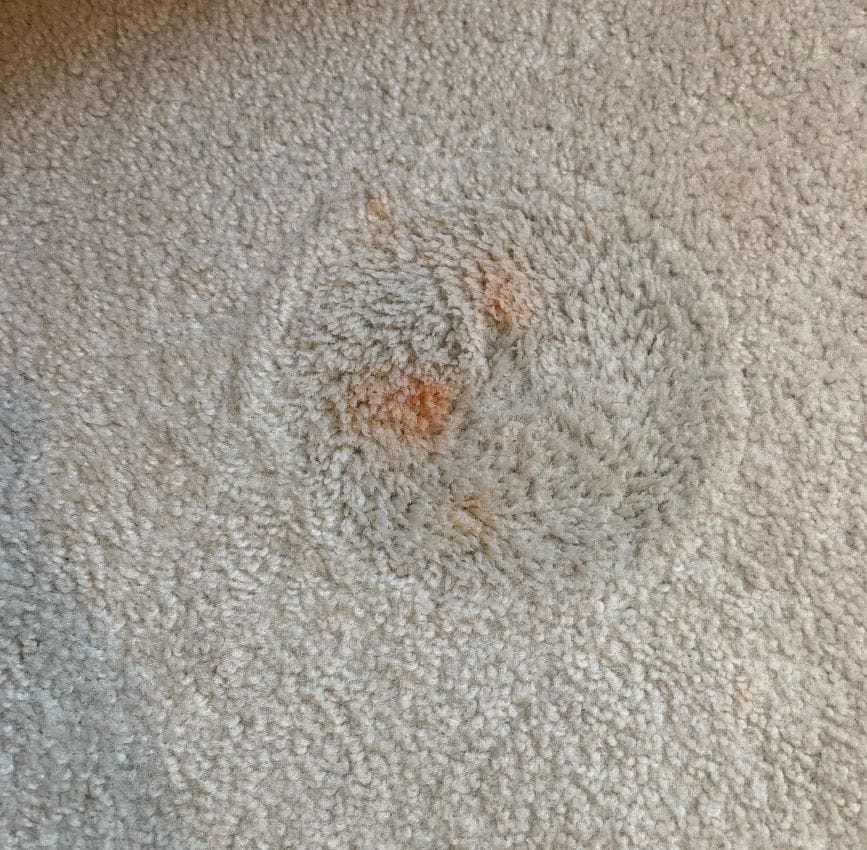
Carpet cleaner residue is the hidden enemy of clean floors. You clean your carpets only to find they look dull again within days, attract more dirt than before, and sometimes feel stiff or sticky underfoot. This problem—known as rapid re-soiling—is typically caused by leftover detergent that acts as a magnet for new soil .
This guide provides a comprehensive, professional-grade approach to identifying, removing, and preventing carpet cleaner residue, ensuring your carpets stay cleaner for longer.
Table of Contents
- Understanding Carpet Cleaner Residue
- Identifying Residue Problems
- Preparatory Steps for Residue Removal
- Manual Residue Removal Methods
- Machine-Assisted Residue Removal
- Professional-Grade Rinse Solutions
- Prevention Strategies
- Frequently Asked Questions
1. Understanding Carpet Cleaner Residue {#understanding}
What Causes Residue?
Carpet cleaner residue forms when cleaning agents—particularly soaps and detergents—are not completely rinsed out of carpet fibers. These agents leave behind sticky particles embedded in the pile .
The problem is especially common with:
- Consumer-grade cleaning machines with limited rinsing capability
- Overuse of detergent, especially dish soap, which contains heavy sudsing agents that leave a tacky film
- Rental carpet cleaners that push water and detergent deep into the fibers and pad without adequate extraction
The Residue Cycle
When detergent residue remains in carpet fibers, it creates a microscopic sticky film. This film attracts and holds dirt and dust from foot traffic and air circulation . The result is a cycle where carpets appear clean for only a few days before looking duller than before cleaning.
Professional Insight: The surfactants used in most carpet cleaning products have surface tensions below 35 dynes/cm, which allows them to penetrate carpet fiber finishes and carry soil deeper into the backing and padding rather than removing it .
2. Identifying Residue Problems {#identifying}
Signs of Residue Buildup
Quick Self-Assessment
- Walk test: Walk barefoot across the cleaned area. Any stickiness or gripping indicates residue.
- White towel test: Rub a clean white towel firmly across the carpet. If it picks up discoloration or feels damp, residue is present.
- Visual inspection: Look for dulling or cloudy spots in natural light.
3. Preparatory Steps for Residue Removal {#preparatory}
Before attempting any residue removal, proper preparation is essential.
Required Supplies
Critical Pre-Cleaning Steps
- Test for colorfastness: Apply your chosen cleaning solution to an inconspicuous area (closet corner, under furniture) and check for discoloration after drying .
- Dry vacuum thoroughly: Remove all loose dirt before applying any liquid to prevent creating mud .
- Assess carpet type: Note the carpet material (nylon, wool, polyester, etc.) as this affects cleaning method selection.
4. Manual Residue Removal Methods {#manual}
Method Comparison Table
Vinegar Solution Method
Ingredients:
Procedure:
- Mix ingredients in a spray bottle
- Spray lightly onto affected area—avoid over-wetting
- Allow to sit for 5-10 minutes
- Blot gently with a clean white cloth until residue transfers to the cloth
- Rinse with clean water by blotting
- Repeat as necessary
Note: The acidity of vinegar neutralizes alkaline detergent residues, breaking down the sticky film .
Rubbing Alcohol Method
Procedure:
- Use clear, unscented isopropyl alcohol (70%-90% concentration)
- Dilute 1:1 with water in a spray bottle
- Test on an inconspicuous area first
- Apply sparingly to the residue-affected area
- Blot gently—do not scrub—with a clean white cloth
- Allow to dry; the alcohol will evaporate quickly
Critical Safety Note: Avoid alcohol on wool or silk carpets. Always ensure adequate ventilation.
Baking Soda Absorption Method
Procedure:
- Vacuum the area thoroughly
- Sprinkle a generous layer of baking soda over the residue
- Allow to sit for 10-15 minutes (or overnight for severe cases)
- Vacuum thoroughly
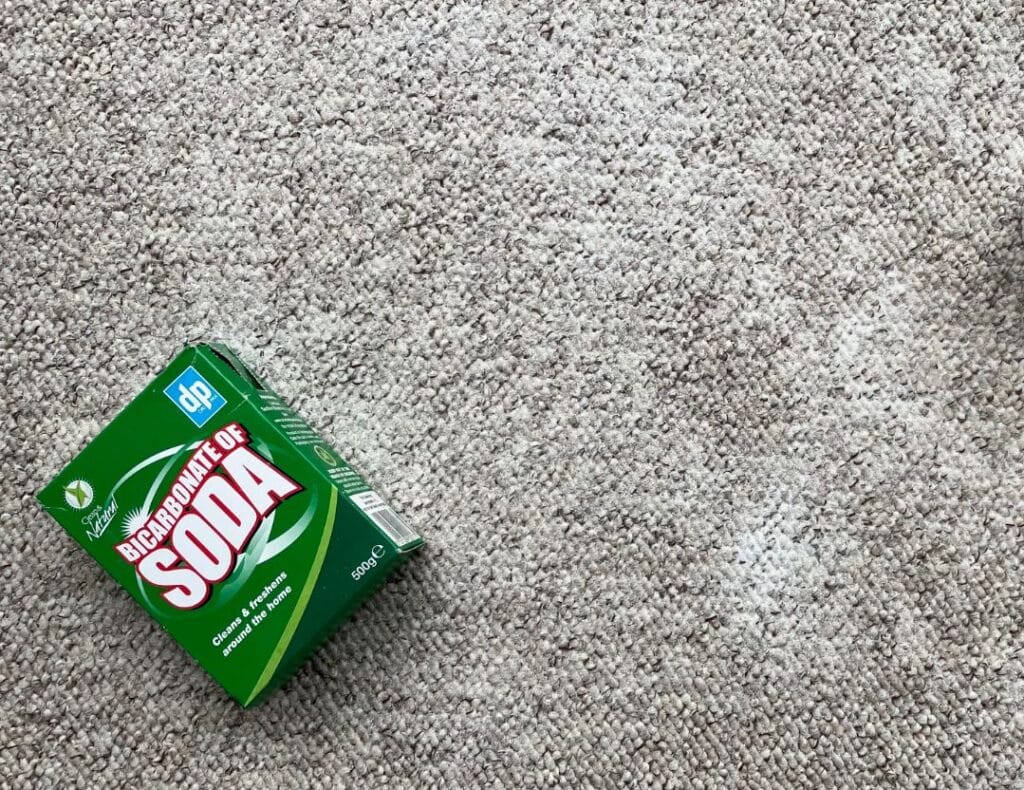
Caution: Baking powder is not a substitute for baking soda. It contains starch and acid that can leave additional residue .
5. Machine-Assisted Residue Removal {#machine-assisted}
Extraction Method Options
| Method | Description | Residue Removal Effectiveness |
|---|---|---|
| Hot Water Extraction | Injects water/detergent, extracts with powerful suction | Very High (with plain water rinse) |
| Encapsulant Extraction | Uses crystallizing polymers that trap soil for vacuum removal | High |
| Dry Compound Extraction | Granular carrier adsorbs soil | Moderate |
Rinsing with Hot Water Extraction
The most effective machine method for residue removal is rinsing with plain water using a hot water extraction machine.
Procedure:
- Fill the extraction machine’s solution tank with plain warm water (no detergent)
- Perform multiple light passes over the residue-affected area
- Allow a dwell time of 2-3 minutes between passes for water to dissolve residue
- Extract thoroughly after each pass
- Critical: Never over-wet—excess moisture can penetrate to the padding and promote mold growth
Encapsulant Extraction
Encapsulant cleaners use polymers that crystallize as they dry, trapping residue and soil in crystals that can be vacuumed away . This method is effective for ongoing maintenance and can help break the residue cycle.
Application:
- Apply encapsulant detergent to carpet
- Agitate with a mechanical scrubber
- Allow to dry
- Dry vacuum to remove encapsulated residue
6. Professional-Grade Rinse Solutions {#professional-rinse}
Acidic Rinse Agents
Professional carpet cleaners use specialized acidic rinse products to neutralize alkaline detergent residues. These products maintain the proper pH balance for carpet fibers and prevent browning .
Comparison of Professional Rinse Products
How to Use Professional Rinse Products
- Dilute according to manufacturer specifications
- Extract using equipment manufacturer instructions
- Brush carpet in one direction with a carpet rake after extraction
- Do not walk on carpet until completely dry
Pro Tip: Professional-grade acidic rinses are available to consumers through specialty cleaning supply stores and online retailers.
7. Prevention Strategies {#prevention}
Best Practices to Avoid Residue Buildup
Carpet Manufacturer Recommendations
Most carpet manufacturers recommend hot water extraction as the preferred cleaning method and advise against:
When to Call a Professional
DIY solutions are effective for minor residue issues, but professional intervention is recommended for:
- Set-in residue that persists after multiple treatments
- Large areas affected by residue
- High-value or wool carpets requiring specialized care
- Warranty-protected carpets where professional cleaning may be required
8. Frequently Asked Questions {#faq}
Q: How do I fix an over-shampooed carpet?
Rinse the carpet with plain water using a damp cloth, blot thoroughly, and use a wet vacuum to extract excess moisture. Ensure good ventilation for drying .
Q: Will vinegar damage my carpet?
White vinegar is safe for most synthetic carpets when properly diluted. Always test on an inconspicuous area first, and do not use vinegar on wool or silk carpets .
Q: Why does my carpet look dirty again so quickly after cleaning?
Rapid re-soiling is almost always caused by detergent residue left behind. The sticky residue attracts dirt from foot traffic and air circulation .
Q: Can I use baking soda in my carpet cleaning machine?
No. Baking soda will clog pumps and damage carpet cleaning equipment. Sprinkle it on, let it sit, and vacuum it up .
Q: How long should I wait before walking on treated carpet?
Allow carpets to dry completely, which typically takes 4-8 hours with proper ventilation and fans. Walking on damp carpet can transfer residue from shoes and crush drying fibers .
Summary
Carpet cleaner residue is a common but manageable problem. The key to effective removal is understanding the nature of the residue—typically alkaline detergent left behind—and applying the appropriate neutralization and extraction methods.
Recommended Action Plan:
- Identify residue through the white towel test
- Start simple with vinegar solution or baking soda
- Scale up to rubbing alcohol or machine rinsing for stubborn cases
- Prevent future buildup through proper dilution, thorough rinsing, and periodic professional maintenance
By following the methods outlined in this guide, you can restore your carpet’s appearance, extend its lifespan, and break the cycle of rapid re-soiling that plagues poorly maintained carpets.