Why Safety Should Be Every DIY Home Improvement Enthusiast’s First Investment
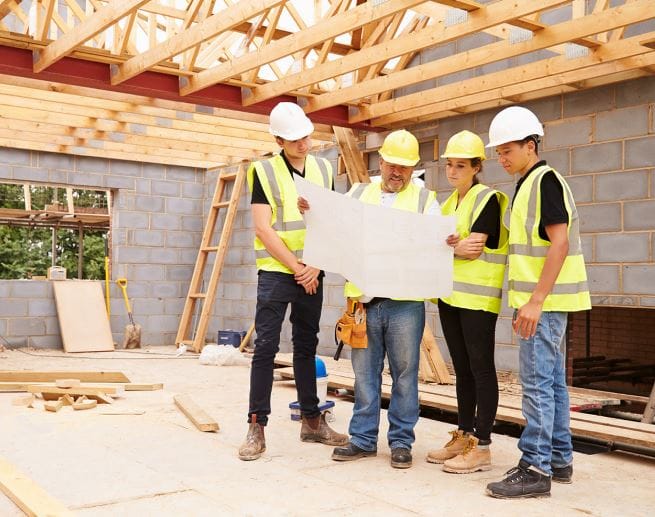
The rise of DIY home improvement has transformed the way homeowners approach renovations, repairs, and creative projects. From building custom shelving and refinishing furniture to installing outdoor features and tackling workshop projects, more people are embracing hands-on work to save money, develop new skills, and personalize their living spaces.
While the excitement of completing a project yourself can be rewarding, one important factor is often overlooked in the rush to get started: safety. Many DIY enthusiasts focus first on purchasing tools, materials, and equipment, yet fail to invest in the protective gear and safety measures that can prevent serious injuries. The reality is that safety should be the first investment every home improvement enthusiast makes before beginning any project.
Whether you’re a weekend hobbyist or someone who spends hours in a home workshop, prioritizing safety can protect your health, improve project outcomes, and keep your DIY activities enjoyable for years to come.
The Hidden Risks Of DIY Projects
Home improvement projects often seem straightforward when viewed through online tutorials or social media videos. However, many tasks involve hazards that are not immediately obvious.
Power tools can cause cuts, punctures, and amputations if used improperly. Dust generated during sanding, cutting, or demolition can irritate the lungs and lead to long-term respiratory issues. Flying debris can damage eyesight, while exposure to loud noises can gradually affect hearing.
Even relatively simple tasks such as painting, drilling, or assembling furniture can present risks when proper precautions are ignored. More advanced projects involving metalwork, electrical systems, welding, or construction materials require even greater attention to personal protection.
Accidents frequently occur not because people lack skill, but because they underestimate the dangers involved. A proactive approach to safety helps eliminate many of these preventable incidents.
Why Prevention Is More Affordable Than Recovery
One of the most common reasons people postpone purchasing safety equipment is cost. However, the financial impact of an injury can be far greater than the price of protective gear.
Medical bills, lost work time, damaged tools, and interrupted projects can quickly add up. Even minor injuries can delay progress and reduce productivity. More serious accidents may require extensive treatment and rehabilitation.
Investing in quality safety equipment represents a relatively small expense compared to the potential consequences of an accident. Protective eyewear, gloves, hearing protection, respirators, helmets, and proper clothing are all affordable safeguards that can significantly reduce risk.
When viewed as part of the overall project budget, safety equipment becomes one of the smartest investments a DIY enthusiast can make.
Essential Safety Gear For Every Workshop
Every home workshop should be equipped with basic protective gear appropriate for the tasks being performed. While requirements vary by project, several items are considered fundamental.
Safety glasses or face shields protect against flying particles and debris. Hearing protection reduces exposure to damaging noise levels from power tools and machinery. Respirators or dust masks help prevent inhalation of harmful particles during cutting, sanding, or demolition work.
Protective gloves provide grip and reduce the risk of cuts and abrasions. Sturdy footwear helps prevent injuries caused by dropped tools or sharp objects. Appropriate clothing can protect the skin from sparks, chemicals, and other workplace hazards.
For projects involving welding or metal fabrication, specialized helmets and face protection become particularly important. Quality welding helmets, such as those available at Ridge Products Welding, help shield the eyes and face from sparks, heat, and harmful light exposure while supporting safer working conditions.
Selecting equipment designed specifically for the intended task ensures both comfort and effectiveness.
Creating A Safety-First Mindset
Safety is more than a collection of equipment. It is a mindset that influences every decision made during a project. A safety-first approach begins before work starts. Reviewing project plans, identifying potential hazards, and preparing the workspace can prevent many common mistakes. This preparation helps ensure that the right tools and protective equipment are readily available.
Experienced professionals understand that rushing often leads to accidents. DIY enthusiasts should adopt the same perspective by allowing sufficient time to complete tasks carefully and methodically.
Taking regular breaks can also improve safety. Fatigue reduces concentration and increases the likelihood of errors. Staying hydrated and maintaining focus contribute to safer project execution.
By developing consistent safety habits, homeowners can create an environment where protection becomes second nature rather than an afterthought.
The Importance Of A Well-Organized Workspace
An organized workspace is one of the most effective safety tools available. Cluttered work areas create numerous hazards, including trips, falls, and accidental contact with tools or equipment.
Keeping tools properly stored when not in use reduces the risk of injury and improves efficiency. Extension cords should be secured and positioned away from walkways. Materials should be stacked safely to prevent shifting or collapse.
Adequate lighting is another critical factor. Poor visibility increases the chance of mistakes and makes it difficult to identify hazards. Well-lit workspaces help improve precision while reducing risk.
Ventilation should also be considered, particularly when working with paints, solvents, adhesives, or metalworking processes that generate fumes. Proper airflow supports both safety and comfort during extended work sessions.
Safety Improves Project Quality
Many people view safety as a separate concern from project performance, but the two are closely connected.
When workers feel protected and comfortable, they are better able to focus on accuracy and craftsmanship. Clear vision, stable footing, and reduced distractions contribute to higher-quality results.
Protective equipment often improves confidence as well. Knowing that appropriate precautions are in place allows DIY enthusiasts to concentrate fully on the task at hand.
This increased focus can lead to cleaner cuts, more precise measurements, and fewer costly mistakes. In many cases, the same practices that improve safety also improve overall project outcomes.
Setting A Positive Example For Family Members
Many DIY projects take place around family members, particularly in garages, workshops, and outdoor spaces. Practicing proper safety habits helps establish a positive example for children and others who may be observing.
Young people often learn by imitation. When they see adults consistently wearing protective gear and following safe procedures, they are more likely to adopt similar habits in their own activities.
A commitment to safety also demonstrates responsibility and respect for the home environment. It reinforces the idea that successful projects depend not only on skill and creativity but also on careful preparation and risk management.
This lesson can extend beyond DIY work into other aspects of daily life, encouraging thoughtful decision-making and personal responsibility.
Looking Beyond The Immediate Project
Every project presents an opportunity to build skills and gain experience. However, the ability to continue enjoying DIY work depends on protecting your long-term health and well-being.
Eye injuries, hearing loss, respiratory issues, and repetitive strain injuries can develop gradually over time. These conditions may not seem significant in the moment, but can affect quality of life for years to come.
Investing in safety today helps preserve the ability to pursue future projects with confidence and comfort. It allows homeowners to continue exploring their creativity, maintaining their properties, and developing practical skills without unnecessary risk.
Conclusion
DIY home improvement offers countless opportunities for creativity, personal growth, and home enhancement. Yet no project is worth compromising your health or safety. Before purchasing the latest power tool or investing in expensive materials, homeowners should prioritize the equipment and practices that protect them from harm.
By investing in proper safety gear, maintaining an organized workspace, and adopting a safety-first mindset, DIY enthusiasts can reduce risks while improving project quality and efficiency. In the end, safety is not an obstacle to success; it’s the foundation that makes every successful project possible.