Are Woolly Aphids Harmful to Humans? A Comprehensive Expert Analysis
Key Takeaway: Woolly aphids are not directly harmful to humans. They do not bite, sting, or transmit diseases. However, their indirect effects—specifically the sticky honeydew they produce and the subsequent growth of sooty mold—can create significant nuisances and may indirectly aggravate allergies or asthma in sensitive individuals.
Introduction: Understanding the “Flying Fluff”
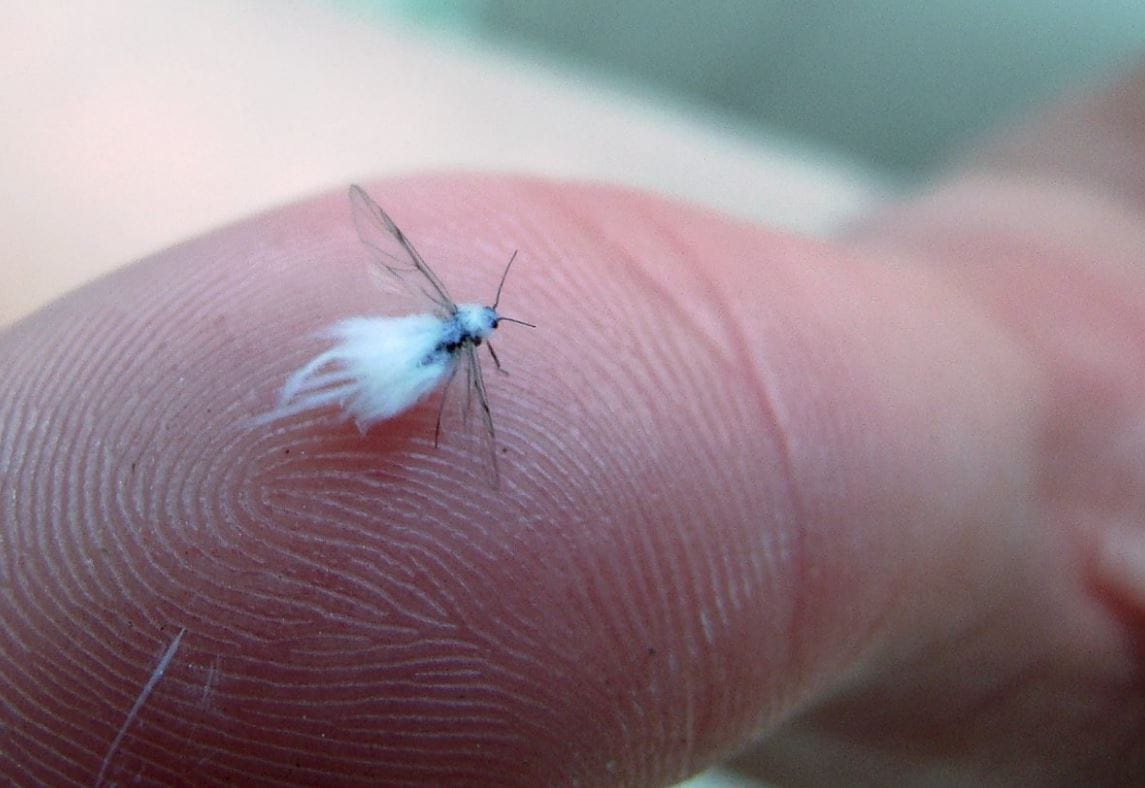
If you have ever noticed tiny, white, fluffy specks drifting through the air like lint or miniature cotton balls, you have likely encountered woolly aphids. These insects are common across North America, particularly in the southeastern states, and are often mistaken for fungal growth, pollen, or debris. While their appearance might be curious, and sometimes alarming due to their sheer numbers, it is important to understand exactly what they are and the level of threat they pose.
This article provides a detailed, evidence-based analysis of whether woolly aphids are harmful to humans, utilizing current entomological data and expert consensus to offer a clear picture of the risks—and the mere annoyances—associated with these sap-sucking insects.
Direct Impact on Human Health: A Zero-Threat Profile
The consensus among entomologists and pest control experts is definitive: woolly aphids are not a direct threat to human health. This conclusion is based on several key biological factors.
No Biting or Stinging Mechanism
Woolly aphids possess mouthparts designed specifically for piercing plant tissue and sucking sap. They are physiologically incapable of biting or stinging humans or pets. Unlike fleas or bed bugs, they are not blood-feeders and have no interest in or ability to penetrate human skin.
No Disease Transmission
These insects are not known vectors for any human or animal diseases. They do not carry pathogens that affect human health, making them a purely aesthetic and botanical concern.
No Home Infestation
While they may drift indoors on clothing or through open windows, woolly aphids cannot survive or reproduce inside homes. They require living plant sap as a food source, so they will perish shortly after being brought indoors. They do not build nests, reproduce in structural wood, or establish indoor colonies.
The Indirect Consequences: Nuisance and Allergic Reactions
Although the aphids themselves are harmless, their byproducts can create conditions that indirectly affect human comfort and health.
Honeydew and Sooty Mold
Woolly aphids produce a sugary, sticky liquid waste product called honeydew as they feed on plant sap. This substance drips onto cars, patios, outdoor furniture, and any other surface beneath infested trees. The honeydew itself is sticky and difficult to clean.
The more significant issue arises from sooty mold, a dark, fungus-like growth that develops on the honeydew. While this mold is generally considered an aesthetic nuisance for plants, it can have health implications for humans.
Impact on Sensitive Individuals: Sooty mold spores can become airborne. For individuals with mold allergies or asthma, exposure to these spores can trigger symptoms such as sneezing, runny nose, itchy eyes, and in severe cases, respiratory distress. The visual presence of the sticky, moldy film may also lead to increased use of cleaning agents, which can introduce volatile organic compounds (VOCs) and other irritants into the air.
A Note on Allergies
It is crucial to clarify that the aphids themselves do not cause allergic reactions. Their waxy, white filaments are not pollen and do not trigger allergic rhinitis. The allergic response is a secondary effect linked to the mold that grows on their honeydew. Therefore, while you might blame the “fluff” for your sneezing, it is actually the fungus that it feeds that is the primary culprit.
Impact on Plants and Property: The Real Damage
While humans are safe, woolly aphids can cause noticeable damage to their host plants and property.
Botanical Impact
Woolly aphids feed on the sap of trees and plants. While healthy, mature trees typically tolerate infestations without long-term damage, large populations can cause:
- Leaf curling and yellowing.
- Premature leaf drop.
- Stunted plant growth.
- Creation of entry points for other pests and diseases due to weakened plants.
Property Aesthetics
The primary complaint from homeowners is the aesthetic damage. The sticky honeydew and black sooty mold coat vehicles, sidewalks, and house siding, creating a grimy, difficult-to-clean mess that is a significant nuisance.
Comparative Risk Table: Woolly Aphids vs. Common Household Pests
To contextualize the minimal risk posed by woolly aphids, compare their threat profile to other common insects:
Conclusion
In summary, woolly aphids are not harmful to humans in the direct sense of the word. They are a benign presence regarding health risks, unable to bite, sting, or transmit diseases. The only caveat involves sensitive individuals who may suffer from indirect allergy symptoms triggered by the sooty mold that grows on the aphids’ honeydew, and the general nuisance of the sticky mess they leave on property.
For most people, these insects are an occasional seasonal annoyance, best managed by washing them off plants with a hose and cleaning affected surfaces. Understanding the difference between the direct threat (none) and the indirect consequences (nuisance and potential mold irritation) is the key to dealing with these “fluffy” inhabitants of our environment.