Best ways Improve Outdoor Spaces Without Taking on a Full Renovation
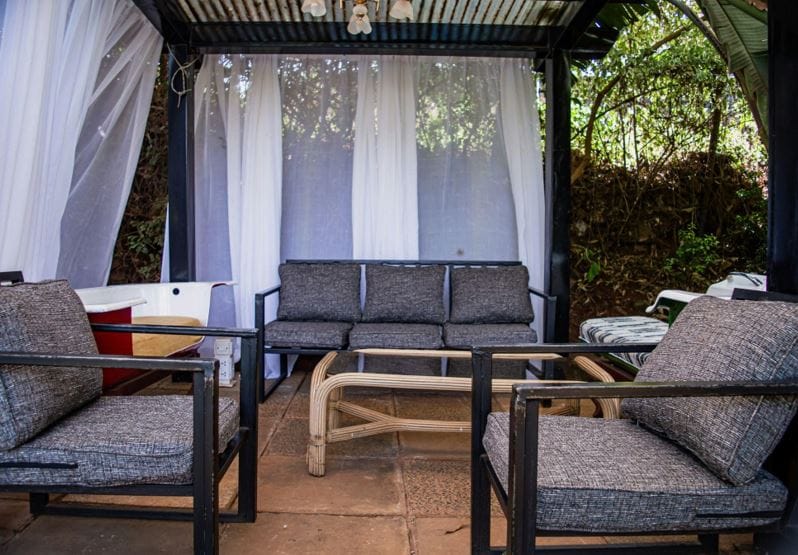
Many homeowners want outdoor spaces that feel more comfortable, functional, and visually inviting, but large renovations can quickly become expensive, time-consuming, and difficult to manage. Because of this, more people are focusing on smaller upgrades that improve how outdoor areas feel and function without requiring complete redesigns or major construction projects.
Outdoor living has become increasingly important as people spend more time entertaining at home, relaxing outside after work, or looking for ways to extend usable living space throughout the year. Patios, backyards, decks, and smaller outdoor areas are no longer viewed simply as decorative additions. They are becoming active parts of everyday routines connected to relaxation, socializing, and overall home comfort.
The good news for many homeowners is that outdoor spaces often improve significantly through smaller changes focused on atmosphere, layout, lighting, and comfort rather than full-scale renovations.
Fire Features Instantly Change How Outdoor Spaces Feel
One of the most effective outdoor upgrades involves creating a central gathering point that encourages people to spend more time outside comfortably. Fire features have become especially popular because they add both warmth and atmosphere without requiring major structural changes.
A well-placed fire pit naturally encourages conversation and helps outdoor spaces feel more usable during cooler evenings. It also creates stronger visual focus within patios or backyard seating areas, helping spaces feel more intentional overall.
Outdoor setups centered around https://royalfirepits.com/ often appeal to homeowners because fire features improve comfort and social functionality simultaneously while requiring far less effort than full outdoor remodeling projects.
Lighting Has a Bigger Impact Than Many People Expect
Outdoor lighting is frequently underestimated during home improvement projects. Harsh floodlights or poorly lit spaces often make outdoor areas feel less inviting even when the layout itself works well.
Many homeowners improve the outdoor atmosphere dramatically through softer lighting choices such as string lights, pathway lights, lanterns, or warm accent lighting around seating areas. These smaller additions help patios and backyards feel more comfortable and usable after dark.
Lighting also helps outdoor spaces feel more complete without requiring expensive physical changes. Even modest upgrades often create a noticeable difference in overall atmosphere.
Seating Layouts Influence Social Comfort
Many outdoor areas feel underused simply because the seating arrangement does not encourage comfortable interaction. Oversized empty spaces or isolated furniture placement often make gatherings feel less natural.
Smaller layout adjustments frequently improve functionality more effectively than major renovations. Grouping seating more intentionally, creating conversation zones, or improving flow between areas often helps spaces feel more welcoming immediately.
Flexible seating also matters because outdoor spaces increasingly serve multiple purposes ranging from casual relaxation to larger social gatherings throughout the year.
Smaller Construction Updates Can Improve Functionality
Not every outdoor improvement requires rebuilding entire patios or redesigning landscapes completely. In many cases, smaller structural updates provide meaningful improvements without overwhelming budgets or timelines.
Repairing damaged surfaces, improving drainage, updating walkways, or refining outdoor transitions often makes spaces feel significantly more polished and usable. Many homeowners focus on these practical improvements first before considering larger design projects later.
For example, you can find various recommendations with Melani General Contractor which has manageable home improvement strategies where homeowners prioritize practical upgrades that improve everyday comfort rather than immediately pursuing full-scale renovation projects.
Outdoor Spaces Are Becoming More Lifestyle-Focused
People increasingly want outdoor areas that support how they actually live instead of simply looking visually impressive. Entertaining, relaxing, dining, reading, and spending quieter evenings outside are becoming larger priorities than maintaining purely decorative spaces.
This shift is changing how homeowners approach outdoor design decisions. Comfortable textures, shade options, heating features, and usability now matter as much as landscaping aesthetics or trend-focused décor.
The most successful outdoor spaces are usually the ones that feel easy to use regularly instead of spaces reserved only for special occasions.
Seasonal Flexibility Is Becoming More Important
Another noticeable trend is that homeowners increasingly want outdoor spaces that remain functional beyond summer months alone. Fire pits, covered seating, layered lighting, and weather-resistant furniture all help extend outdoor usability during cooler seasons.
This flexibility often provides stronger long-term value because people are able to enjoy outdoor areas more consistently throughout the year rather than limiting usage to a few warm months.
Seasonal comfort has therefore become a larger focus within outdoor improvement planning overall.
Outdoor Comfort Often Matters More Than Size
Larger outdoor spaces do not automatically feel better to use. Many smaller patios or backyards become highly enjoyable once comfort, atmosphere, and layout improve slightly.
Soft seating, shade, warmth, lighting, and organized design usually influence emotional comfort more strongly than square footage itself. This is encouraging many homeowners to focus on maximizing usability rather than constantly expanding outdoor areas physically.
According to the Architectural Digest, homeowners increasingly prioritize outdoor environments that combine comfort, flexibility, and practical everyday use rather than purely decorative landscaping projects.
Small Changes Usually Feel More Manageable
One reason homeowners increasingly prefer smaller outdoor upgrades is because manageable projects create less disruption and financial pressure than major renovations. Incremental improvements often allow people to refine spaces gradually while still enjoying immediate benefits.
This approach also makes it easier to adapt outdoor areas over time as lifestyle needs change. Instead of committing entirely to one large design vision, homeowners can improve comfort and usability step by step.
Smaller projects often feel less overwhelming emotionally while still creating noticeable lifestyle improvements.
The Best Outdoor Spaces Feel Relaxing and Easy to Use
The outdoor spaces people enjoy most are usually not the ones requiring the largest budgets or most dramatic renovations. More often, they are the spaces that feel comfortable, welcoming, and naturally integrated into everyday life.
Warm gathering areas, improved lighting, flexible seating, and practical upgrades frequently create stronger long-term satisfaction than purely cosmetic redesigns alone.
As outdoor living continues becoming more important to homeowners, many are discovering that meaningful improvements often come from thoughtful smaller changes that make outdoor spaces easier and more enjoyable to use consistently.