How to Build a House Step by Step: From Foundation to Move-In Day
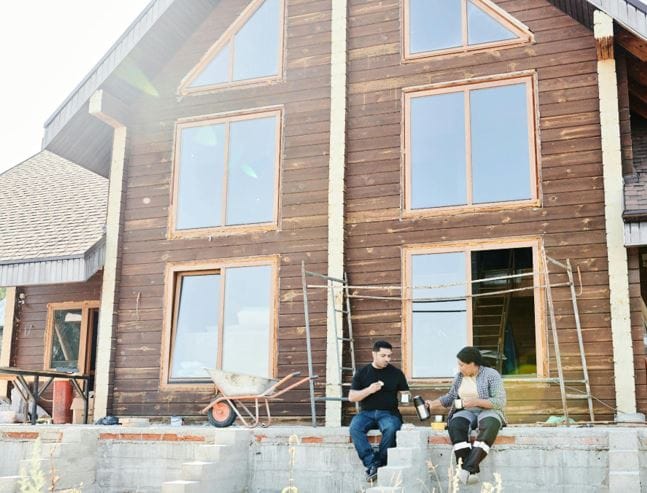
Building a house takes more than a good plan and a clear budget. It requires patience, coordination, skilled labor, inspections, and a strong understanding of what happens at each stage. Every phase supports the next one. When the early work is done correctly, the rest of the project is more likely to stay on track.
A house does not appear all at once. Crews prepare the land, pour the foundation, frame the structure, install systems, close the walls, add finishes, and complete final inspections. Each step has a purpose. Each decision affects the quality, safety, comfort, and durability of the finished home.
If you want to understand the process before you begin, this step-by-step guide will show you how a house moves from bare land to move-in day.
Step 1: Prepare the Site
Every house starts with the land. Before construction begins, the crew clears the building area and removes trees, rocks, brush, old structures, and debris. They also grade the land so water drains away from the future house.
Site preparation matters because water can cause serious problems if it collects near the foundation. Poor drainage can lead to leaks, soil movement, foundation cracks, and long-term structural issues. A well-prepared site gives the house a stronger and safer start.
Surveyors may mark the exact location of the home on the property. Builders also review access points for utilities such as water, electricity, gas, sewer or septic systems, and internet lines. This early planning helps crews avoid costly changes later.
Why This Step Matters
The land must support the structure properly. If the site is unstable, poorly graded, or badly drained, the house can develop problems before the owner even moves in.
Step 2: Lay the Foundation
The foundation supports the entire house, so builders treat this stage with precision. The type of foundation depends on the home design, soil conditions, climate, and budget. Common options include slab foundations, crawl spaces, and basements.
Crews excavate the site, install footings, place forms, add steel reinforcement, and pour concrete. After the pour, the concrete needs time to cure. It may look hard for a short while, but it continues to gain strength as it cures.
Once the foundation is set, crews may add waterproofing, drainage systems, and backfill around the structure. Inspectors usually review the work before construction continues.
Why the Foundation Is Critical
A poor foundation can cause cracks, uneven floors, sticking doors, water intrusion, and structural movement. Builders should never rush this stage or treat it as a place to save money.
Step 3: Frame the House
Framing gives the house its shape. During this stage, crews build the floors, walls, and roof structure. The layout becomes visible, and the project starts to look like an actual house.
Framers create openings for windows and doors, define interior rooms, and build the structural skeleton that supports the roof and exterior walls. This stage often feels exciting because the house changes quickly from a foundation into a recognizable structure.
Accuracy matters. If crews frame walls out of square or place openings incorrectly, those mistakes can affect drywall, cabinets, windows, doors, flooring, and trim later.
Key Parts of Framing
Framing usually includes floor systems, wall studs, ceiling joists, roof trusses or rafters, sheathing, and rough openings. After the frame goes up, crews often wrap the exterior with a weather-resistant barrier to help protect the structure from moisture.
Step 4: Install the Roof, Windows, and Exterior Doors
After framing, builders focus on protecting the structure from the weather. They install the roof, windows, and exterior doors so the house can be dried in.
A dried-in house allows crews to work inside with less risk of rain or wind damage. It also protects materials such as insulation, wiring, and drywall before they are installed.
Roofing materials vary. Many homes use asphalt shingles, while others use metal, tile, slate, or other materials. The right choice depends on the climate, budget, design, and the roof’s expected lifespan.
Windows and exterior doors also play a major role in comfort and energy efficiency. Poor installation can lead to drafts, water leaks, and higher utility bills.
Step 5: Complete Rough-In Work
Rough-in work brings the major mechanical systems into the house before crews close the walls. This stage usually includes plumbing, electrical wiring, heating and cooling ducts, ventilation, gas lines, and sometimes built-in tubs or shower units.
These systems affect how the house functions every day. Plumbing delivers clean water and removes waste. Electrical wiring powers lights, appliances, outlets, and technology. HVAC systems control heating, cooling, and indoor comfort.
This stage requires coordination. Plumbers, electricians, and HVAC contractors must work around the framing and each other. Good planning prevents conflicts inside walls, ceilings, and floors.
Inspections Happen Here
Inspectors usually review rough plumbing, electrical, HVAC, and framing before insulation and drywall begin. If they find problems, crews must correct them before moving forward.
Step 6: Add Insulation
Insulation helps control temperature, improve comfort, reduce noise, and lower energy use. Crews install it in exterior walls, attics, floors, basements, crawl spaces, and sometimes interior walls for sound control.
Common insulation materials include fiberglass batts, blown-in cellulose, spray foam, and rigid foam board. Each type works best in different areas of the house.
At this point in building a home, the quality of the insulation work can affect comfort for decades. Gaps, compression, or poor installation can reduce performance and make the heating and cooling system work harder.
Step 7: Hang Drywall and Finish Interior Walls
Once insulation is complete and inspections pass, drywall begins. Crews attach large drywall sheets to the framing, tape the seams, apply joint compound, sand the surface, and prepare the walls for paint or texture.
Drywall changes the entire feeling of the house. Open framing turns into finished rooms. Hallways, bedrooms, bathrooms, closets, and living areas become easier to imagine.
Good drywall work requires patience and skill. Uneven seams, rough sanding, visible joints, or rushed finishing can show through paint. Since walls cover most of the interior, poor drywall work can make the entire house feel unfinished.
Step 8: Install Exterior Finishes
While interior work moves forward, crews often install exterior finishes. These may include siding, brick, stone, stucco, trim, gutters, and exterior paint.
Exterior finishes create curb appeal, but they also protect the house from weather, pests, and temperature changes. Builders must install these materials correctly so water does not get behind them. Moisture trapped behind exterior finishes can lead to rot, mold, and expensive repairs.
A strong exterior does more than look good. It helps preserve the structure and improve the home’s lifespan.
Step 9: Add Interior Finishes
Interior finishes bring personality and function into the house. This stage may include cabinets, countertops, flooring, interior doors, trim, stair railings, tile, shelving, paint, and built-in features.
This is where many homeowners feel the most excitement because design choices become visible. Colors, textures, materials, and details finally come together.
Finishing work requires careful sequencing. Cabinets must align with plumbing and electrical locations. Flooring may need to go in before certain trim pieces. Tile work in bathrooms and kitchens must include proper waterproofing. A mistake at this stage can affect both appearance and performance.
Do Not Rush to Finish Work
Finish work is easy to see, so sloppy craftsmanship stands out. Crooked trim, uneven tile, poor paint lines, and badly fitted cabinets can make a solid house feel careless. Skilled trades make a major difference here.
Step 10: Install Fixtures and Final Systems
After the major finishes are in place, crews install fixtures and final system components. This includes light fixtures, outlets, switches, faucets, sinks, toilets, appliances, mirrors, cabinet hardware, thermostats, and HVAC registers.
The house now begins to function like a living space. Lights turn on. Water runs. Appliances connect. Heating and cooling systems respond. Rooms start to feel ready for daily use.
Contractors also test systems during this stage. They check for leaks, confirm electrical function, adjust HVAC equipment, and make sure fixtures operate correctly.
Step 11: Complete the Final Inspection and Walkthrough
Before anyone moves in, the house must pass final inspections. Inspectors check code compliance, safety features, electrical systems, plumbing, HVAC, stairs, railings, smoke detectors, and other required elements.
After the final inspection, the builder and owner usually complete a walkthrough. During this walkthrough, they create a punch list of small items that need attention. These may include paint touch-ups, scratched surfaces, cabinet adjustments, missing hardware, misaligned doors, or minor fixture issues.
A reliable builder handles the punch list seriously. Small details matter because they shape the owner’s first experience in the finished home.
Step 12: Move In With Confidence
Move-in day marks the end of the main construction process, but the house may still need attention during the first months. New materials settle. Wood can shrink slightly. Small cracks, nail pops, or minor adjustments may appear as the home adapts to temperature, humidity, and regular use.
Many builders offer a warranty period, so homeowners should document issues and report them clearly. Good communication helps resolve small problems before they become bigger concerns.
A well-built house comes from discipline. It requires the right sequence, the right trades, the right inspections, and the right standards. From the first day of site preparation to the final turn of the key, every step shapes the quality of the finished home.
Final Thoughts
Building a house step by step is a structured process, not a guessing game. The land must be prepared correctly. The foundation must be strong. The framing must be accurate. The systems must work safely. The finishes must be installed with care. The inspections must confirm that the home meets required standards.
The best results come from hiring qualified professionals, asking informed questions, and respecting each stage of the process. A beautiful house may catch attention, but a well-built house earns trust over time.
House Building FAQs
● How long does it take to build a house?
Many houses take several months or more than a year to complete. The timeline depends on the size of the house, weather, permits, labor availability, material delays, inspections, and design complexity.
● What is the most important stage of building a house?
The foundation and framing stages are among the most important because they determine the home’s structural strength and long-term stability.
● Can you live in a house before the final inspection?
Usually, no. Most areas require a certificate of occupancy before anyone can legally live in the house.
● What causes the biggest construction delays?
Common delays include bad weather, permit problems, failed inspections, material shortages, change orders, and scheduling conflicts between trades.
● Is it better to build or buy a house?
Building gives you more control over layout, materials, and finishes. Buying is often faster and less complex. The better choice depends on your budget, timeline, location, and customization needs.