Simple Ways to Relax Without Leaving Home
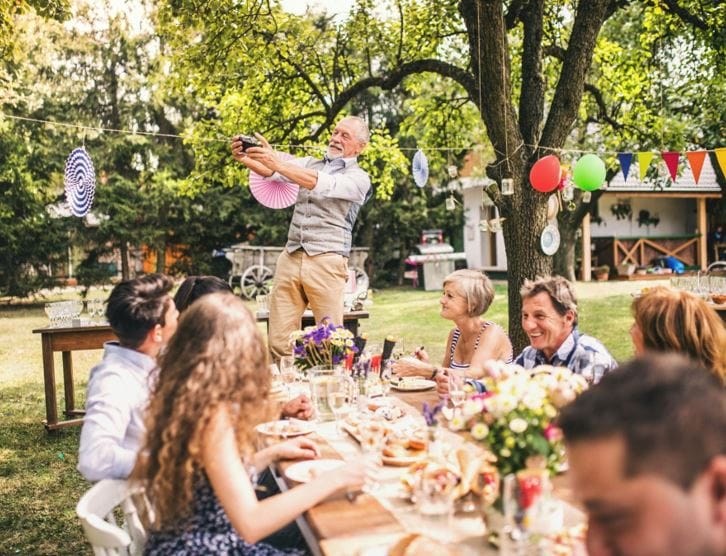
Relaxation habits are changing as more people search for ways to decompress without needing complicated schedules, expensive routines, or constant social activity. Instead of relying entirely on vacations, large events, or outside entertainment, many individuals are creating smaller moments of comfort and recovery directly inside their homes. The goal is increasingly about building manageable routines that help reduce stress consistently rather than escaping occasionally from burnout.
This shift reflects broader lifestyle changes. Faster work schedules, digital overload, and ongoing mental stimulation have made home environments more important than ever for emotional balance. People now want spaces and routines that help them slow down naturally after demanding days, which is why simple at-home relaxation habits continue growing in popularity across different age groups and lifestyles.
Relaxation Is Becoming More Personalized
One of the biggest reasons home-based relaxation routines are expanding is because people are moving away from one universal definition of wellness. Some individuals unwind through music and creative hobbies, while others prefer quiet evenings, wellness products, entertainment, or slower nighttime routines.
This personalization makes relaxation feel more realistic and sustainable because people can build habits around what genuinely helps them feel calmer instead of following highly structured trends. Home routines increasingly focus on emotional comfort and consistency rather than perfection.
As a result, relaxation is becoming less performative and more connected to how people actually live every day.
Wellness Products Are Becoming Part of Daily Routines
Another reason more people are relaxing at home is because wellness-focused products have become easier to integrate naturally into everyday life. Consumers increasingly prefer products supporting calmness, balance, and recovery without requiring major routine changes or complicated preparation.
Brands such as Neurogan reflect the growing demand for wellness products people can incorporate into evening habits, downtime routines, and broader self-care practices from home. Many consumers now view wellness less as an occasional activity and more as part of maintaining emotional and physical balance consistently throughout the week.
This shift has helped make home-based routines feel more accessible and adaptable to different lifestyles.
Entertainment and Relaxation Are Blending Together
Another noticeable trend is the growing overlap between entertainment and relaxation. Many people now combine leisure activities with routines designed to reduce stress and create mental separation from work or outside pressure.
Gaming, digital experiences, music, creative hobbies, and immersive entertainment environments increasingly function as ways to decompress rather than simply pass time. Platforms such as Zeo Universe have become part of how many people relax, disconnect, and recharge at home after long days.
Relaxation is therefore becoming more lifestyle-oriented instead of limited only to traditional wellness categories.
Home Environments Are Being Designed Around Comfort
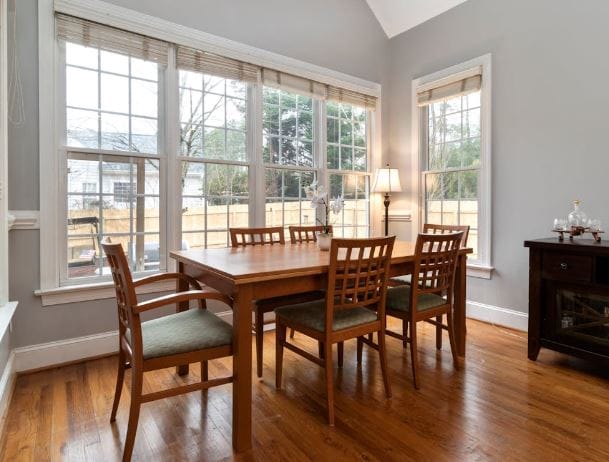
As people spend more time at home, they are also becoming more intentional about the atmosphere surrounding their routines. Lighting, seating, organization, entertainment spaces, and comfort-focused décor all influence whether a home feels calming or overstimulating.
Many individuals now create specific areas where they can mentally disconnect from work, social pressure, or constant digital communication. Softer lighting, comfortable textures, quieter environments, and personalized hobbies all contribute to making evenings feel more restorative.
The emotional quality of home spaces increasingly matters because it directly affects stress levels and overall well-being throughout the week.
Simplicity Is Becoming More Valuable
Another reason simple relaxation routines are growing in popularity is because people are becoming exhausted by highly demanding self-improvement culture. Complicated wellness regimens often feel unrealistic for individuals balancing work, family responsibilities, and constant digital communication.
Simple routines feel more manageable because they can fit naturally into everyday life without creating additional pressure. Watching a show, listening to music, gaming, enjoying wellness products, or spending quiet time at home may seem small individually, but together these habits often improve emotional balance significantly over time.
Many people now value routines they can actually maintain consistently instead of highly idealized systems requiring constant discipline.
Emotional Recovery Has Become More Important
Modern relaxation habits are also increasingly focused on emotional recovery rather than appearance or productivity alone. Sleep quality, mental calmness, stress reduction, and emotional balance now influence how people structure their evenings and personal downtime.
This broader understanding of wellness has expanded what relaxation can look like. Personal comfort, entertainment, mindfulness, hobbies, and home-centered routines all contribute to helping people recover from overstimulation and mental fatigue more effectively.
The focus is less on achieving perfection and more on creating environments where people genuinely feel calmer and more comfortable regularly.
Home Relaxation Is Becoming Part of Everyday Life
Perhaps the biggest reason more people are relaxing at home is because they increasingly recognize that balance is built through smaller daily habits rather than occasional dramatic escapes. The home environment now plays a central role in supporting emotional well-being because it shapes how people recover from stress every single day.
Wellness products, entertainment, personalized spaces, and simple evening routines all contribute to whether home feels emotionally restorative or constantly overstimulating. The strongest routines are often not the most elaborate. More often, they are the ones quietly helping people slow down, feel more comfortable, and enjoy their personal time more consistently.
Relaxation is becoming more personal, more flexible, and more connected to everyday life, and for many people, home is where that shift is happening most naturally.