Getting Dental Implants? Here’s What Not To Do In The 24 Hours Before Surgery

Most people spend a lot of time thinking about the dental implant procedure itself – but far fewer give much thought to the hours leading up to it. According to the team at Doctors Implants, a doctor-owned practice of board-certified oral surgeons specializing in full-mouth dental implants, that’s a mistake. What you do in the final 24 hours before surgery can have a real and lasting impact on how smoothly the procedure goes and how well you recover afterward.
“Proper preparation is just as important as the procedure itself,” say the experts at Doctors Implants. “By avoiding these common mistakes in the 24 hours before your implant surgery, you can help ensure a smoother experience and better results.”
Despite receiving pre-surgery instructions, many patients unknowingly undermine their own treatment by making a handful of very avoidable errors. Here are the six most common ones – and what to do instead.
1. Drinking Alcohol
It might seem harmless to have a drink the evening before your procedure to take the edge off, but alcohol and implant surgery are a poor combination. Alcohol thins the blood, which can lead to excessive bleeding both during and after the operation. It can also interfere with anesthesia, making the procedure harder for your surgeon to manage and potentially more uncomfortable for you.
The rule here is straightforward: avoid all alcoholic drinks – beer, wine, and spirits alike – for at least 24 hours before your appointment. Even small amounts can have an effect, so it’s not worth the risk.
2. Smoking or Using Tobacco
Smoking, vaping, or using any tobacco product in the run-up to surgery is one of the more damaging mistakes a patient can make. Tobacco restricts blood flow to the gums, which is essential for proper healing after the implant is placed. It also introduces a range of harmful chemicals into the body that raise the risk of implant failure and post-surgical complications.
Ideally, patients should stop smoking at least two weeks before their procedure – but at an absolute minimum, avoid all tobacco products for the full 24 hours beforehand. This single step can make a meaningful difference to both short-term recovery and the long-term success of the implant.
3. Taking Unapproved Medications or Supplements
This is one that catches many patients off guard. Certain common medications and over-the-counter supplements can interfere with anesthesia or increase bleeding risk during surgery. The list includes familiar names like aspirin and ibuprofen, as well as some antidepressants and herbal supplements such as ginseng, garlic, and ginkgo biloba.
The key is to review everything you’re taking – prescription medications, over-the-counter drugs, and supplements – with your dental surgeon well ahead of your procedure date. Never stop a prescribed medication without professional guidance, but be prepared to adjust your schedule as directed. What seems like a harmless daily supplement could complicate your surgery if left unaddressed.
4. Ignoring Fasting Instructions
Fasting before surgery isn’t a suggestion – it’s a safety requirement, particularly for patients receiving IV sedation or general anesthesia. Having food or liquid in your stomach during sedation raises the risk of aspiration, a serious condition where stomach contents are inhaled into the lungs.
Even for procedures carried out under local anesthesia, eating immediately beforehand can make things more difficult. As a general guide, most patients are advised to avoid food for six to eight hours before surgery and clear liquids for at least two hours prior. Your dental team will give you specific instructions tailored to your procedure – follow them carefully.
5. Skipping Oral Hygiene
Some patients mistakenly assume they should give their mouth a rest before surgery and ease off on brushing or flossing. In reality, the opposite is true. Poor oral hygiene in the hours before your procedure allows bacteria to multiply in the mouth, increasing the risk of post-surgical infection – which can seriously compromise the healing process and the implant’s ability to integrate with the jawbone.
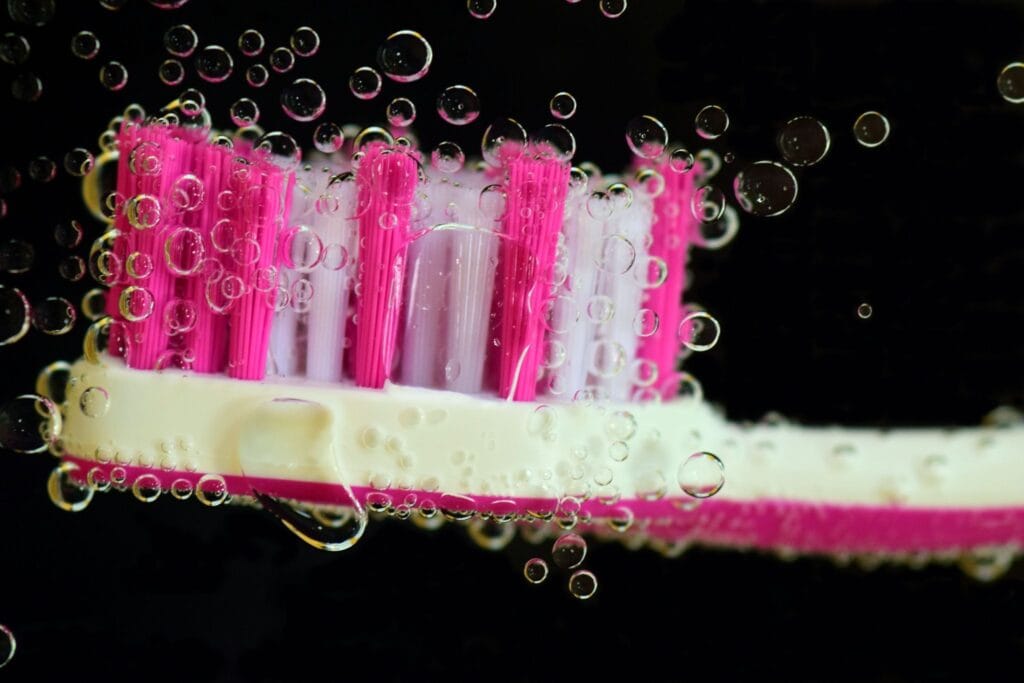
Brush and floss thoroughly the night before and again on the morning of your surgery, paying close attention to the area where the implant will be placed. If your dentist has prescribed an antibacterial mouthwash, use it exactly as directed. Arriving with a clean mouth gives your surgery the best possible foundation.
6. Failing to Prepare for Recovery
It’s easy to be so focused on getting through the procedure that you give little thought to what comes after. But arriving home without the right support in place can turn an otherwise smooth recovery into an unnecessarily difficult one.
Before your surgery day, make sure you have a responsible adult who can drive you home – especially if you’re being sedated. Fill any prescriptions in advance so you’re not scrambling to find a pharmacy while groggy and uncomfortable. Stock your kitchen with soft foods that won’t stress the surgical site, and set up a comfortable recovery space at home with pillows to keep your head elevated while resting. A little preparation goes a long way.
As the team at Doctors Implants puts it: “What patients do in the 24 hours before dental implant surgery can significantly impact both their comfort during the procedure and their long-term results. Proper preparation reduces complication risks and supports optimal healing conditions for the implant to integrate with the jawbone – and that integration is the foundation of a successful implant that can last for decades.”
Dental implant technology has advanced enormously, but it works best when patients show up ready. By treating the preparation period with the same seriousness as the surgery itself, you become an active participant in your own outcome – and give yourself the best possible chance of a result that lasts a lifetime.