How to Clean an Alpaca Blanket: A Professional Guide to Preserving Luxury Fibers
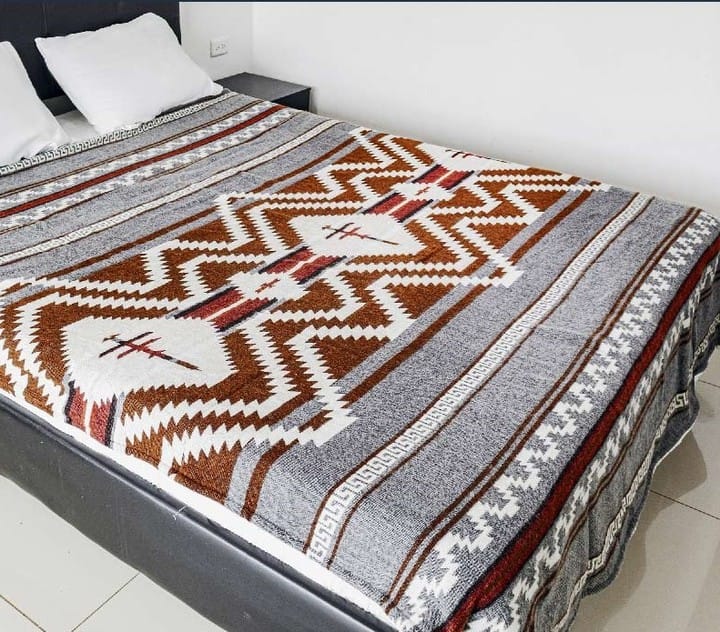
Alpaca wool is a premium textile prized for its thermal regulation, hypoallergenic properties, and silky smoothness—free from the lanolin and barbed scales found in sheep’s wool. However, improper cleaning can irreversibly shrink, felt, or distort the fibers. This guide provides authoritative, step-by-step methods to clean your alpaca blanket safely, preserving its investment value and longevity.
Why Alpaca Requires Special Care
Unlike cotton or synthetics, alpaca fibers are hollow and delicate. Agitation, heat, and alkaline detergents destroy the natural crimp and softness. Understanding the fiber’s vulnerabilities is the first step to correct maintenance.
| Property | Alpaca Fiber | Sheep’s Wool (e.g., Merino) |
|---|---|---|
| Lanolin content | None | Present (can cause allergies) |
| Scale structure | Near-smooth | Jagged, prone to felting |
| Tensile strength | Lower when wet | Moderate when wet |
| Heat tolerance | Low (shrinks above 30°C/86°F) | Low (shrinks above 40°C/104°F) |
Step-by-Step Cleaning Methods
Choose the method based on the blanket’s care label and soil level.
Method 1: Hand Washing (Recommended for All Alpaca Blankets)
Hand washing is the gold standard. It minimizes mechanical stress and temperature shock.
Materials:
- Lukewarm water (below 30°C / 86°F)
- pH-neutral wool wash (e.g., Eucalan, Nikwax Wool Wash)
- Large basin or clean bathtub
- Two large, clean white towels
Procedure:
- Pre-test – Dab a hidden corner with the wash solution to check colorfastness.
- Fill basin with lukewarm water. Add detergent per instructions.
- Submerge blanket gently. Press down to saturate – do not wring, twist, or scrub.
- Soak for 10–15 minutes only. Prolonged soaking weakens fibers.
- Drain soapy water. Refill with clean, same-temperature water.
- Rinse by gently pressing the blanket against the basin wall. Repeat until no suds remain.
- Extract water by rolling the blanket between two towels. Press firmly.
- Dry flat on a clean, mesh rack away from direct sunlight or heat sources.
Method 2: Machine Washing (Only if Explicitly Labeled “Machine Washable”)
Some modern alpaca blends (e.g., with nylon or silk) tolerate machine cycles. Pure alpaca should almost never be machine washed.
Critical machine settings:
- Cycle: Delicate / Hand wash
- Water temp: Cold (max 20°C / 68°F)
- Spin speed: ≤400 RPM
- Detergent: Liquid wool wash only
Risks: Even with correct settings, friction against the drum causes pilling and felting over time.
Method 3: Spot Cleaning for Local Stains
For spills or localized soiling, avoid washing the entire blanket.
Steps:
- Blot (do not rub) excess liquid with a white microfiber cloth.
- Mix 1 tsp mild wool wash with 2 cups cool water.
- Dip a clean cloth into the solution, then wring almost dry.
- Dab the stain from the edge inward.
- Rinse the area by dabbing with a water-dampened cloth.
- Air-dry flat, then gently brush fibers back into alignment.
Cleaning Method Comparison
| Aspect | Hand Wash | Machine (Delicate) | Dry Clean | Spot Clean |
|---|---|---|---|---|
| Safety for pure alpaca | High | Low | Medium* | High |
| Water temperature risk | Controlled | Variable | None | Low |
| Felting potential | Minimal | Moderate | None | None |
| Cost | $0 (home) | $0 (home) | $15–$30 | $0 |
| Drying time | 6–12 hrs | 6–12 hrs | Same day | 1–2 hrs |
Dry cleaning uses chemical solvents (perchloroethylene) that can strip natural oils, making fibers brittle over time. Limit to once every 2–3 years.
What to Avoid – Critical Errors
- Heat – Hot water, dryer heat, or radiator drying shrinks alpaca permanently.
- Agitation – Rubbing, twisting, or vigorous squeezing causes felting (irreversible).
- Alkaline detergents – Regular laundry soap (pH >9) degrades protein fibers. Use pH-neutral (5.5–7).
- Hanging to dry – Gravity stretches wet alpaca, distorting shape and drape.
- Bleach (any type) – Oxidative or chlorine bleach dissolves alpaca fibers.
Drying and Storage After Cleaning
Proper drying is as crucial as washing.
| Step | Action |
|---|---|
| 1 | After towel-rolling, reshape blanket to original dimensions on a flat mesh rack |
| 2 | Allow airflow from all sides (use a fan on low if needed) |
| 3 | Flip the blanket after 4 hours to prevent moisture trapping |
| 4 | Dry until completely room-temperature dry (may take 24 hours) |
| 5 | Once dry, store folded in a breathable cotton bag – never plastic |
| 6 | Add cedar blocks or lavender sachets; avoid mothballs (naphthalene damages fibers) |
Professional Maintenance Schedule
| Usage Frequency | Hand Wash | Spot Clean | Dry Clean | Air Out (Sunless) |
|---|---|---|---|---|
| Daily (e.g., bed blanket) | Every 3–4 months | As needed | Every 12 months | Weekly |
| Weekly (e.g., throw) | Every 6–8 months | As needed | Every 24 months | Biweekly |
| Occasional (decorative) | Every 12–18 months | As needed | Only if stained | Monthly |
Final Professional Recommendation
For pure alpaca blankets of high value (heirloom or investment grade), hand washing with a pH-neutral wool wash and flat drying remains the only consistently safe method. Machine washing is a gamble; dry cleaning is a periodic option but not a routine solution. When in doubt, consult a textile conservator or the original manufacturer’s care code.
Disclaimer: Always verify the blanket’s fiber composition and care label. Blends with cotton, acrylic, or polyester may tolerate different methods, but pure alpaca demands the gentlest approach.