How to Clean Museum Glass: The Ultimate Guide (Without Damaging Anti-Reflective Coatings)
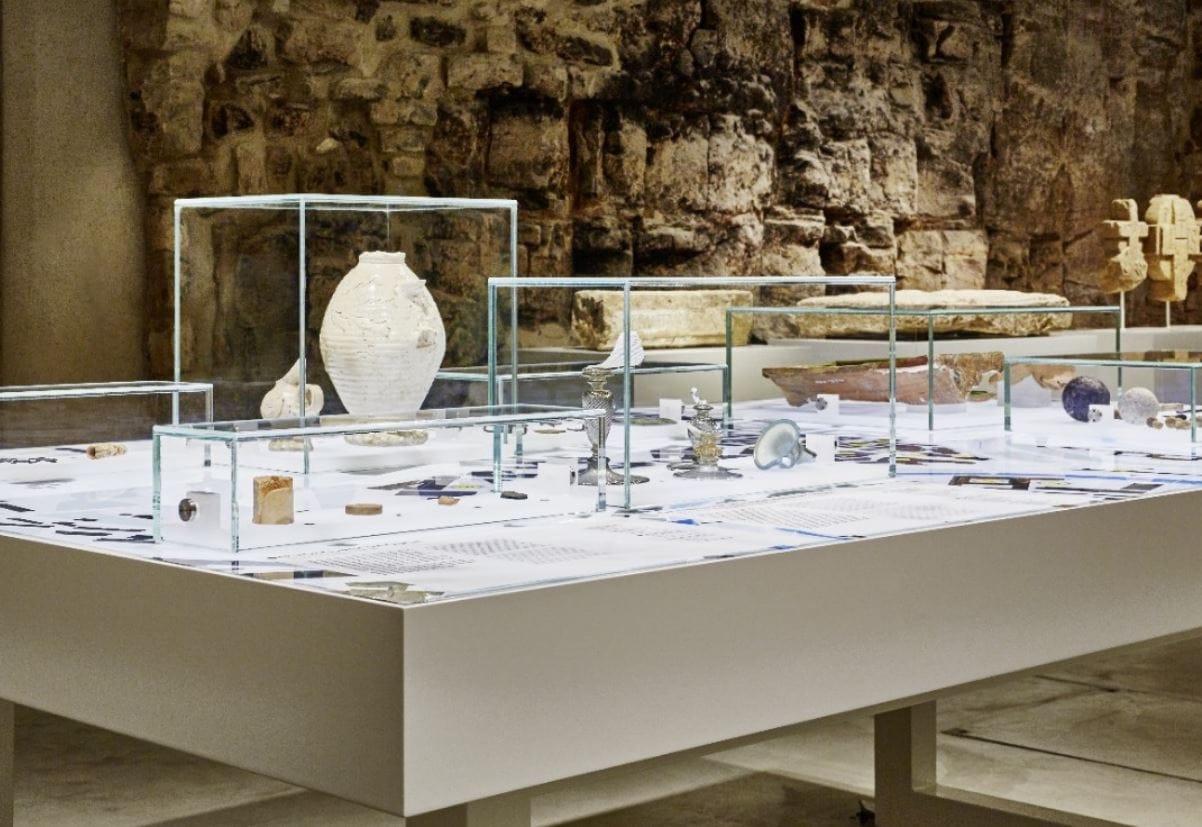
Museum Glass (a premium anti-reflective and UV-protective glazing) is an investment in your artwork or collectibles. Unlike standard glass, it features delicate optical coatings that are chemically sensitive. Using the wrong cleaner or technique can permanently ruin the glass, causing hazing, micro-scratches, or delamination.
This guide provides the only safe methodology recommended by professional framers and conservators.
Why Museum Glass is Different (And Difficult)
Standard glass cleaners (like Windex or generic sprays) contain ammonia, alcohol, or vinegar. On standard glass, these are fine. On Museum Glass, they attack the anti-reflective metal oxide layers. This leads to:
- Crazing (crackled appearance)
- Whitish residue that won’t wipe off
- Loss of anti-reflective properties
| Feature | Standard Glass | Museum Glass |
|---|---|---|
| Coating | None | 7+ layers of metal oxides |
| Chemical sensitivity | Low | High (No ammonia/alcohol) |
| Visible streaks | Moderate | Very high (coating reveals flaws) |
| Cleaning difficulty | Easy | Expert/Precision |
Tools You Will Need
Do not improvise. Abrasive paper towels or tap water with minerals will scratch the soft coating.
| Tool | Purpose | Critical Spec |
|---|---|---|
| Microfiber cloths | Lifting dirt | 70/30 or 80/20 blend (no silk/terry) |
| Distilled water | Primary solvent | 0 ppm dissolved solids |
| Isopropyl alcohol (IPA) | Oil/grease removal | 50% dilution (max) – 70% is too strong |
| Non-ionic surfactant | Break surface tension | 1 drop of photo-flo or dish soap (Fairy/Dawn free & clear) |
| Lint-free wipes | Final polish | Kimtech or Scott Pure (not toilet paper) |
⚠️ Warning: Do not use paper towels, newspaper, or coffee filters. The wood pulp fibers act like sandpaper on anti-reflective coatings.
Step-by-Step Cleaning Protocol
Phase 1: Dry Dusting (The Most Critical Step)
Never spray liquid onto a dusty surface. You will create mud that scratches.
- Inspect the glass under a raking light (hold a lamp at a 45° angle).
- Blow loose particles off using a rubber dust blower (not canned air—the propellant leaves residue).
- Lightly brush with a clean, dry microfiber cloth folded into quarters. Use zero pressure.
Phase 2: Solution Preparation
Mix your Professional Museum Glass Cleaner:
- 250ml Distilled water
- 2ml 50% Isopropyl alcohol
- 1 drop Non-ionic surfactant (or clear, ammonia-free dish soap)
Pour into a fine-mist spray bottle. Do not use a standard trigger sprayer (droplets are too large).
Phase 3: Wet Cleaning
- Spray the cloth, not the glass. Direct spray on the glass can seep into the frame’s rabbet and swell the matboard.
- Wipe in a serpentine (S) pattern from top to bottom. Never use circular motions (circular scratches catch light).
- Immediately dry using a second clean microfiber before the liquid evaporates (minerals left behind cause spotting).
Phase 4: The “Light Test” for Streaks
Hold the glass at a 30° angle to an overhead light. If you see rainbows or oil slicks, repeat Phase 3 with 100% distilled water (no alcohol) to remove surfactant residue.
The Comparison Table: Cleaners You Must Avoid
| Cleaner Type | Contains | Effect on Museum Glass | Safe? |
|---|---|---|---|
| Windex (original) | Ammonia-D | Dissolves coating in 30 days | ❌ No |
| Vinegar solution | Acetic acid | Etches metal oxides | ❌ No |
| Rubbing alcohol (70%+) | Isopropyl alcohol | Strips anti-reflective layer | ❌ No |
| Generic “Glass cleaner” | Ethylene glycol | Leaves hazy polymer film | ❌ No |
| Distilled water + microfiber | H2O | Safe, but doesn’t remove oils | ✅ Yes (partial) |
| Our DIY solution | H2O + 50% IPA + surfactant | Safe, evaporates clean | ✅ Yes (best) |
5 Common Mistakes That Void Your Warranty
Many museum glass manufacturers (Tru Vue, GroGlass) have cleaning clauses in their warranties. These actions typically void coverage:
- Using abrasive pads (Scotch-Brite) – microscopic scratches destroy clarity.
- Cleaning in direct sunlight – solution dries too fast, leaving chemical burns.
- Wiping “dry” to save time – you must use a damp cloth to float away grit.
- Reusing dirty cloths – trapped grit acts as sandpaper.
- Applying pressure – Museum glass is softer than soda-lime glass; use only the weight of your hand.
How Often Should You Clean Museum Glass?
| Environment | Frequency | Method |
|---|---|---|
| Kitchens (grease aerosol) | Monthly | Wet clean (full protocol) |
| Living rooms (dust only) | Every 3 months | Dry dust + distilled water wipe |
| Framed art behind UV acrylic | Annually | Professional cleaning only |
| Never opened/display | Never clean | Leave factory coating intact |
Pro Tip: The “Static Test”
Museum glass often develops static charge that attracts dust within hours of cleaning. To neutralize:
- Wipe the reverse side of the glass with a slightly damp dryer sheet (unscented) – do not touch the coated side.
- Or use an anti-static gun (Milty Zerostat) from 12 inches away.
When to Call a Professional
If you see any of these symptoms, you cannot fix them with cleaning:
- White spiderwebs under the surface (delamination)
- Tiny pinholes in the reflection (coating failure)
- Water spots that won’t remove after 3 attempts (etched glass)
In these cases, the glass must be replaced. No cleaner will restore degraded coatings.
Final Checklist
✅ Only distilled water + 50% IPA + surfactant
✅ Fine-mist spray onto cloth only
✅ Two microfiber cloths (one wet, one dry)
✅ S-pattern, no circles
✅ No paper products
✅ Test in a corner first
Summary: Less is more. Museum glass is a high-tech optical filter, not a window. Clean only when necessary, use zero pressure, and always dilute your solvents. Your artwork’s clarity depends on it.