Why Professional Support is Often the Safest Path to Senior Independence
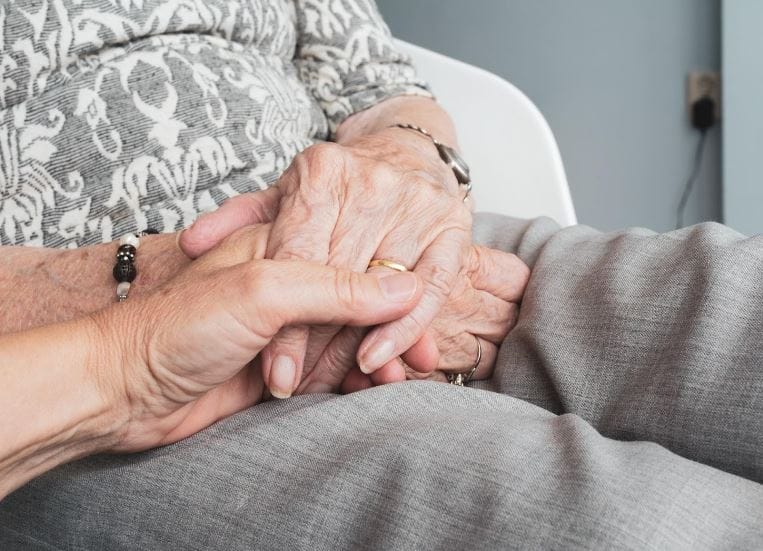
Most families delay too much. When they actually consider professional care, their loved one has already experienced a fall, a hospitalization, or another crisis that forces their hand. That’s when care becomes a necessity. It doesn’t have to work that way, and when it doesn’t, the results are rarely as good.
Based on research, it’s not about taking their independence away. It’s about protecting it!
Professional help isn’t the opposite of independence
Almost 90% of adults age 65 and older want to age in their own homes (AARP). That desire is powerful, and most families want to respect it. The issue is that “staying home”, for most people, becomes unsustainable in its purest form. The difference between what a senior can handle and what they need tends to widen naturally with age.
Caregivers aren’t here to occupy space in a senior’s home. They come in to do the things that pose the most significant risk – showering, stairs, tracking multiple medications, etc. This frees the senior to continue doing what they enjoy and what gives them meaning for weeks, months, and sometimes even years. Outfitting someone with the basics isn’t taking their freedom. It’s how you preserve it.
To make this feasible for families, care plans should be adaptable over time. You might just start with a couple hours a week for groceries and meal prep. But it can quickly grow to encompass more, hopefully long before a crisis pushes the issue. That kind of reasoned, measured response is not possible with most alternatives. It generally ends up being a choice between “doing it all alone” and “a facility”. But there’s so much in between those two extremes.
What families miss when they’re too close
When you’re busy being someone’s child, it’s hard to step back and be the objective, well-rested, clear-headed observer that your parent needs. That’s why noticing a real decline in an aging parent often happens when you visit for the holidays – you see it through someone else’s eyes for the first time.
The hospital-to-home transition is where things go wrong
After being discharged from the hospital, older adults face a period of heightened vulnerability. Readmission rates are particularly high among this demographic, in part because they are at an increased risk of experiencing a range of challenges immediately following discharge, including medication errors, inadequate monitoring or management of post-discharge complications, and readjustment problems that can lead to exacerbations of chronic diseases.
Protecting the relationship, not just the person
One of the unsung benefits of senior home care is how it transforms family relationships. When an adult child is suddenly thrust into the role of primary caregiver for their parent, the parent-child relationship, and all its mutual joys and obligations, goes through a rewrite. Instead of checking in about grandkids or the latest ballgame, it’s all about medication schedules and hygiene routines. That’s tiring for everyone, and it pushes someone you love away when you probably want to draw them closer.
Professional home care gives some of that back. When someone else is responsible for the clinical and personal care tasks, adult children have the breathing room to just be sons and daughters again. That’s vital for the parent’s overall well-being, not just the caregiver’s.
Finding support that fits your specific situation
General advice about home care will only get you so far. The rubber meets the road when you can access trusted, proven help that’s right there, right where you live, from people who live in your community and know how to be there when circumstances change.
For families dealing with this in central Pennsylvania, localized home care services Harrisburg PA offer non-medical assistance tailored to an aging in place lifestyle – including an actual care plan that’s based on the current needs of the senior, not on a generic projection of what those needs will eventually become.
Starting with a home safety assessment often leads to the best insights. When you know exactly where things like poor lighting or slippery throw rugs are, you understand how medications are currently being monitored and managed, and you’re able to see which activities of daily living are currently posing problems… then you know exactly what kind of help should be introduced.
Starting earlier changes what’s possible
Families who address these issues early on are not just preventing emergencies. They are establishing an environment in which their relatives can truly stay at home and thrive. That is the case for professional care – not after all else has failed, but as a step to ensure the success of everything else.