How Regular Cleaning Improves Indoor Air Quality in Ottawa Homes
The air inside your home influences how you feel every single day. In Ottawa, where residents spend extended periods indoors during long winters, the condition of indoor air becomes even more important. When windows stay closed for months, and heating systems run constantly, airborne particles remain trapped inside. Over time, those particles build up and continue circulating unless they are actively removed.
Cleaning is often associated with visual tidiness, but its impact goes much deeper. A well-maintained home supports healthier breathing, fewer allergy triggers, and improved overall comfort throughout the year.
Why Ottawa Homes Are Especially Vulnerable
Ottawa experiences dramatic seasonal changes. Winter brings freezing temperatures, forcing homeowners to seal their homes tightly to preserve heat. Spring introduces pollen. Summer adds humidity. Fall brings debris and dust tracked in from outdoors.
Because modern construction prioritizes insulation and energy efficiency, homes retain air for longer periods. While this reduces heating costs, it also means that dust, pet dander, and other fine particles remain suspended in the indoor environment for extended periods.
Without consistent cleaning, those contaminants settle on surfaces, collect in fabrics, and re-enter the air whenever there is movement in the home.
How Dust Moves Through a Home
Dust does not stay in one place. Walking across a room, fluffing cushions, or adjusting bedding can release tiny particles back into circulation. Heating systems then pull that air through filters and redistribute it throughout the house.
Over time, this cycle repeats continuously. A small amount of dust can turn into a persistent indoor air issue.
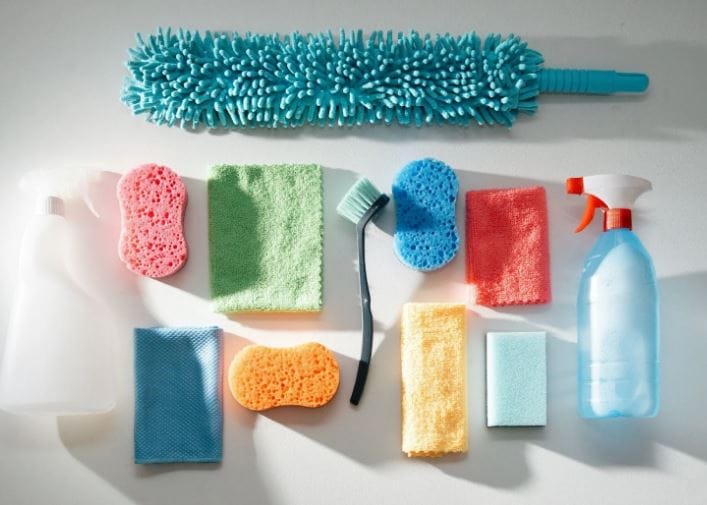
Frequent vacuuming with proper filtration reduces fine particle levels. Microfiber cloths are particularly effective at trapping dust rather than spreading it. Cleaning high-traffic areas several times per week significantly lowers airborne debris inside Ottawa homes.
Soft Surfaces Hold More Than You Think
Carpets, drapes, mattresses, and upholstered furniture act like storage zones for allergens. While these materials temporarily capture airborne particles, they also release them again when disturbed.
Deep cleaning methods, such as hot water extraction, help remove contaminants embedded beneath the surface. This is particularly important in households with pets, where dander becomes a constant source of airborne irritation.
Replacing or cleaning area rugs regularly and washing bedding in warm water also reduces microscopic buildup that contributes to poor air quality.
Moisture and Air Quality Are Closely Connected
Humidity levels influence indoor air quality more than many homeowners realize. Everyday activities such as cooking, showering, and even breathing introduce moisture into the air. If that moisture lingers, it creates conditions where mould and mildew can develop.
Bathrooms and kitchens should receive focused attention. Cleaning tile surfaces, wiping down condensation, and ensuring exhaust fans are functioning correctly help prevent excess moisture from becoming a larger problem.
During Ottawa summers, when humidity levels rise outdoors, managing indoor moisture becomes even more important. Proper airflow combined with consistent cleaning keeps microbial growth under control.
The Connection Between Cleaning and Heating Systems
Air circulation systems play a major role in how indoor air behaves. When heating equipment runs frequently during colder months, it moves air from room to room. Any particles present in that air are carried along with it.
Filters capture some debris, but they are not designed to handle heavy buildup from neglected spaces. Replacing filters on schedule is essential. Cleaning around vents and removing dust accumulation near registers prevents contaminants from entering the system in the first place.
For homes that rely on ductless systems, keeping the indoor units clean is equally important. Homeowners considering upgrades or maintenance should speak with qualified heat pump installers to understand how proper system care contributes to healthier air circulation.
When heating equipment and cleaning routines work together, indoor air remains fresher and more comfortable.
Seasonal Cleaning Makes a Difference
Each season introduces new air quality challenges. In spring, pollen drifts indoors through open windows and on clothing. In the fall, leaves and outdoor debris make their way inside. Winter creates stagnant indoor conditions due to limited ventilation.
A thorough seasonal reset helps eliminate buildup before it becomes problematic. Washing window screens, wiping baseboards, cleaning behind furniture, and refreshing entryways reduce the amount of outdoor contaminants that settle inside.
This type of proactive approach prevents small accumulations from turning into long-term indoor air concerns.
Air Ducts and Hidden Dust
While not every home requires frequent duct servicing, visible dust blowing from vents or persistent allergy symptoms may signal deeper buildup. Over the years, particles can collect inside ductwork and recirculate when the system operates.
An inspection by a professional can determine whether cleaning is necessary. However, duct cleaning alone will not solve air issues if the rest of the home is not maintained. A holistic approach that includes surfaces, fabrics, and ventilation produces better results.
Odour Control and Fresh Air
Lingering smells often indicate trapped particles rather than simple scent issues. Cooking fumes, pet odours, and dampness can cling to fabrics and flooring.
Rather than masking smells with artificial sprays, removing the underlying source through cleaning improves both air freshness and overall hygiene. Regular fabric care, floor maintenance, and proper ventilation reduce odour retention significantly.
Fresh indoor air should feel neutral, not artificially scented.
Cleaning Supports Energy Performance
When dust accumulates on vents or within filters, airflow becomes restricted. Restricted airflow forces heating systems to work harder, which can increase energy consumption.
Keeping components clean allows equipment to operate efficiently. In Ottawa, where heating costs are a major expense during winter, maintaining clean airflow pathways supports both comfort and energy savings.
A home that is free of excessive dust allows air to move more smoothly, reducing strain on mechanical systems.
Creating a Sustainable Cleaning Routine
Improving indoor air quality does not require extreme measures. What matters most is consistency. A sustainable routine might include:
- Vacuuming frequently used areas several times per week
- Dusting with tools that trap particles rather than scatter them
- Washing linens weekly
- Managing moisture in kitchens and bathrooms
- Changing HVAC filters as recommended
- Scheduling periodic deep cleaning
For larger households or busy families, professional services can assist with maintaining this schedule.
A Healthier Indoor Environment Year-Round
The condition of the air inside your home reflects daily habits. In Ottawa’s climate, where homes remain closed for extended stretches of time, regular cleaning becomes essential rather than optional.
Removing dust, managing humidity, maintaining heating systems, and staying ahead of seasonal buildup creates a noticeable difference in how a home feels. Cleaner air supports easier breathing, improved comfort, and a more pleasant living space throughout every season.
When consistent cleaning and responsible system maintenance work together, homeowners gain more than visual order. They create a healthier indoor environment that benefits everyone inside.