How to Clean Piano Ivory Keys: The Ultimate Guide for 2025
Meta Description: Learn the safe and effective methods for cleaning delicate ivory piano keys. Discover step-by-step instructions, essential supplies, and professional tips to prevent yellowing and cracking.
Keywords: clean piano ivory keys, how to clean ivory keys, ivory key cleaning, piano maintenance, restore yellowed ivory keys
Piano keys are the bridge between the musician and the instrument. Over decades of play, they accumulate oils, dust, and grime. If you own an older piano—specifically one manufactured before the 1970s—chances are you have genuine ivory keytops. While durable, ivory is a porous, organic material that requires a distinctly different care routine than modern plastic keys. Using the wrong cleaner can lead to yellowing, cracking, or irreversible damage.
This guide will walk you through how to clean piano ivory keys safely, what products to avoid, and how to maintain their luster for years to come.
Why Ivory is Different
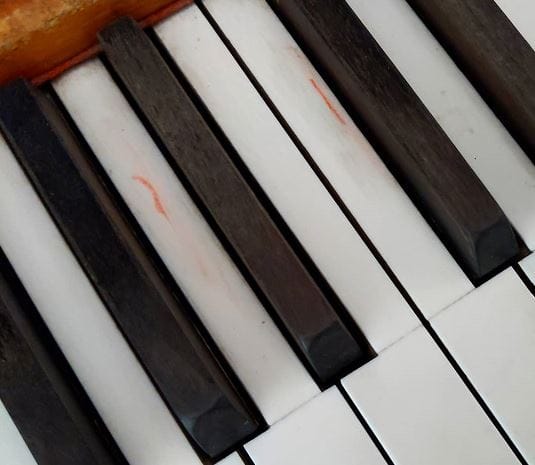
Before you begin, it is vital to confirm that your keys are actually ivory. Generally, pianos made after the 1950s use plastic. Ivory keys usually feature a visible grain pattern and are made of two or three pieces glued together, whereas plastic is uniform in color and texture .
Ivory is absorbent and sensitive to light, acids, and moisture . Therefore, the cleaning methods that work on plastic (like alcohol wipes or harsh chemicals) can be catastrophic for ivory.
What You’ll Need: Gather Your Supplies
Using the correct tools is the first step to a successful clean. Avoid abrasive materials like paper towels or colored cloths, as dyes can transfer onto the porous ivory .
Step-by-Step Guide: How to Clean Piano Ivory Keys
Follow this process carefully. The golden rule is always the same: Less moisture is more. Excess liquid will seep down the sides of the keys, damaging the wooden keybed and the felt bushings .
Step 1: Dry Dusting
Before using any liquid, gently dust the keys. Use a dry, soft cloth or a soft-bristled brush to remove loose particles. Wipe from the back of the keys (near the fallboard) toward the front. This pushes debris away from the cracks rather than into them .
Step 2: Prepare Your Cleaning Solution
For routine cleaning, plain distilled water is often sufficient. For heavier grime, you have two safe options:
- Soapy Water: A tiny drop of mild dish soap in a cup of distilled water .
- Vinegar Solution: A mixture of equal parts white vinegar and distilled water. This is effective for cutting through aged grime on ivory .
Important: Never spray or pour liquid directly onto the keys. Always dampen your cloth away from the piano.
Step 3: The “Damp-Wipe-Dry” Method
- Dampen one of your soft cloths with your chosen solution.
- Wring it out thoroughly until it is barely damp. It should never be dripping wet.
- Wipe one key at a time from back to front. Do not wipe side-to-side across multiple keys, as this transfers grime into the gaps .
- Immediately follow up with your second, dry cloth to remove any remaining moisture from that key.
Step 4: Tackling the Black Keys
The black keys (traditionally ebony or now plastic/wood) should be cleaned separately. Use the same damp-wipe-dry method. If your black keys are wood, be especially cautious, as moisture can stain or warp them .
Step 5: Crevice Cleaning
For dirt lodged between the keys, use a cotton swab lightly dampened with your cleaning solution. Squeeze out excess moisture with your fingers first. Clean the sides gently and dry immediately with a dry swab or cloth .
Deep Cleaning vs. Maintenance: A Comparison
Depending on the condition of your piano, you may need a more intensive approach. Below is a comparison of standard maintenance versus deep cleaning for stubborn stains.
What to Avoid: The “Never” List
Ivory is unforgiving when exposed to harsh chemicals. Many online forums suggest home remedies that can actually ruin your keys.
- Never use alcohol or hydrogen peroxide: While some forum users mention peroxide for whitening, professionals warn it can damage the material and dry it out . Alcohol can strip the natural oils and cause cracking .
- Never use toothpaste: Despite being a popular folk remedy, toothpaste is abrasive. It can scratch the surface of the ivory, removing the patina and damaging the grain .
- Never use milk or buttermilk: This old wives’ tale is a recipe for disaster. Milk will spoil, seep into the pores of the ivory, and leave a foul odor that is nearly impossible to remove .
How to Prevent Yellowing and Damage
Cleaning isn’t just about removing dirt; it’s about preservation.
The Sunlight Debate
There is a common belief that sunlight whitens ivory. This is true, but it comes with a warning.
- Do: Expose ivory keys to indirect, diffuse sunlight. UV light can help bleach yellowed ivory naturally .
- Don’t: Leave the fallboard open in direct, harsh sunlight for prolonged periods. This can cause the ivory to dry out, crack, or overheat, and it can also damage the piano’s finish and strings .
Best Practice: Keep the fallboard open when the room is lit during the day to allow light exposure, but close it at night to protect against dust and humidity changes .
Wash Your Hands
This is the single most effective preventative measure. Natural skin oils attract dust and can seep into the porous ivory, causing discoloration that is difficult to reverse .
When to Call a Professional
If your keys are severely yellowed, cracked, or if the grime does not respond to gentle cleaning, it is time to hire a Registered Piano Technician .
Professionals have access to specialized products like Cory KeyBrite, which is specifically designed for ivory, and they can safely perform UV light treatments without risking damage to the rest of the piano . Additionally, if keys are loose or chipped, amateur repair attempts can decrease the value of your instrument .
Frequently Asked Questions
Q: Can I use disinfectant wipes on my ivory keys?
A: No. Disinfectant wipes contain harsh chemicals and alcohol that will dry out and damage ivory. Stick to a damp cloth with mild soap .
Q: How often should I clean the keys?
A: A light dry dusting weekly and a damp cleaning monthly is sufficient for most home pianos .
Q: My ivory keys are yellow. Will cleaning make them white again?
A: Surface grime cleaning will help, but age-related yellowing may require professional UV treatment or very careful indirect sunlight exposure. Keep in mind that some patina on antique ivories is natural and desirable .
By following these guidelines, you ensure that your piano’s ivory keys remain not only a beautiful piece of history but also a healthy, responsive surface for making music.