How to Clean Granite Steps: The Ultimate Guide for Lasting Shine and Safety
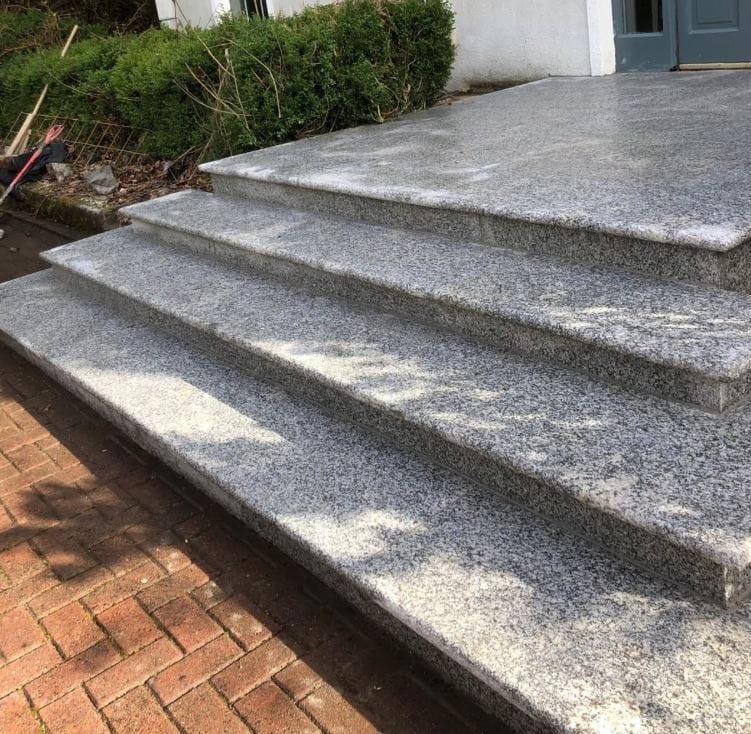
Granite steps add timeless elegance and durability to any home. But their porous nature and constant exposure to foot traffic, rain, snow, and UV rays require a very specific cleaning approach. Using the wrong cleaner is the #1 cause of permanent damage to granite steps.
In this guide, you’ll learn exactly how to clean granite steps safely, remove tough stains, and protect your investment for decades.
Why Granite Steps Need Special Care
Unlike indoor granite countertops, exterior steps face unique challenges:
| Challenge | Risk | Consequence |
|---|---|---|
| Freeze-thaw cycles | Moisture absorption | Cracking, spalling |
| Algae/moss growth | Slippery surface | Safety hazard |
| UV exposure | Color fading | Dull, weathered look |
| Acid rain | Chemical etching | Permanent dull spots |
Key takeaway: Standard household cleaners like vinegar, bleach, or ammonia will etch the surface and strip protective sealers.
What You’ll Need: Supplies Checklist
Before starting, gather these granite-safe tools:
Essential:
- pH-neutral stone cleaner (specifically labeled for granite)
- Soft-bristle brush (nylon, never metal)
- Microfiber cloths or chamois
- Bucket of warm water
- Garden hose with spray nozzle
For deep cleaning/stain removal:
- 12% hydrogen peroxide (light-colored stone)
- Acetone (dark-colored stone)
- Granite poultice powder
- Plastic wrap and masking tape
For maintenance:
- Penetrating sealer (solvent-based preferred)
- Sealer applicator pad
Step-by-Step: How to Clean Granite Steps
Step 1: Dry Removal
Start completely dry. Sweep away loose dirt, leaves, and debris with a soft broom. If you wet the surface first, you’ll just turn dirt into mud that gets ground into the pores.
Step 2: Rinse
Use plain water from a hose to rinse away remaining dust. Avoid pressure washers—they blast sealer out of the stone and can erode the surface.
Step 3: Apply Cleaner
Dilute your pH-neutral stone cleaner according to the manufacturer’s instructions. Apply with a mop or soft cloth. Work in 2×2 foot sections so the cleaner doesn’t dry before you scrub.
Step 4: Agitate Gently
Use a soft-bristle nylon brush to agitate the surface. Focus on corners and textured areas where grime builds up. Do not use wire brushes or green Scotch-Brite pads—they will scratch.
Step 5: Rinse Thoroughly
Rinse with clean water. Soap residue attracts dirt, so rinse until no suds remain. Change your bucket water frequently.
Step 6: Dry Completely
Wipe dry with microfiber cloths. Standing water leaves mineral deposits. For large steps, a squeegee works well.
How to Remove Specific Stains from Granite Steps
Granite is porous. If you see a stain, the spill has penetrated below the surface. Topical cleaning won’t work—you must draw the stain out.
| Stain Type | Appearance | Poultice Recipe |
|---|---|---|
| Organic (leaves, moss, food) | Brown/tan | 12% hydrogen peroxide + flour |
| Oil-based (bird droppings, grease) | Dark, greasy | Acetone + baking soda |
| Rust (metal furniture) | Orange/red | Commercial rust remover for stone |
| Efflorescence (white powder) | Chalky white | Dry brushing; improve drainage |
How to apply a poultice:
- Mix the absorbent material (flour, baking soda, or poultice powder) with the chemical cleaner to form a peanut butter consistency.
- Spread ¼-inch thick over the stain, extending 1 inch beyond the edges.
- Cover with plastic wrap, tape the edges.
- Let sit 24–48 hours.
- Let dry completely, then scrape off.
- Rinse and repeat if necessary.
Table: Best Cleaners for Granite Steps (Avoid at All Costs)
| Product Type | Safe for Granite? | Why |
|---|---|---|
| pH-neutral stone soap | ✅ Yes | Gentle, leaves no residue |
| Dish soap + water | ⚠️ Rarely | Only if pH-neutral; most are too alkaline |
| Vinegar / Lemon | ❌ NO | Acid etches and dulls polish |
| Bleach | ❌ NO | Degrades sealers, discolors stone |
| Windex / Glass cleaner | ❌ NO | Ammonia causes chemical burns |
| Magic Eraser | ❌ NO | Melamine foam = micro-abrasion |
Sealing Granite Steps: Do You Need To?
Yes. Unsealed granite acts like a sponge. Water should bead on the surface. If it darkens when wet, your sealer is gone.
How often to seal:
- High traffic: Every 1–2 years
- Moderate traffic: Every 2–3 years
- Test annually: Sprinkle water. If it absorbs within 5 minutes, reseal.
Sealer comparison:
| Type | Penetration | Durability | Finish | Best For |
|---|---|---|---|---|
| Penetrating sealer | Deep | 3–5 years | Natural look | Exterior steps |
| Topical sealer | Surface | 6–12 months | Glossy | Interior, low traffic |
| Enhancing sealer | Deep | 2–4 years | Wet look | Dark or flamed granite |
Application tip: Apply sealer with a lambswool applicator. Wait 5 minutes, wipe off excess. Two thin coats are better than one thick coat.
Green Solutions: Natural Ways to Clean Granite Steps
If you prefer chemical-free options, these methods are safe only if you verify they are pH-neutral:
- Castile soap – Dilute heavily (1 tsp per gallon). Rinse extremely well.
- 70% isopropyl alcohol + water (50/50 mix) – Evaporates quickly, safe for sealed stone.
- Soda water – The carbonation lifts dirt; no chemical residue.
Do not use: Vinegar, lemon juice, or essential oils with citrus.
Preventing Moss, Algae, and Slippery Steps
Exterior granite steps in shaded areas will eventually grow algae. This makes them dangerously slick when wet.
Short-term fix: Scrub with hydrogen peroxide or a stone-safe biocide.
Long-term fix: Improve sunlight exposure (trim overhead branches) and ensure steps slope slightly for water runoff.
Anti-slip options:
- Clear anti-slip strips (replace annually)
- Matte-finish sealers with grit additives
- Textured granite (flamed or bush-hammered) for new installations
Common Mistakes That Ruin Granite Steps
- Power washing – Strips sealer, erodes softer minerals.
- Using vinegar as a “natural” cleaner – Causes irreversible etching.
- Walking on wet sealer – Creates cloudy footprints under the coating.
- Ignoring efflorescence – White powder is salt migrating; it won’t wash off, it must be dry-brushed.
- Winter salt damage – Rock salt and calcium chloride can pit granite. Use sand for traction instead.
Monthly Maintenance Checklist
| Frequency | Task |
|---|---|
| Weekly | Sweep debris, rinse with hose |
| Monthly | Deep clean with pH-neutral cleaner |
| Quarterly | Inspect for moss/stains |
| Annually | Water test sealant; reapply if needed |
| As needed | Spot-treat stains with poultice |
Final Verdict: How to Keep Granite Steps Like New
Granite is one of the most durable natural stones, but only if you respect its chemistry.
The golden rules:
✅ Clean with pH-neutral products only
✅ Dry thoroughly after washing
✅ Reseal before water absorbs into the stone
❌ Never use acid, bleach, or abrasives
By following this guide, your granite steps will maintain their structural integrity and natural beauty for a lifetime—without costly restoration.