Can You Use Bar Keepers Friend in the Oven? The Ultimate Guide

Yes, you can use Bar Keepers Friend (BKF) to clean your oven, but with crucial precautions. This versatile household cleaner is renowned for cutting through tough stains, baked-on grease, and rust, making it a potential solution for oven cleaning. However, using it incorrectly can damage your appliance. This comprehensive guide will show you exactly how to use BKF safely and effectively in your oven.
Understanding Bar Keepers Friend and How It Works
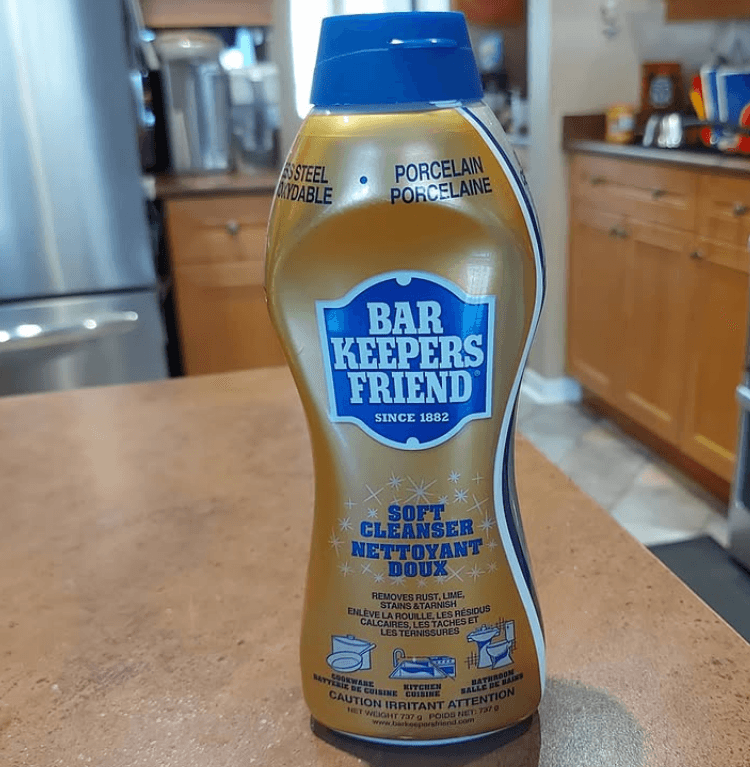
Bar Keepers Friend is a non-abrasive, oxalic acid-based cleaner. Unlike harsh fume-producing chemical oven cleaners, BKF works through a chemical reaction that breaks down stains without heavy scrubbing. Its key ingredient, oxalic acid, is effective on:
- Baked-on grease and food spills
- Carbonized stains
- Discoloration and light rust
- Enamel surfaces
However, it is not designed for self-cleaning ovens during the pyrolytic cycle and should be used with caution on certain surfaces.
Step-by-Step: How to Safely Clean Your Oven with Bar Keepers Friend
Important First Step: Always check your oven’s manufacturer manual for cleaning recommendations and warnings about specific cleaners.
What You’ll Need:
- Bar Keepers Friend (Powder or Soft Cleanser)
- Rubber gloves
- Damp cloths or non-abrasive sponges
- A bowl for mixing (if using powder)
- Plastic scraper or old credit card (for tough spots)
The Safe Cleaning Process:
- Ventilate & Cool: Ensure your kitchen is well-ventilated. The oven must be completely cool.
- Remove Racks: Take out oven racks. You can clean these separately with BKF in the sink.
- Do a Spot Test: Apply a small amount of BKF to an inconspicuous area of the oven interior (like the back wall). Wait 2-3 minutes, wipe, and check for any adverse reaction like discoloration.
- Apply & Dwell: If the test is successful, apply a thin paste (mix powder with a little water) or the soft cleanser directly to stained areas. Avoid heating elements, vents, and any exposed electrical components. Let it sit for no more than 1-2 minutes.
- Gently Scrub: Using a damp cloth or non-abrasive sponge, gently scrub the area. For stubborn spots, a plastic scraper can help lift residue.
- Rinse Thoroughly: This is critical. Wipe the entire area multiple times with a clean, wet cloth until all residue is removed. Any leftover cleaner can produce fumes when heated.
- Dry & Reassemble: Dry the interior with a clean towel, replace the racks, and leave the oven door open for an hour to air out completely.
Bar Keepers Friend vs. Common Oven Cleaning Methods
The table below compares BKF to other popular oven cleaning solutions.
| Method | Best For | Pros | Cons | Safety Notes |
|---|---|---|---|---|
| Bar Keepers Friend | Spot-cleaning baked-on stains, grease, enamel surfaces. | Non-abrasive, low-fume, affordable, multi-use. | Requires manual scrubbing, not for entire oven interiors, risk of residue if not rinsed well. | Avoid on broiler elements, self-cleaning oven seals, and aluminum. Always rinse thoroughly. |
| Commercial Oven Cleaner | Heavy, full-oven grease and grime. | Powerful, often requires minimal scrubbing, formulated for ovens. | Harsh chemical fumes (lye), requires excellent ventilation, can damage seals and racks. | Use gloves & eye protection. Keep away from children and pets. |
| Baking Soda & Vinegar Paste | Light to moderate cleaning, natural approach. | Non-toxic, fume-free, safe on most surfaces. | Can require significant scrubbing, less effective on heavy, baked-on grease. | Very safe but time-consuming. May need multiple applications. |
| Oven’s Self-Cleaning Cycle | Entire interior cleaning (for pyrolytic ovens). | Hands-off, effective at high temperatures. | Extremely high heat, can produce smoke/smell, may trip smoke alarms, wears on oven components. | Remove all racks and large debris first. Supervise the cycle. |
Crucial Dos and Don’ts for Oven Safety
| ✅ DOs | ❌ DON’Ts |
|---|---|
| DO perform a spot test first. | DON’T use on or near the heating elements. |
| DO wear gloves for protection. | DON’T use in a self-cleaning cycle or on the oven door gasket/seal. |
| DO rinse the oven thoroughly multiple times. | DON’T use on aluminum or anodized surfaces (can cause discoloration). |
| DO clean oven racks separately in the sink. | DON’T let the product dry or sit for extended periods (1-2 mins max). |
| DO ensure the oven is completely cool before starting. | DON’T mix BKF with other chemicals, especially bleach or ammonia. |
The Verdict: Is Bar Keepers Friend Good for Ovens?
Bar Keepers Friend is an excellent product for targeted cleaning of tough stains and baked-on spills on the enamel surfaces inside your oven. It is not a full-oven heavy chemical cleaner replacement, but a highly effective option for maintenance and spot cleaning between deep cleans.
Final Recommendation: Use BKF for tackling specific dirty spots, the oven window, and the stovetop. For a full, heavily soiled oven clean, a product specifically labeled for ovens or the oven’s self-cleaning function (if available) may be more appropriate. Always prioritize the manufacturer’s guidelines and rinse meticulously to ensure no cleaner remains before you next use your oven.
By following this guide, you can harness the power of Bar Keepers Friend to keep your oven sparkling without compromising its function or your safety.