The Ultimate Guide: How to Get a Water Stain Out of Leather
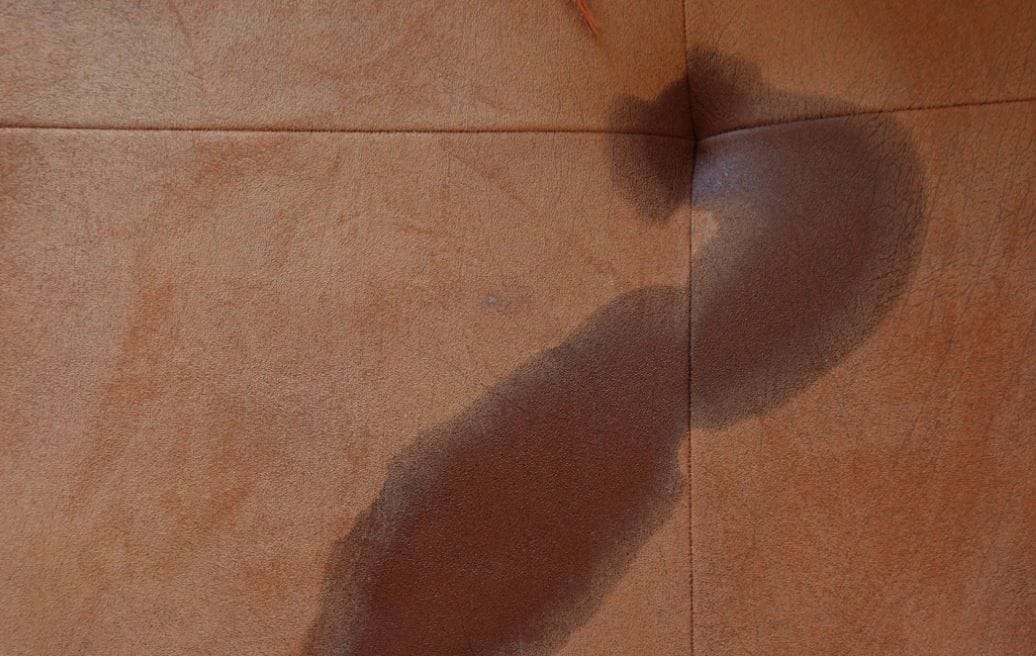
Water stains on leather can strike fear into the heart of any owner. That unsightly white ring or dark blotch seems to scream “damage.” But here’s the good news: most water stains on leather are not permanent damage, but merely mineral deposits or surface discoloration that can be resolved. This comprehensive guide will walk you through proven, step-by-step methods to restore your leather to its pristine condition.
Why Do Water Stains Happen on Leather?
When water penetrates the leather’s surface, it can carry dissolved minerals (found in tap water) to the surface. As the water evaporates, these minerals are left behind, creating a white, crusty ring. In other cases, water can disrupt the leather’s dyes and finishes, leading to a darker spot. The treatment method depends on the type of leather and the nature of the stain.
Leather Type Identification: Your First Crucial Step
Using the wrong cleaner can cause irreversible damage. Always identify your leather type first. Check the manufacturer’s tag or do a spot test in an inconspicuous area.
| Leather Type | Key Characteristics | Water Stain Susceptibility |
|---|---|---|
| Aniline (Full-Grain) | Porous, natural, untreated surface. Feels soft. | High – lacks protective top coat. |
| Semi-Aniline | Lightly pigmented and protected. More uniform color. | Medium – has a light protective layer. |
| Pigmented (Corrected Grain) | Coated with a polymer or pigment. Uniform, durable finish. | Low – protective top coat shields it. |
| Bonded | Reconstituted leather fibers. | Varies greatly by coating. |
Step-by-Step: Removing Fresh vs. Old Water Stains
For FRESH Water Stains (Act Quickly!)
- Blot, Don’t Wipe: Immediately use a clean, absorbent, lint-free cloth (microfiber is ideal) to gently blot away excess moisture. Wiping can spread the water.
- Air Dry Naturally: Let the item dry away from direct heat or sunlight. Never use a hairdryer, heater, or place it near a radiator, as rapid drying can crack the leather.
- Condition: Once fully dry (this may take 24 hours), if the stain is gone, apply a high-quality leather conditioner to replenish oils.
For SET/WHITE RING Water Stains (Mineral Deposits)
If a white ring remains after drying, it’s likely a mineral deposit. Here’s your action plan:
Method 1: The Vinegar Solution (For Pigmented/Protected Leathers)
- Mix: 1 part white vinegar to 1 part distilled water.
- Test: Always perform a spot test on a hidden area.
- Apply: Dampen a clean cloth with the solution and gently wipe the stained area in a circular motion.
- Blot & Dry: Use a dry cloth to blot the area and let it air dry completely.
- Condition: After drying, apply leather conditioner.
Method 2: The Leather Conditoner Massage (For Aniline & Semi-Aniline Leathers)
Often, the oils in the conditioner can help redistribute pigments and dissolve mild mineral marks.
- Apply a small amount of conditioner to a soft cloth.
- Gently massage it into the stain using circular motions.
- Buff with a dry cloth and allow it to absorb.
Comparison of Removal Methods & When to Use Them
Choosing the right method is critical. This comparison table helps you decide at a glance.
| Method | Best For Leather Type | Best For Stain Type | Risk Level | Key Tip |
|---|---|---|---|---|
| Vinegar & Water Solution | Pigmented, Semi-Aniline, Finished | White mineral rings, light stains | Low (with test) | Use distilled water to avoid adding more minerals. |
| Leather Conditioner | All, especially Aniline & dry leather | Light discoloration, mild rings | Very Low | Also acts as a preventative treatment. |
| Specialist Leather Cleaner | All types (use type-specific product) | Persistent stains, unknown origin | Medium | Follow product instructions meticulously. |
| Isopropyl Alcohol (Diluted) | Very durable, pigmented leather only | Tough, stubborn mineral deposits | High | Last resort only. Can strip dyes and finish. |
What NOT to Do: Common Mistakes That Worsen Stains
- ❌ Don’t Use Heat: Hairdryers and heaters will bake the stain in and crack the leather.
- ❌ Don’t Use Household Cleaners: Windex, all-purpose sprays, or soap can permanently discolor leather.
- ❌ Don’t Soak the Leather: Excessive moisture can cause water damage beyond the surface stain.
- ❌ Don’t Skip the Spot Test: Always, always test your cleaning solution.
Professional Help: When to Call a Expert
Seek a professional leather restorer if:
- The stain is large, dark, and has been set for months or years.
- The leather is suede or nubuck (these require entirely different, specialized techniques).
- You’ve tried gentle methods without success.
- The item is of high monetary or sentimental value.
Prevention: The Best Cure
Protect your leather investment to avoid future headaches:
- Apply a Leather Protector Spray: Choose a product for your leather type. It creates an invisible barrier against spills.
- Condition Regularly: Every 6-12 months, depending on use, to keep the leather supple and less absorbent.
- Clean Spills Immediately: The faster you act, the lower the chance of a permanent stain.
Final Takeaway: Removing a water stain from leather is often a simple process of gentle blotting, patient air-drying, and targeted conditioning. By correctly identifying your leather type and using the appropriate method, you can successfully erase those worrying marks and keep your leather goods looking luxurious for years to come.