The Ultimate Guide: How to Clean a Leather Strop for Peak Razor Performance
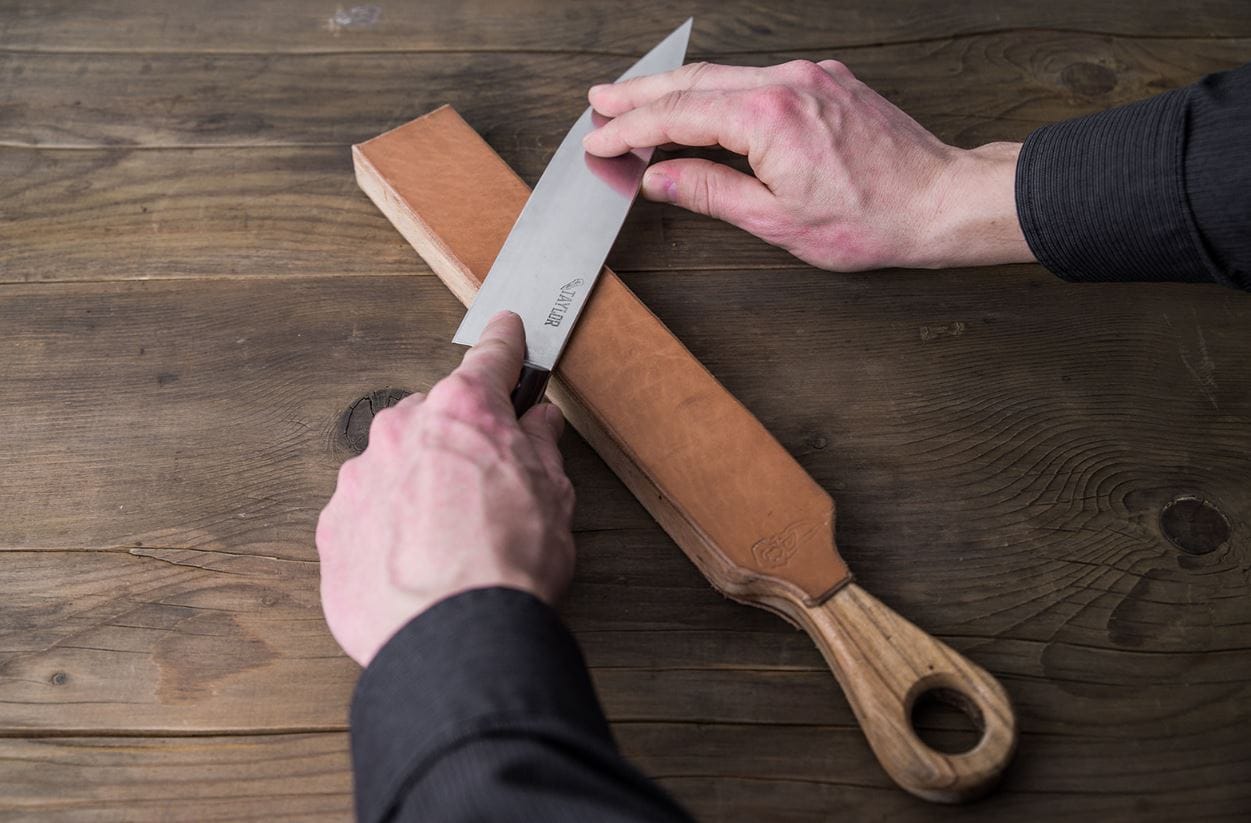
For barbers, woodworkers, and knife enthusiasts, a leather strop is an essential tool for maintaining a razor-sharp edge. However, a dirty or contaminated strop can do more harm than good, embedding grit into your blade instead of polishing it. Learning how to clean a leather strop is a critical maintenance skill that extends its life and ensures optimal performance. This comprehensive guide will walk you through the why, when, and how, helping you keep your strop in pristine condition.
Why Cleaning Your Leather Strop is Non-Negotiable
A strop works by aligning the microscopic teeth on your blade’s edge. Over time, it accumulates metal particles, dirt, oils from your skin, and old polishing compounds. A contaminated strop will no longer polish effectively and can actually dull your blade by introducing abrasives. Regular cleaning removes this debris, restores the leather’s slight draw (tackiness), and ensures you’re always getting a perfect edge.
Signs Your Leather Strop Needs Cleaning
Don’t wait for a noticeable problem. Watch for these indicators:
- Visible Shine or Dark Streaks: Metallic residue from your blade creating a polished path.
- Stiff or Glazed Leather: Loss of suppleness and a shiny, hard surface.
- Poor Performance: Your blades aren’t reaching their expected sharpness after stropping.
- Uneven Surface: Noticeable bumps, ridges, or embedded debris.
Step-by-Step: How to Clean Your Leather Strop
Important First Step: Always identify your leather type. Smooth leather (often cowhide) and rough-out/suede side (like cordovan) require slightly different care.
What You’ll Need:
- Soft, lint-free cloth (microfiber is ideal)
- Mild saddle soap or glycerin soap
- Lukewarm water
- Clean sponge or soft brush
- Leather conditioner (optional, for after deep cleaning)
The Gentle Cleaning Process:
- Dry Brush: Vigorously rub the leather surface along its length with a clean, dry brush or cloth. This removes loose metal filings and surface dust.
- Damp Wipe: Dampen a cloth with lukewarm water and wring it out thoroughly. Wipe the strop firmly along the grain. Avoid soaking the leather.
- For a Deeper Clean (Using Saddle Soap):
- Create a light lather with saddle soap and a damp sponge.
- Apply in a thin, even layer along the grain of the leather.
- Wipe off any excess soap immediately with a damp cloth.
- Crucial: Let the strop dry naturally, away from direct heat, for 12-24 hours. Do not use it while damp.
- Conditioning (If Needed): After a deep clean, the leather may feel dry. Apply a tiny amount of a dedicated leather conditioner (like neatsfoot oil or a cream) once fully dry. Buff it in thoroughly and let it absorb. Less is more.
Cleaning Strops with Embedded Compound
Many strops use abrasive compounds (green, white, red, black). Cleaning these requires removing the old compound first.
- Strip the Old Compound: Use a dull knife blade or a specific strop cleaning block held at a 90-degree angle. Scrape firmly along the grain to lift off the waxy compound layer.
- Follow with Saddle Soap: Clean as described above to remove compound residue.
- Re-apply Compound: Once bone dry, re-apply your chosen compound evenly.
Comparison of Leather Strop Cleaning Methods
| Method | Best For | Pros | Cons | Frequency |
|---|---|---|---|---|
| Dry Cloth/Brush Wiping | Daily/Weekly maintenance | Quick, no drying time, removes loose debris | Superficial clean | After every few uses |
| Damp Cloth Wiping | Monthly maintenance | Removes light grime, no product residue | Less effective for built-up grime | Every 2-4 weeks |
| Saddle Soap Clean | Deep quarterly cleaning | Removes oils, deep debris, restores leather | Requires long drying time, can dry leather | Every 3-6 months |
| Conditioning | Restoring dry leather | Replenishes oils, prevents cracking | Over-application can ruin draw | Only when leather feels dry |
What NOT to Do: Common Strop Cleaning Mistakes
- Don’t use household cleaners. Alcohol, vinegar, or dish soap can strip natural oils and damage fibers.
- Don’t soak or oversaturate. Leather is skin. Excessive water causes warping, cracking, and mildew.
- Don’t use heat to dry. Hairdryers or radiators will bake and brittle the leather.
- Don’t over-condition. An oily strop has no “draw” and is ineffective.
FAQ: Your Leather Strop Cleaning Questions Answered
Q: How often should I clean my leather strop?
A: Perform a dry wipe-down after every few uses. A deep clean with saddle soap is typically needed only 2-4 times a year, depending on use.
Q: Can I use rubbing alcohol to disinfect my strop?
A: It’s not recommended. Alcohol is extremely drying. For sanitation, a slightly damp cloth is sufficient. Leather’s dense structure is not hospitable to most bacteria.
Q: My strop has nicks and cuts. Can cleaning fix it?
A: Cleaning won’t repair physical damage. You can lightly sand very minor nicks with high-grit sandpaper (600+ grit) after cleaning. Deep cuts may require strop replacement.
Q: Should I clean both sides of a two-sided strop?
A: Yes, but treat each side according to its surface type (smooth vs. rough) and any compound applied.
Conclusion
Properly cleaning your leather strop isn’t just about hygiene; it’s about preserving your investment and guaranteeing a perfect edge every time. By incorporating simple dry wiping into your routine and performing a dedicated clean a few times a year, you’ll extend the life of your strop by years and ensure your blades are always performance-ready. A well-maintained strop is the secret weapon of every sharpening maestro. Give yours the care it deserves, and it will reward you with a flawless edge, stroke after stroke.