How to Remove Cat Urine from Leather: A Step-by-Step Rescue Guide
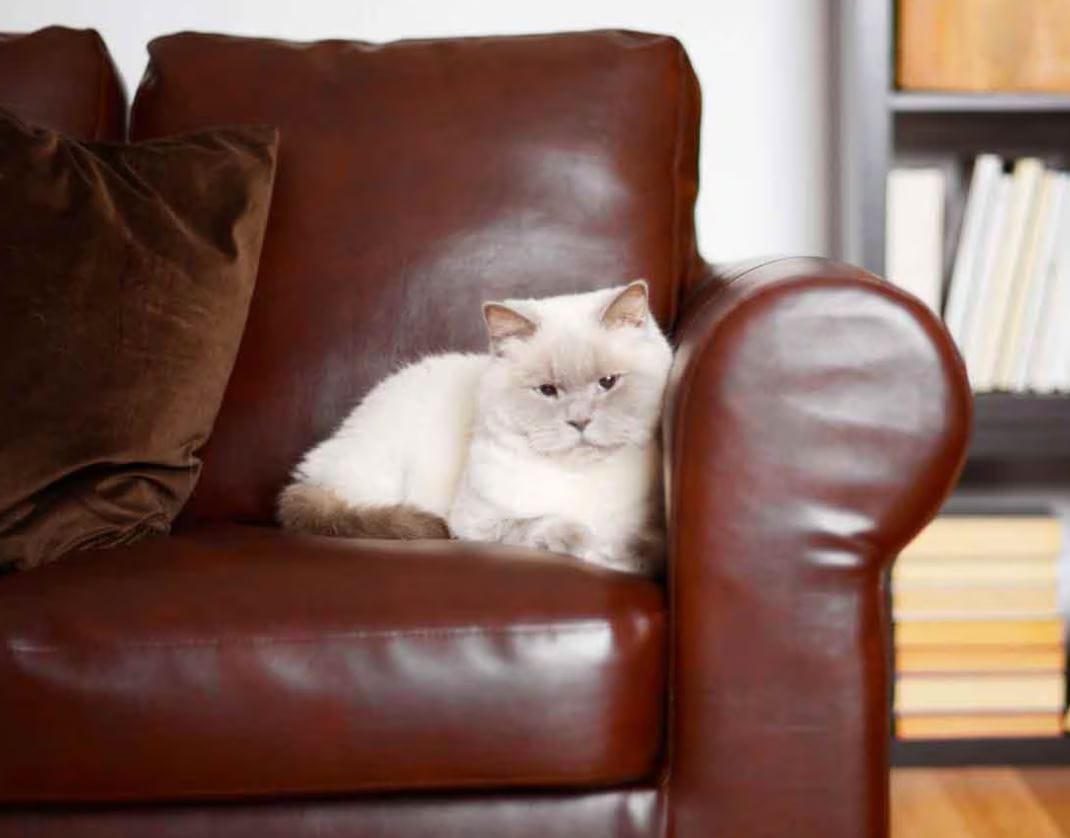
Discovering cat urine on your expensive leather couch, jacket, or car seats is a heart-sinking moment. Unlike fabric, leather is porous and absorbent, and its delicate finishes can be easily damaged by both the urine and harsh cleaners. If not treated correctly, the odor and stain can become permanent.
This comprehensive guide will walk you through the safe, effective, and vet-approved methods to remove both the stain and the stubborn smell of cat urine from leather. We’ll also cover what NOT to do, and compare different cleaning solutions to help you choose the best one.
Immediate Action: What to Do First (The Golden Hour)
Time is critical. The faster you act, the better your chances of complete removal.
- Blot, Don’t Rub: Use a clean, dry, absorbent microfiber cloth or paper towel. Gently press down and blot to soak up as much liquid as possible. Rubbing will push the urine deeper into the leather pores.
- Remove Covers: If the item has removable leather cushions or covers, take them off carefully to prevent the urine from soaking through to the filling.
- Identify the Type of Leather: Is it aniline (soft, porous), semi-aniline, or protected/finished leather (has a protective coating)? More porous leather requires gentler treatment. Check the manufacturer’s tag or a hidden spot.
Why Cat Urine is So Damaging to Leather
Understanding the enemy helps you fight it. Cat urine contains:
- Urea: Yellowish and can stain.
- Urochrome: The pigment that gives urine its color.
- Uric Acid: The real culprit. It forms hard, odor-locking crystals that don’t dissolve in water alone. These crystals reactivate with moisture, causing the smell to “come back” long after you think it’s gone.
Step-by-Step Cleaning Protocol
Follow these steps meticulously for the best results.
Step 1: Initial Cleaning & Neutralization
You must neutralize the uric acid crystals. A 1:1 solution of white vinegar and cool water is a safe, effective start for most finished leathers.
- Test in an inconspicuous area first (like a back or bottom edge).
- Lightly dampen a microfiber cloth with the solution—never pour it on.
- Gently blot the stained area. Don’t soak the leather.
- Blot dry with a second clean, dry cloth.
Step 2: Enzymatic Cleaner – The Ultimate Weapon
For lingering odor, an enzymatic cleaner is non-negotiable. These contain live bacteria that literally “eat” the uric acid crystals.
- Choose a cleaner safe for leather, or test carefully.
- Apply as directed, usually by spraying or dabbing.
- Allow it to dry completely—this can take 24-48 hours. The enzymes need time to work.
- Do not rinse or wipe it off during this time unless instructions say to.
Step 3: Odor Removal & Deodorizing
After the area is clean and dry, any remaining mild scent can be addressed.
- Baking Soda Paste: For tough odors on durable leather, make a paste with baking soda and a few drops of water. Apply a thin layer, let it sit for a few hours, then wipe away gently with a damp cloth. (Test first on colorfastness).
- Commercial Leather Deodorizer: Use a product designed for leather to refresh the surface.
Step 4: Conditioning & Aftercare
Cleaning strips leather of its natural oils. Conditioning is mandatory to prevent cracking.
- Once the area is 100% dry, apply a high-quality leather conditioner.
- Buff gently with a clean cloth to restore luster.
Cleaning Solution Comparison Table
Not all cleaners are created equal. Here’s a quick guide to your options.
| Solution | Best For | Pros | Cons | Safety for Leather |
|---|---|---|---|---|
| White Vinegar & Water (1:1) | Initial neutralization of acid, light stains. | Cheap, non-toxic, breaks down urea. | Doesn’t destroy uric acid crystals; strong smell. | Generally Safe on finished leather. Test first. |
| Commercial Enzymatic Cleaner | Eliminating odor at the source (uric acid). | Destroys odor-causing crystals; biologically active. | Requires longer dry time; some formulas are costly. | Check Label. Many are safe; always test. |
| Baking Soda Paste | Absorbing lingering, surface-level odors. | Excellent natural deodorizer; readily available. | Can be drying; messy; may lighten some dyes. | Use with Caution. Test for color transfer. |
| Rubbing Alcohol (Diluted) | Disinfecting and lifting fresh stains. | Evaporates quickly, disinfects. | Very drying; can strip dyes and finishes. | Risky. Use only as a last resort on small spots. |
| Specialist Leather Cleaner | General cleaning and maintenance after treatment. | pH-balanced for leather; contains conditioners. | Not formulated to target uric acid specifically. | Very Safe. Ideal for final cleaning/conditioning. |
The “Never Ever” List: What NOT to Do
- ❌ Never Use Ammonia or Bleach: Ammonia smells like cat urine and may encourage re-soiling. Bleach destroys leather and is toxic.
- ❌ Avoid Steam or Heat: High heat (steam cleaners, hair dryers) will set the stain and odor permanently into the leather.
- ❌ Don’t Soak the Leather: Leather is skin. Oversaturation causes warping, discoloration, and can damage the backing.
- ❌ Skip the Dish Soap or Harsh Detergents: These strip natural oils, leave residues, and can cause discoloration.
FAQ: Your Urgent Questions, Answered
Q: The smell came back after cleaning. Why?
A: This is the tell-tale sign of uric acid crystals reactivating. You likely skipped or inadequately applied an enzymatic cleaner. Go back and use one now.
Q: Can I use this method on suede or nubuck leather?
A: Extreme caution. These are more delicate. Blot immediately, use a suede-specific enzymatic cleaner if possible, and consider consulting a professional leather cleaner.
Q: What if the stain is already old and set?
A: The process is the same, but repetition and patience are key. You may need multiple applications of enzymatic cleaner. For antique or valuable pieces, professional restoration is the safest bet.
Q: How do I stop my cat from doing this again?
A. Address the root cause: rule out medical issues (UTI) with a vet, ensure litter boxes are clean and plentiful, and use an enzymatic cleaner on the original accident spot to remove the scent marker that draws them back.
When to Call a Professional Leather Cleaner
Seek professional help if:
- The leather is antique, expensive, or an especially delicate type (e.g., aniline).
- The stain is large, old, or has been improperly treated before.
- You’ve tried the methods above without success.
- You don’t have the time or confidence to do it yourself.
Conclusion: Act Fast, Act Smart
Saving leather from cat urine is a race against time and chemistry. The winning formula is: Blot Immediately → Neutralize with Vinegar → Destroy Crystals with Enzymes → Condition Thoroughly. By following this structured guide, using the right tools from our comparison table, and avoiding common pitfalls, you can rescue your cherished leather item and make that unpleasant odor a thing of the past.