How to Remove Denim Stains from Leather: The Ultimate Guide
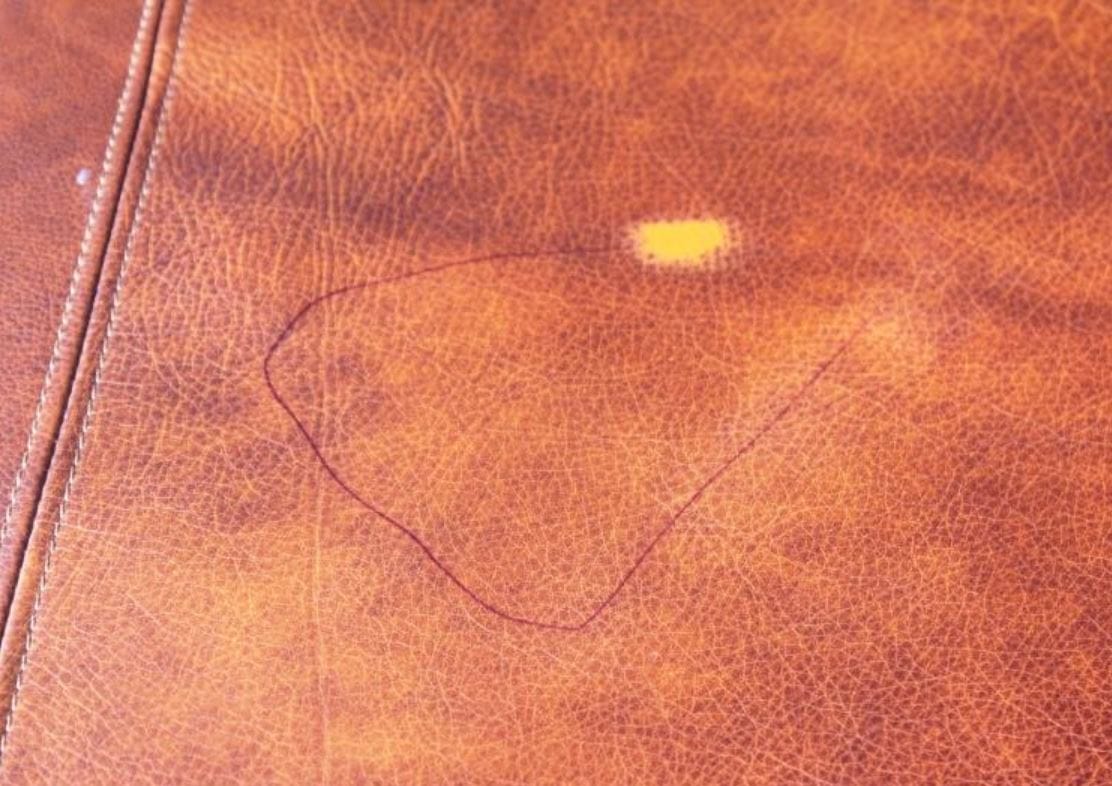
Denim stains on leather are a common yet frustrating problem. Whether it’s your favorite leather car seats, a cherished handbag, or a stylish jacket, that blue or indigo transfer can make your premium leather look worn and dirty. This comprehensive guide will walk you through proven, safe methods to remove denim stains from leather, ensuring your items look pristine for years to come.
Why Does Denim Stain Leather?
Denim, especially new or dark wash jeans, contains excess dye that isn’t fully set. This dye can transfer onto porous surfaces through friction and moisture (like sweat). Leather, being a natural, porous material, easily absorbs these pigments, leading to those stubborn blue or gray streaks.
Pre-Cleaning Steps: The Essential First Moves
Before you start any cleaning process, follow these critical preliminary steps:
- Identify Your Leather Type: Check the care tag. Is it aniline, semi-aniline, protected, suede, or nubuck? Methods vary drastically.
- Spot Test: Always test any cleaner on a small, inconspicuous area first (like a back seam or underneath).
- Gently Dust: Use a soft, dry microfiber cloth to gently remove any surface debris from the stained area.
- Act Quickly: Fresh stains are easier to remove than set-in ones.
Method Comparison: Choosing the Right Solution
The best method depends on the severity of the stain and your leather type. Use this table to quickly identify your best starting point.
| Stain Severity | Leather Type | Recommended Method | Key Ingredient | Risk Level |
|---|---|---|---|---|
| Light, Fresh Transfer | All Protected/Finished Leather | 1. Mild Soap Solution | pH-Neutral Soap | Low |
| Moderate, Set-In Stains | Aniline, Semi-Aniline, Protected | 2. Vinegar Solution | White Vinegar | Medium |
| Stubborn, Old Stains | Avoid on Suede/Nubuck | 3. Rubbing Alcohol | 70% Isopropyl Alcohol | Medium-High |
| For Suede & Nubuck | Suede, Nubuck Only | 4. Specialized Brushing | Suede Eraser & Brush | Low (if done gently) |
| Professional-Level | All Types, Especially Valuables | 5. Leather Cleaner/Conditioner | Commercial Product | Low |
Step-by-Step Removal Methods
Method 1: The Mild Soap Solution (Best for Light Stains)
This is the safest first attempt for most finished leathers.
What You’ll Need:
- Distilled water
- pH-neutral soap (like Castile or baby shampoo)
- Two soft microfiber cloths (one damp, one dry)
Process:
- Mix a few drops of soap into a cup of distilled water.
- Dampen one cloth in the solution and wring it out until it’s only slightly moist.
- Gently blot the stain—never scrub—working from the outside in.
- Wipe the area immediately with the dry cloth to absorb moisture and dye.
- Let it air dry away from direct heat.
Method 2: The Vinegar Solution (For Moderate Stains)
The mild acidity in vinegar can help break down dye particles.
Process:
- Mix equal parts white vinegar and distilled water.
- Follow the same blotting technique as Method 1.
- Crucial: After cleaning, wipe the area with a cloth dampened only with distilled water to remove any vinegar residue.
- Dry thoroughly.
Method 3: Using Rubbing Alcohol (For Stubborn Stains)
Warning: This method can dry out leather. It should be a last resort before professional help and must be followed by conditioning.
Process:
- Use 70% isopropyl alcohol. (Higher concentrations are too harsh.)
- Apply a tiny amount to a cotton ball or microfiber cloth.
- Blot the stain with minimal pressure. You should see the dye transfer onto the cotton.
- Stop immediately if the leather’s color shows signs of lifting.
- Condition Immediately: Once dry, apply a high-quality leather conditioner to restore moisture.
Method 4: For Suede and Nubuck
Never use liquids as a first step on suede. It can worsen the stain.
Process:
- Use a specialized suede eraser. Gently rub the stain in a circular motion.
- Follow with a suede brush to restore the nap (the textured surface).
- For persistent stains, a dry-cleaning solvent designed for suede may be used, following product instructions carefully.
Method 5: Commercial Leather Cleaners
For best results, use products specifically formulated for leather care.
How to Choose:
- Pick a product matched to your leather type.
- Look for brands known for quality (e.g., Leather Honey, Bickmore, Angelus).
- Always follow the manufacturer’s instructions.
The Golden Rules: What NEVER to Do
- ❌ Never use household cleaners like bleach, ammonia, or all-purpose sprays.
- ❌ Avoid excessive water. It can seep into the leather, causing water stains or damage to the backing.
- ❌ Don’t scrub aggressively. This pushes dye deeper and damages the leather’s grain.
- ❌ Avoid heat sources like hairdryers or radiators for drying. Use air drying only.
- ❌ Don’t skip the conditioner after using drying agents like alcohol.
Prevention: How to Stop Denim Transfer Before It Starts
- Pre-Wash New Jeans: Always wash new dark denim 2-3 times before wearing it against leather.
- Create a Barrier: Use a towel or seat cover on leather car seats if you wear raw denim frequently.
- Regular Conditioning: Well-conditioned leather has a better-protected surface, making it less absorbent.
- Act Fast: Wipe fresh transfer stains immediately with a dry cloth.
When to Call a Professional
Seek professional leather cleaning services if:
- The stain is extensive or very old.
- The leather is highly valuable or antique.
- You’ve tried gentle methods without success.
- The leather is a delicate type (e.g., aniline, velour).
Final Thoughts
Removing denim stains from leather is often a simple process of using the right gentle technique for your specific leather type. By starting with the mildest solution (soap and water) and moving to stronger methods only as needed, you can preserve both the beauty and integrity of your leather goods. Regular care and prevention will keep your leather—and your denim—looking their best.