The Ultimate Guide: How to Clean Calcium Deposits from Pool Tile
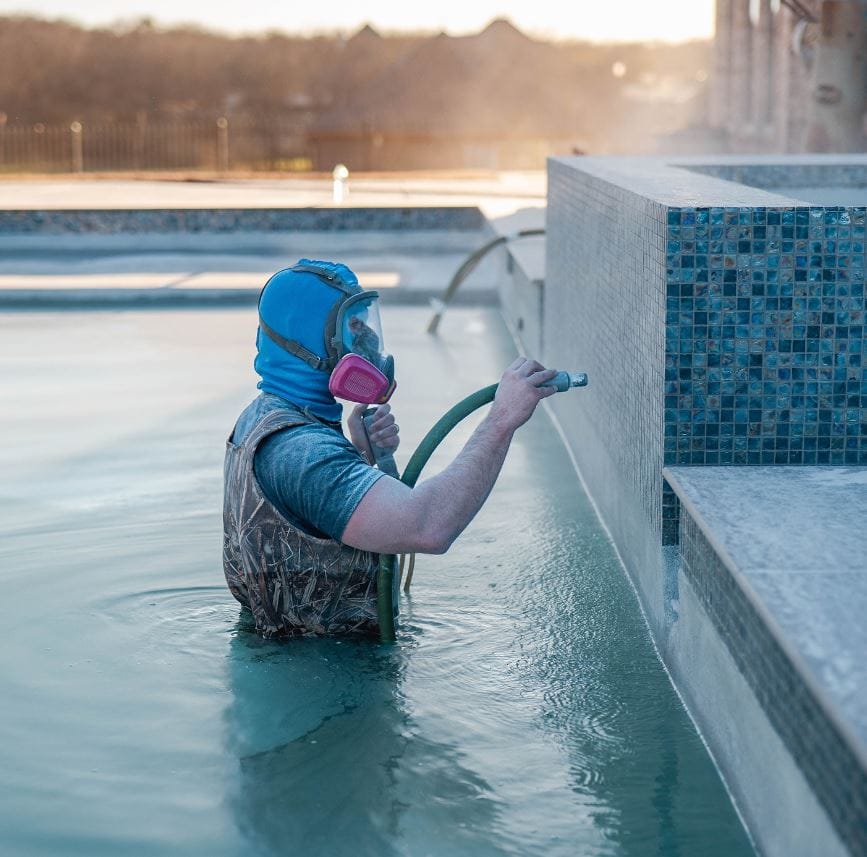
If you’ve noticed a crusty, white, or grayish film building up along your pool’s waterline tile, you’re dealing with calcium deposits—also known as scale or lime scale. This common pool problem occurs when dissolved calcium in the water precipitates out and bonds to surfaces. High pH, high calcium hardness, high alkalinity, and water evaporation all contribute to this frustrating buildup. Not only are these deposits unsightly, but if left untreated, they can become increasingly difficult to remove and can even damage tile surfaces over time.
The good news? With the right knowledge and tools, you can restore your pool tile to a sparkling, like-new condition, or let Pools Etc. handle it for you. This comprehensive guide will walk you through the most effective methods, from gentle daily maintenance to heavy-duty solutions for severe scale.
Step-by-Step: How to Remove Calcium Deposits from Pool Tile
Method 1: The Pumice Stone (For Light to Moderate Buildup)
A natural, abrasive pumice stone is excellent for scrubbing away scale without scratching most tile types.
- Lower the pool water level just below the stained area.
- Wet the tile and the pumice stone.
- Scrub gently in a circular motion. The scale should crumble away.
- Rinse the area thoroughly.
Note: Test on an inconspicuous area first. Not recommended for soft, glossy, or acrylic surfaces.
Method 2: The Vinegar Solution (Chemical-Free & Eco-Friendly)
White vinegar’s mild acidity dissolves calcium carbonate effectively.
- Drain water below the deposits.
- Soak rags or paper towels in white household vinegar (5% acidity).
- Press them directly onto the scaled tile and let them sit for 15-30 minutes.
- Scrub with a non-abrasive brush and rinse.
*For tougher jobs, use a 50/50 mix of vinegar and water in a spray bottle, let it foam, then scrub.*
Method 3: Muriatic Acid Wash (For Stubborn, Heavy Deposits)
A last-resort solution for severe scaling. EXTREME CAUTION REQUIRED.
- SAFETY FIRST: Put on gloves, goggles, and acid-resistant clothing. Work in a well-ventilated area.
- Dilute the acid: Always add acid to water, never vice versa. A common pool cleaning ratio is 1 part muriatic acid to 10 parts water.
- Apply carefully with a spray bottle or acid brush only to the stained areas.
- Let it fizz for no more than 30 seconds, then immediately rinse thoroughly with a hose.
- Neutralize any runoff with baking soda.
Comparison of Calcium Removal Methods
| Method | Best For | Cost | Effort Level | Safety & Risks | Effectiveness (1-10) |
|---|---|---|---|---|---|
| Pumice Stone | Light, fresh deposits | $ | Medium (Physical Labor) | Low risk of scratching tile | 7 |
| White Vinegar | Light to moderate, eco-friendly cleaning | $ | Low to Medium | Very Safe, no fumes | 6 |
| Commercial Scale Remover | Moderate buildup, convenience | $$ | Low | Moderate; use gloves/ventilation | 8 |
| Muriatic Acid Dilution | Heavy, stubborn scale | $ | High (Extreme Caution) | HIGH RISK; corrosive fumes | 10 |
Commercial Products vs. Household Remedies
| Product Type | Pros | Cons | Top Brand Examples |
|---|---|---|---|
| Household (Vinegar) | Non-toxic, inexpensive, readily available | Weaker, may require multiple applications | Heinz, Great Value |
| Tile & Grout Cleaner | Formulated for surfaces, often less harsh | Can be costly for large areas | CLR, Lime-A-Way |
| Professional Pool Scale Remover | Highly effective, often pH-neutral | Most expensive option | Bio-Dex Scale Remove, Jack’s Magic |
Prevention is Key: How to Stop Calcium Deposits Before They Start
Fighting scale is a battle best won through prevention. Consistently maintaining your pool’s chemical balance is the single most effective strategy.
- Test Weekly: Keep these levels in their ideal ranges:
- pH: 7.4 – 7.6
- Total Alkalinity: 80 – 120 ppm
- Calcium Hardness: 200 – 400 ppm (for plaster pools)
- Use a Scale Inhibitor: Regularly add a quality scale or stain preventer. These sequester minerals, keeping them dissolved in the water.
- Regular Brushing: Weekly brushing of the tile line prevents nascent deposits from bonding firmly.
- Manage Water Level: Minimize constant evaporation at the waterline by maintaining proper levels and addressing splash-out.
FAQ: Quick Answers to Common Questions
Q: Can I use CLR on my pool tile?
A: Yes, but with caution. CLR is effective but must be rinsed thoroughly into the pool where it can be diluted and neutralized. Never let it run off onto lawn or landscaping.
Q: Will a pressure washer remove calcium deposits?
A: Sometimes, for very light scale. However, high pressure can damage grout and even chip tile. We recommend chemical dissolution (vinegar/cleaner) followed by low-pressure rinsing.
Q: How do I clean calcium off natural stone pool tile?
A: EXTRA CAUTION! Porous stone like travertine is acid-sensitive. Use the mildest method possible (pumice stone or diluted vinegar) and always test in a hidden spot first. Consider consulting a professional.
Q: Why do the deposits keep coming back?
A: This is almost always a sign of chronically imbalanced pool water chemistry. Test and adjust your pH, alkalinity, and calcium hardness levels immediately.
Final Tips for a Sparkling Finish
Always start with the gentlest method (pumice or vinegar) and work your way up to stronger acids only if necessary. Never mix cleaning chemicals (especially acid and chlorine!), as this can create dangerous toxic gases. After any acid treatment, re-test and balance your pool water.
By following this guide, you can conquer those ugly white rings and enjoy a pristine, inviting pool oasis. Consistent cleaning paired with proactive chemical management will keep your tile looking perfect all season long.