The Ultimate Guide to Removing Mold from Boat Carpet (And Keeping It Gone!)
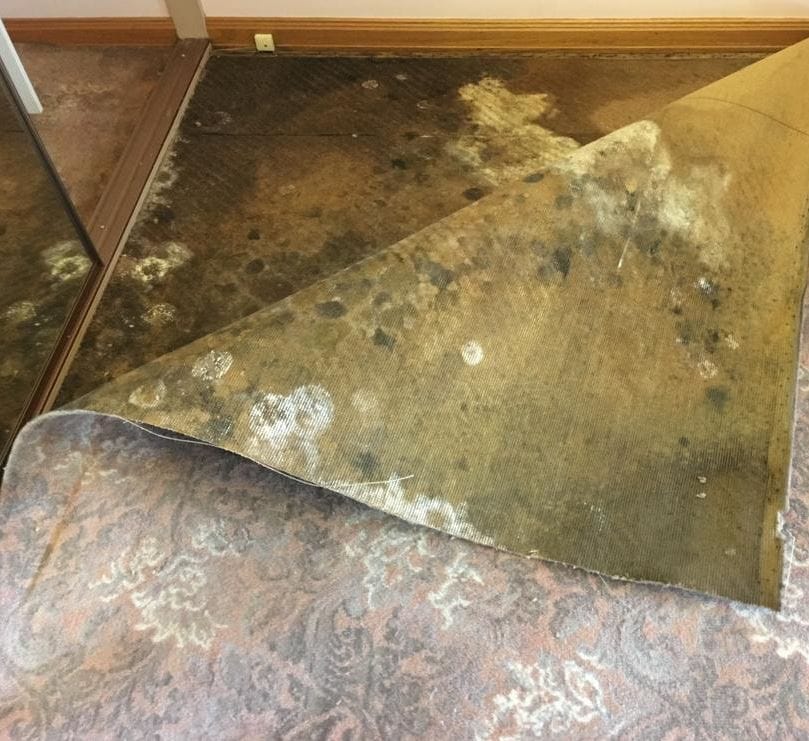
Finding mold on your boat’s carpet isn’t just unpleasant—it’s a problem that can affect your health, your vessel’s value, and your enjoyment on the water. Mold thrives in the damp, confined spaces of a boat, feeding on organic materials in carpet fibers. Left untreated, it can cause permanent stains, unpleasant odors, and even structural damage to the deck beneath. More importantly, it can trigger allergies and respiratory issues. The good news? With the right approach, you can completely eliminate boat carpet mold and prevent its return. This comprehensive guide provides proven, step-by-step methods to tackle the issue safely and effectively.
Step-by-Step: How to Clean Mold from Boat Carpet
Safety First: Always wear personal protective equipment (PPE): gloves, an N95 mask, and safety goggles. Ensure your boat is well-ventilated—open all hatches, ports, and doors.
Step 1: Dry Removal
Begin by thoroughly vacuuming the affected area with a HEPA-filter vacuum. This removes loose spores and dry surface mold, preventing them from spreading during wet cleaning.
Step 2: Choose and Apply Your Cleaning Solution
Select a cleaner based on the mold severity (see comparison table below). Apply your chosen solution generously to the moldy area. Do not oversaturate the carpet pad underneath.
- For a natural approach: Use a 50/50 mix of white vinegar and water or a 1-part hydrogen peroxide (3%) to 2-parts water solution.
- For stronger cases: Use a boat-safe commercial mold cleaner or a diluted bleach solution (1 cup bleach to 1 gallon of water). CAUTION: Never mix bleach with vinegar or ammonia.
Step 3: Scrub and Agitate
Using a stiff-bristled brush (non-metallic to avoid damaging fibers), scrub the area vigorously. This helps the solution penetrate deep into the carpet fibers to kill the mold at the root.
Step 4: Let It Dwell
Allow the cleaning solution to sit on the carpet for at least 15-20 minutes. This dwell time is critical for killing the mold spores.
Step 5: Extract and Rinse
Extract as much moisture as possible. A wet/dry vacuum is ideal. Follow by rinsing the area with clean water (a spray bottle works well) and extracting again to remove any cleaner residue.
Step 6: Dry COMPLETELY
This is the most crucial step. Mold will return if moisture remains. Use fans, dehumidifiers, and open air circulation to dry the carpet 100%. This may take 24-48 hours. If possible, dry in direct sunlight—UV light is a natural mold killer.
Mold Cleaning Solutions Comparison Table
Choosing the right cleaner is key. Here’s a breakdown of popular options:
| Solution | Ratio / Type | Best For | Pros | Cons |
|---|---|---|---|---|
| White Vinegar | 50% Vinegar / 50% Water | Light to moderate mold, preventative cleaning | Natural, non-toxic, deodorizes, inhibits future growth | Odor may linger temporarily; less effective on severe cases |
| Hydrogen Peroxide | 3% Solution (or dilute) | Mild to moderate mold, stain removal | Natural disinfectant, bleaching effect on stains | Can bleach dark carpet colors; loses potency in light |
| Baking Soda Paste | Paste with Water | Surface mold, odor absorption | Excellent for scrubbing, deodorizes, non-toxic | Less effective on deep, rooted mold infestations |
| Bleach | 1 Cup Bleach / 1 Gallon Water | Severe, non-porous surfaces & white carpets | Powerful killer, removes stains | Harsh, can damage colored carpets & fibers, fumes are dangerous |
| Commercial Boat Mold Cleaner | Ready-to-use or as directed | All levels, especially severe cases | Formulated for marine environments, often includes inhibitors | More expensive than DIY options; check for boat safety |
Prevention: How to Stop Mold from Coming Back
Cleaning is only half the battle. Preventing recurrence is essential for long-term success.
- Control Moisture: This is rule #1. Use moisture-absorbing products like DampRid or silica gel pots in enclosed cabin areas. Always fix leaks immediately.
- Maximize Airflow: After a day on the water, open all compartments and lockers. Use a boat cover that vents moisture rather than trapping it.
- Dry Before Storage: Never put a wet cover over a damp boat. Ensure everything is bone-dry before closing up for an extended period.
- Regular Vacuuming: Dirt and organic debris are food for mold. Vacuum carpets regularly.
- Use Mold Inhibitors: After cleaning, consider applying a boat-safe carpet protectant or mold inhibitor spray designed for marine use.
When to Call a Professional
Sometimes, DIY isn’t enough. Seek professional marine detailing or mold remediation if:
- The moldy area is very large (more than 10 square feet).
- Mold has penetrated deeply into the carpet backing or subfloor.
- You smell a persistent, strong musty odor indicating hidden growth.
- Mold returns quickly after thorough cleaning, suggesting a deeper moisture issue.
Conclusion
Battling boat carpet mold is a manageable task with the right knowledge, tools, and patience. By acting quickly, using an appropriate cleaner, and—most importantly—ensuring complete and rapid drying, you can restore your cabin to a fresh, healthy state. Implement the preventive measures to break the cycle of dampness and growth. A mold-free boat is a more enjoyable, valuable, and safer vessel for you, your family, and your friends.
Ready to tackle it? Start by gathering your PPE and choosing your cleaner. Your next mold-free boating adventure awaits!