How to Descale a Water Heater: A Step-by-Step Guide to Boost Efficiency & Longevity
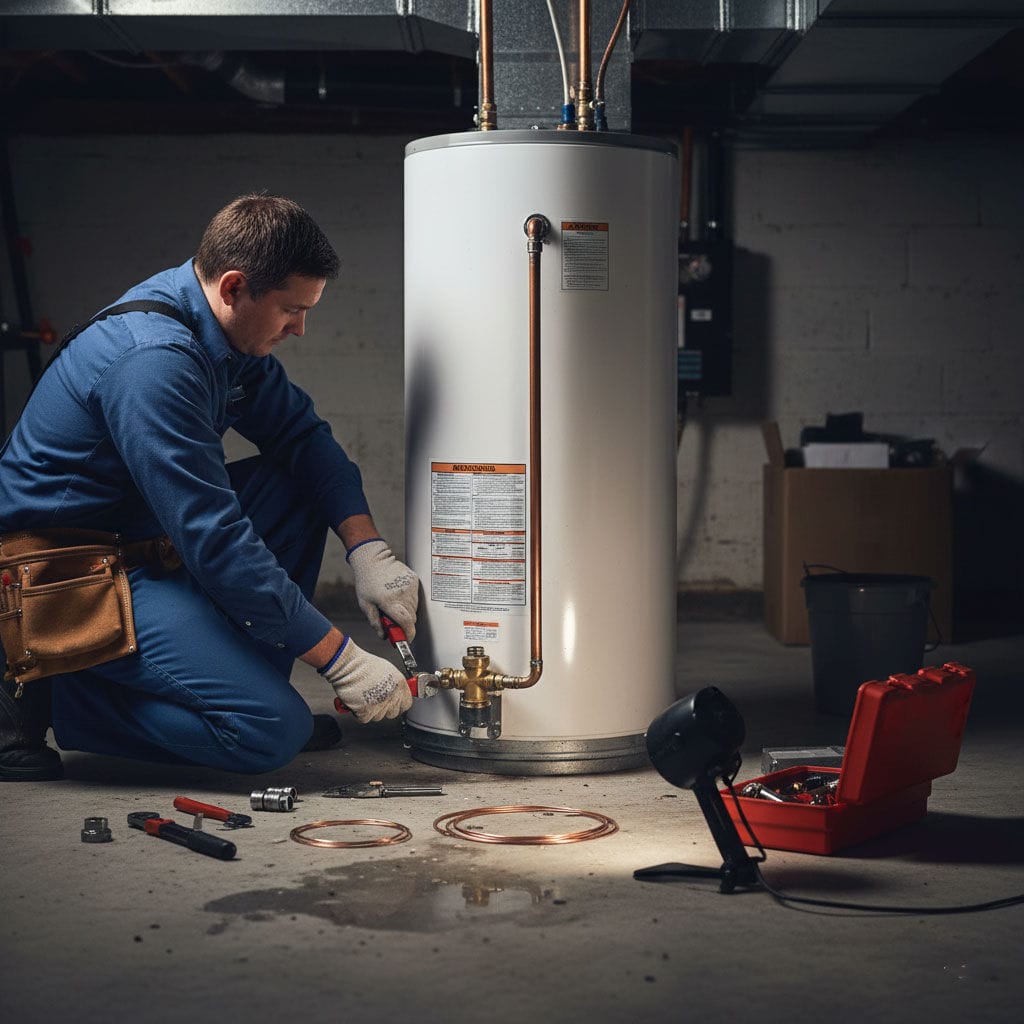
Is your hot water running out faster than usual? Are you hearing strange rumbling or popping sounds from your water heater? These are classic signs of sediment buildup, a common issue that can drastically reduce your appliance’s performance and lifespan.
Descaling, or flushing, your water heater is one of the most important maintenance tasks a homeowner can perform. This guide will walk you through the entire process safely and effectively, helping you restore your water heater’s efficiency and prevent costly repairs.
Why Descaling is Non-Negotiable
Over time, minerals like calcium and magnesium, which are naturally present in water, settle at the bottom of your tank. This layer of sediment acts as an insulator, forcing the heating element to work harder and longer.
John Reynolds, a licensed master plumber, explains: “Think of sediment in your water heater like scale in a kettle, but on a much larger scale. It forces the burner or element to superheat the sediment to get hot water to the top of the tank. This not only wastes energy but creates hot spots that can prematurely fatigue the steel tank, leading to failure.”
The consequences of neglect are clear:
- Reduced Efficiency: Higher energy bills.
- Loss of Hot Water Capacity: Sediment takes up space meant for water.
- Strange Noises: Rumbling and popping from trapped steam under the sediment.
- Damage: Corrosion and leaks, resulting in an early replacement.
Step-by-Step Guide to Descaling Your Water Heater
Important Safety Warning: Always turn off the power supply to your water heater before beginning. For electric heaters, switch off the circuit breaker at the main panel. For gas heaters, turn the gas control valve to the “Pilot” setting. The water inside is extremely hot and can cause severe burns. If you are unsure at any point, contact a professional plumber.
What You’ll Need:
- Garden hose
- Flat-head and Phillips screwdrivers
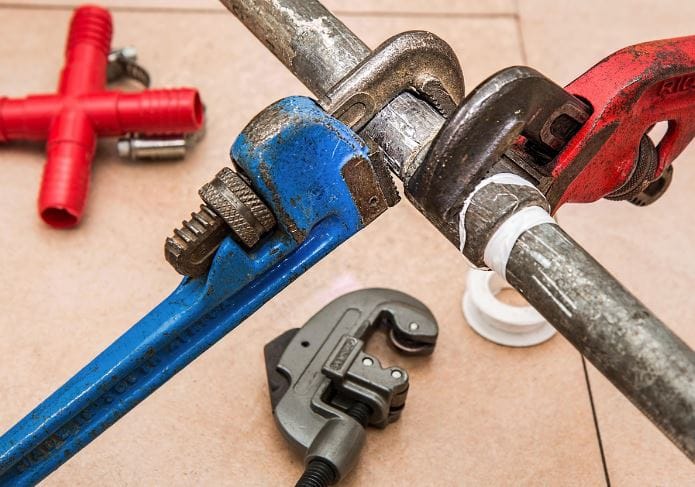
- Adjustable wrench or channel-lock pliers
- A bucket or a drain area for the hot water
- (Optional) Vinegar or a commercial descaling solution for severe buildup
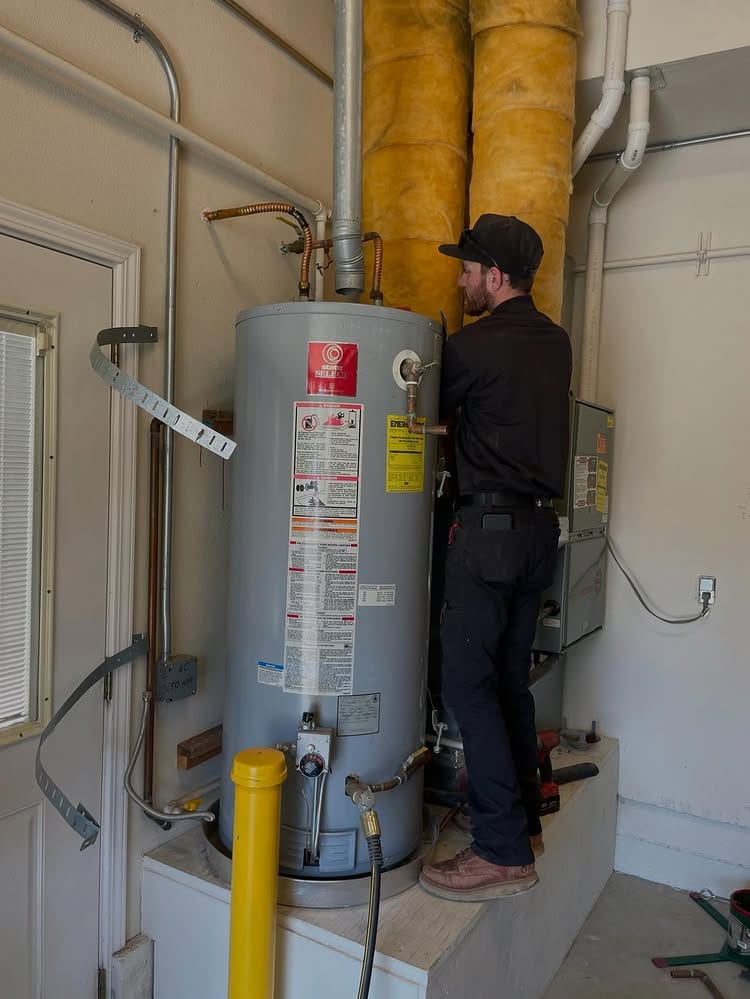
The Descaling Process:
- Turn Off Power & Water Supply:
- Power: Cut electricity at the breaker or set the gas valve to “Pilot.”
- Water: Locate the cold water inlet valve at the top of the tank and turn it clockwise to shut it off.
- Let the Water Cool: Wait at least 2-3 hours for the water in the tank to cool down to a safe temperature.
- Connect the Hose & Open the Drain Valve:
- Attach a garden hose to the drain valve at the bottom of the tank. Run the other end to a floor drain, outside, or into a bucket.
- Pro Tip: Open a hot water faucet somewhere in the house (like a sink upstairs) to break the vacuum and allow the tank to drain smoothly.
- Open the pressure relief valve on the side of the tank.
- Slowly open the drain valve (turn counterclockwise) using a screwdriver or wrench.
- Flush the Tank:
- Allow the water to drain completely. Once drained, briefly turn the cold water supply back on. This will stir up the remaining sediment. Let the water run until it appears clear coming out of the hose.
- For severe scaling, you may need a chemical flush. Close the drain valve and, using a funnel, pour 1-2 gallons of white vinegar or a commercial descaling solution into the tank via the hot water outlet or pressure relief valve opening. Let it sit for several hours or overnight, then drain and flush thoroughly with clean water.
- Restore and Restart:
- Close the drain valve and remove the hose.
- Close the pressure relief valve and the hot water faucet you opened earlier.
- Turn the cold water supply valve back on completely.
- Once water is flowing steadily from the open hot water faucet (indicating a full tank), you can turn it off.
- Restore Power: For gas heaters, turn the gas control valve back to “On.” For electric heaters, turn the circuit breaker back on.
Chemical Descalers: A Comparison
For routine maintenance, a simple flush is often enough. But for areas with extremely hard water, a chemical descaler can be a powerful ally. Here’s a quick comparison of popular options.
| Product Type | Pros | Cons | Best For |
|---|---|---|---|
| White Vinegar | Non-toxic, eco-friendly, inexpensive, readily available. | Milder acid, may require longer soaking time (overnight). | Light to moderate scale; eco-conscious homeowners. |
| Commercial Descaler | Fast-acting, highly effective on heavy scale, specifically formulated. | More expensive, contains harsh chemicals, requires careful handling. | Severe, stubborn mineral buildup; commercial settings. |
| Citric Acid Solution | Effective, less odor than vinegar, biodegradable. | Can be harder to find in large quantities, may be pricier than vinegar. | Moderate scale; those sensitive to the smell of vinegar. |
Sarah Jenkins, a home efficiency expert, advises: “While chemical descalers are effective, your first line of defense should always be an annual physical flush. Chemicals are a great solution for a problem that’s already severe, but consistent mechanical flushing can prevent you from ever needing them.”
Electric vs. Gas: Key Descaling Differences
The core process is the same, but there are critical safety distinctions.
| Step | Electric Water Heater | Gas Water Heater |
|---|---|---|
| Powering Down | MUST turn off at the circuit breaker. Elements can burn out if powered on without water. | Turn the gas control knob to the “Pilot” setting. |
| Post-Flush Restart | Ensure the tank is completely full before restoring power to the breaker. | You can turn the gas back to “On” immediately after refilling the tank. |
| Element Inspection | Accessible elements can be removed and descaled separately for a deeper clean. | Not applicable. |
Conclusion: A Small Task with Big Rewards
Descaling your water heater is a straightforward DIY task that takes about an hour but pays dividends for years. By incorporating this simple annual maintenance into your routine, you’ll enjoy lower utility bills, a more reliable supply of hot water, and a significantly longer life for your appliance.
Don’t wait for the rumbling to start. Schedule your water heater descaling today and give your home’s unsung hero the care it deserves.