Eco-Friendly Plumbing Solutions for Sustainable Living
Want to save money and the environment?
We all want to live more sustainably, but it can be difficult to know where to start. Plumbing is one of the easiest places to make a big impact, yet most people never think about it. With water becoming scarcer and utilities more expensive, the time for green plumbing solutions has never been greater.
Here is a no-nonsense guide to the best eco-friendly plumbing solutions that will make a real difference today. Forget the gimmicks – here are the real-world technologies you can use to make your home more sustainable.
What you will learn:
- Why green plumbing is more important than ever
- Water efficient plumbing
- Grey water recycling
- Smart leak detection technology
Why green plumbing is more important than ever
It’s simple. Americans use an average of 400 gallons of water per day, and 70% of that indoor use. The problem is we waste far too much water.
Leaks alone can waste up to 180 gallons per week in the average family home, totaling 9,400 gallons per year per household. Multiply that by 130 million homes and it’s no wonder buildings consume 47 billion gallons daily nationwide.
Green plumbing services help combat this crisis. When homeowners need a plumber in Adelaide or anywhere else, eco-friendly solutions are a win-win for the planet and your pocketbook. Expertise in green plumbing technologies will dramatically reduce your water waste while still meeting your performance needs.
Water efficient plumbing
Water-efficient plumbing fixtures are the low-hanging fruit. They cost relatively little and can easily be retrofitted in any home.
Low-flow toilets can use as little as 1.6 gallons per flush compared to wasteful 3.5-7 gallon models of the past. Some brands even offer dual-flush toilets with two flush settings for maximum savings.
New showerheads flow at 2.5 GPM or less, which doesn’t feel like a compromise. Every old showerhead you replace saves 2,900 gallons annually.
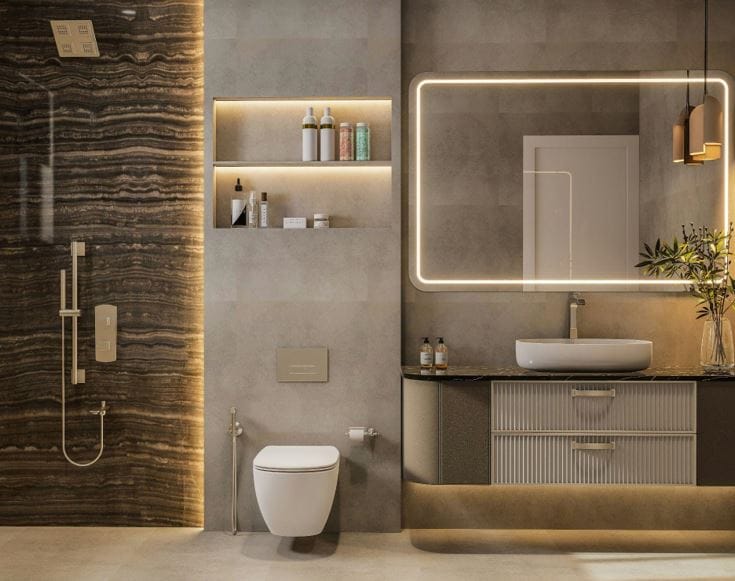
You’d be surprised how premium and stylish the latest water efficient fixtures look and feel. The real bonus? All this while racking up savings on your water bill.
Grey water recycling
Ok, this gets interesting…
Greywater systems capture the “gently used” water from bathroom sinks, showers, and laundry. Instead of treating this water as waste, it gets filtered and reused around the home.
Businesses reap the rewards here. Hotels, offices, apartment complexes can slash their water consumption 30-40% with a greywater recycling system.
How? Collected water goes through basic filtration before being stored for garden irrigation and toilet flushing.
Note that this is separate from your potable (drinkable) water plumbing. You can’t drink greywater, but it doesn’t have to go to waste.
Smart leak detection technology
Prevent leaks and save water?
Absolutely! Smart leak detectors use cutting edge sensor technology to keep you informed. They send alerts right to your smartphone the moment they detect abnormal water flow.
The cool thing about these systems is they’re monitoring your water 24/7. Modern units even detect slow leaks as tiny as a few drops per minute.
Flo by Moen and LeakSmart are two of the best-known brands. Installation is easy, and they often integrate with home automation platforms.
On a national level, early leak detection would nip the 900 billion gallons lost annually from household leaks in the bud.
Rainwater harvesting
Rainwater harvesting systems make sense when you think about it.
These set-ups collect rainwater from your roof, storing it for later use around the property. Urban homeowners are using these systems for garden irrigation and non-potable indoor functions.
Rainwater harvesting is easy to do. Gutters direct rainwater from the roof into a storage tank after filtration. Pumps distribute the water as required.
Homeowners typically see 20-30% savings on their water bills after installation.
Solar water heating
You probably didn’t realize…
Water heating makes up 25% of home energy usage. Solar water heaters use the power of the sun to heat water. This cuts energy bills and supports a more sustainable future.
Solar water heaters use solar collectors to capture sunlight and transfer heat to a storage tank full of water. They even work on overcast days!
Solar water heating is a great complement to other green plumbing solutions.
Advanced pipe materials for green plumbing
Believe it or not, not all pipes are the same.
PEX piping has far better sustainability credentials than traditional materials like copper. PEX requires less energy to manufacture and is longer lasting than its copper rival.
Recycled content pipes take this a step further. Some manufacturers produce pipes made of up to 50% recycled materials without compromising on durability or performance.
Smart irrigation and outdoor water management
Don’t forget about the great outdoors…
Water use spikes during the summer as we water our gardens and lawns. Smart irrigation controllers adjust watering schedules based on real-time weather and soil moisture data.
These systems help you avoid overwatering while keeping your landscape healthy and green. It’s a win-win.
Smart controllers can reduce irrigation water use up to 30%, which equals 15,000 gallons of savings each year.
Green plumbing solutions: financial benefits
Ok, let’s talk money.
Eco-friendly plumbing solutions pay for themselves through savings on monthly utility bills. The average family spends over $1,000 per year on water costs but can save $380/year by going efficient.
WaterSense labeled products all have at least 20% better efficiency than standard models. That means better performance using far less water.
Many utilities offer rebates and incentives for eco-friendly plumbing solutions. It’s common to see 20-50% of the installation costs covered.
Professional installation
It’s the one thing people often forget…
Professional installation is the key to unlocking full performance from your eco-friendly plumbing system. Skilled plumbers know how to properly size, place, and integrate green technologies.
DIY can go wrong because homeowners are unaware of specialized requirements like water pressure compatibility and code regulations.
Professional plumbers also offer maintenance tips and warranty support.
Regional opportunities and incentives
Location, location, location…
Some areas of the country offer much greater incentives for water conservation technologies and systems. Drought-stricken regions like California and the southwest have mandated significant improvements.
Solar water heating and greywater systems are subsidized with generous rebates in places like the Pacific Northwest.
Conclusion
Green plumbing solutions offer the best of both worlds – environmental protection and financial savings. Simple fixture replacements, smart leak detection and greywater systems can all have a massive impact on your home’s water footprint.
Start with simple upgrades to water efficient fixtures and add more advanced systems over time. Budget permitting, professional installation ensures maximum performance from your green upgrades. Choose plumbers who specialize in the latest green technologies.
Key takeaways:
- Water efficient fixtures cut water use without compromising performance
- Leak detection systems prevent waste and costly damage
- Greywater systems can use existing resource more effectively
- Solar heating saves energy and supports the environment
Your green plumbing journey starts today. The future of plumbing is all about going green, conserving water and saving money. So make the switch and enjoy the difference.