
Signs You Need a Roof Replacement: Don’t Wait Until It’s Too Late
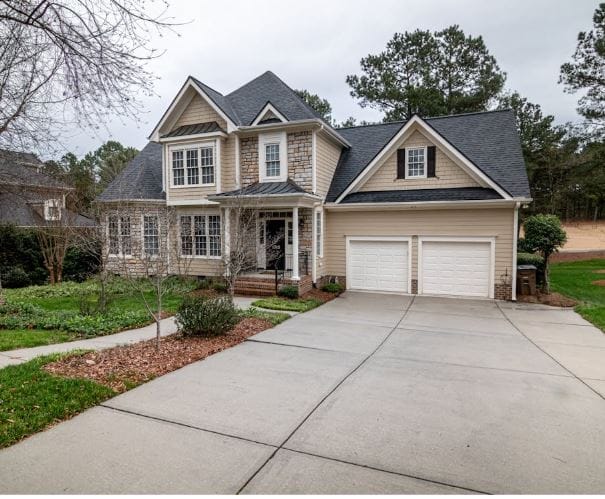
Your roof is a critical component of your home, acting as the first line of defense against the elements. It can succumb to wear and tear, weather damage, and other factors that may necessitate a replacement. Knowing the signs that indicate your roof may need to be replaced can save you from expensive repairs and potential home damage in the future. Here are several key indicators to watch for that signal it’s time to replace your roof.
Age of Your Roof
The age of your roof is a fundamental factor in determining its condition. Most asphalt roofs last around 20 years, while metal roofs can last 40 to 70 years. If your roof is reaching or surpassing its expected lifespan, it’s crucial to evaluate its state. Look for signs of sagging, missing shingles, and granule loss.
Regular inspections can help assess the need for replacement as your roof ages. Remember, proactive measures now can prevent future headaches and costs. As the wear and tear become evident, don’t hesitate to contact Triple R Roofing or other professionals to schedule a thorough inspection. Your home deserves the best protection.
Shingle Damage
Shingle damage is another major sign that your roof may need replacement. If you notice cracked, curled, or missing shingles, it’s a clear indicator that your roof is not performing effectively. Damaged shingles cannot adequately protect your home from rain and snow, leading to leaks and further deterioration.
Pay attention to the condition of your roof after severe weather events, as strong winds can displace shingles. A routine check-up is important to catch these issues early. Excessive granule loss in your gutters may signal that your shingles are deteriorating. Don’t ignore these signs; addressing them promptly is important.
Interior Signs of Damage
While exterior inspections are important, interior checks can reveal vital information about your roof’s health. Look for signs such as water stains on your ceilings or walls, mildew, or mold in your attic or upper floors. These signs indicate that water is penetrating your roof systems, which can lead to serious structural issues. Musty odors can suggest hidden leaks, which may not be visible until significant damage occurs. If you notice any of these signs, it’s important to take action towards assessment and potential replacement immediately. Inspections can catch issues that are not widely visible from the exterior.
Presence of Moss and Algae
Moss and algae growth on your roof can be indicative of a few underlying issues. Firstly, they can trap moisture against the roof, causing damage. While not all roofs are structurally compromised due to moss or algae, these organisms signal that your roof may not be ventilating properly.
If you see this growth, take the time to investigate your roof’s drainage and ventilation systems. Ignoring these issues can lead to more significant problems and necessitate a replacement sooner than anticipated. Always ensure that your roof remains clean and well-maintained.
Flashing Issues
Flashing is the material used to direct water away from crucial areas of your roof, such as walls and chimneys. When flashing becomes loose, damaged, or rusted, it can lead to leaks and water damage.
Checking the condition of the flashing around these areas is vital, as failure to address flashing issues can result in severe damage to your home’s interior. Replacing the flashing before it causes greater damage is a wise choice. If you’re experiencing issues with flashing, consult with a roofing professional to understand if a replacement is required.
Roof Valleys
Roof valleys are crucial for directing rainwater and snow off your roof. If these areas are compromised, leaks can easily occur. Inspecting these valleys is important, as missing shingles or debris buildup can signal a potential failure. If water is pooling or if the materials are worn out, it’s imperative to have these areas evaluated.
Regular cleaning of gutters and downspouts can help avoid blockages that affect your entire roof. Neglecting these valleys can result in significant roof damage that necessitates immediate replacement.
Increased Energy Bills
Unexpectedly high energy bills can be an indicator of a failing roof. A compromised roof can lead to poor insulation, allowing heat to escape in the winter and cool air in the summer. This inefficiency forces your heating or cooling system to work harder, significantly increasing energy costs.
If you notice a sudden spike in your cooling or heating bills, examine your roof’s condition as part of your investigation. Addressing roof issues can help improve your home’s energy efficiency and comfort levels.
Being vigilant about these potential issues can help identify the need for a roof replacement before it becomes a crisis. Regular inspections and maintenance play a significant role in prolonging the life of your roof.


