The Benefits of Encapsulating Your Crawl Space
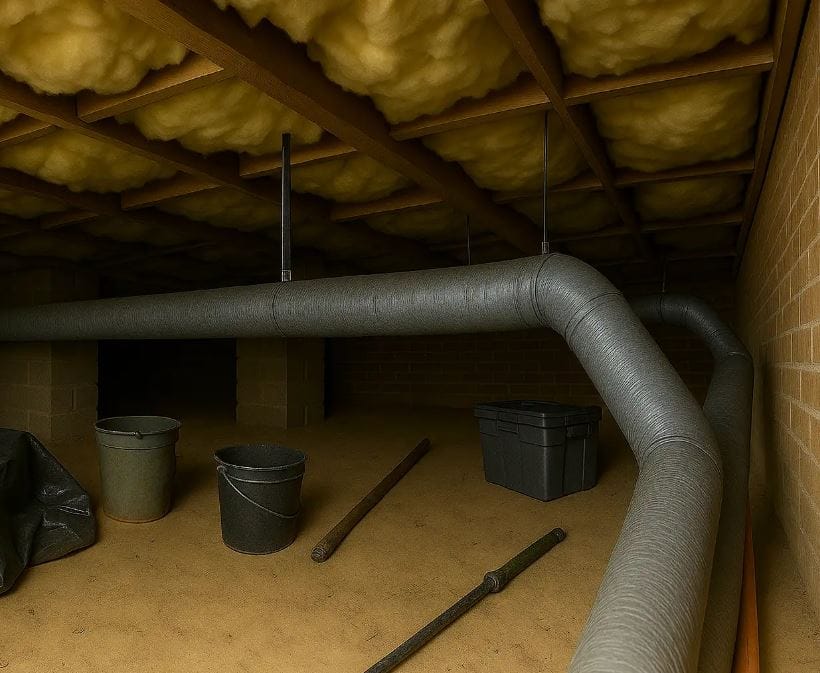
A crawl space is often an overlooked part of a home, hidden beneath the floor and rarely thought about unless there’s a problem. Yet this underappreciated area can have a major impact on the health, energy efficiency, and structure of a house. One increasingly popular solution for improving a crawl space is encapsulation, a process that involves sealing it off from external elements with a vapor barrier, insulation, and often a dehumidifier. Homeowners across the country are turning to this method to transform their crawl spaces from damp, neglected zones into cleaner, more controlled environments. Here’s how encapsulation can bring significant benefits to your home.
Improved Indoor Air Quality
Crawl spaces are notorious for harboring mold, mildew, and other airborne contaminants that can seep into the living areas above. Unsealed crawl spaces allow moisture and outdoor air to flow freely into your home, often carrying with it spores, dust, and volatile organic compounds. This infiltration can be especially problematic for people with allergies or respiratory conditions. Encapsulation helps block out these contaminants by sealing the crawl space and managing humidity levels, creating a cleaner airflow throughout the house. When coupled with a quality dehumidifier, this system can drastically reduce airborne mold and dust mites. A more health-conscious indoor environment is achievable with professional services such as the ones from https://procrawlspacerepair.com/, which provide comprehensive encapsulation tailored to each home’s unique conditions. By addressing the crawl space, homeowners often experience fresher, cleaner air, contributing to better health and comfort.
Energy Efficiency and Lower Utility Bills
When a crawl space is left unsealed, outside temperatures can have a significant influence on the floor above. This thermal exchange forces heating and cooling systems to work harder, especially during extreme weather conditions. In summer, warm air seeps in, making air conditioners less effective. In winter, cold air under the floor can chill the house, making heating more expensive.
Encapsulation adds a layer of insulation and restricts outside air from entering. This temperature regulation can lead to more stable indoor conditions and reduced stress on HVAC systems. Homes often become easier and more affordable to heat and cool, leading to lower energy bills throughout the year. The long-term savings can be substantial, especially in regions with harsh climates.
Protection Against Structural Damage
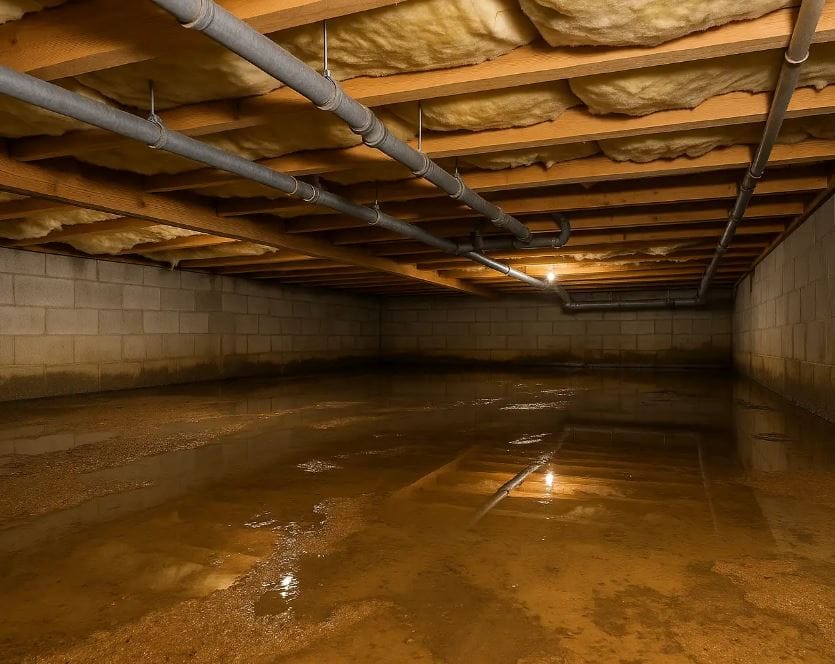
Excess moisture in a crawl space can be one of the most damaging elements to a home’s foundation. When wood framing and floor joists are repeatedly exposed to high humidity or standing water, they can warp, rot, or attract insects like termites and carpenter ants. Over time, this compromises the structural integrity of the home.
Encapsulating the crawl space helps control the environment beneath the house. By eliminating excess humidity and sealing out water intrusion, wood components are better protected from decay and pest infestation. Encapsulation can extend the life of foundational supports and reduce the risk of expensive structural repairs down the road.
Pest Prevention
Unsealed crawl spaces can act as a gateway for rodents, insects, and other unwanted guests. Dark, damp, and undisturbed, they provide the perfect conditions for nesting and breeding. Once pests gain entry through open vents or gaps in the foundation, they often spread to other parts of the house.
Encapsulation creates a barrier that’s not only moisture-resistant but also physically blocks off entry points. The materials used in this process leave little opportunity for pests to make their way inside. Many homeowners notice a sharp decrease in insect activity after encapsulation, especially in basements and first-floor rooms. With a properly sealed crawl space, you can significantly reduce the risk of infestations.
Odor Reduction
Musty smells wafting up from a crawl space are common in homes with poor ventilation and high humidity levels beneath the floor. These odors can make a house feel unpleasant and may be a sign of underlying mold growth or decaying organic material. Regular cleaning or deodorizing only masks the symptoms rather than addressing the root cause.
Sealing and encapsulating the crawl space helps remove the source of these smells. By preventing moisture buildup and isolating the area from the rest of the house, the entire living environment becomes fresher and more pleasant. Many homeowners report a noticeable improvement in their home’s scent within just a few days of completing the encapsulation process.
Increased Home Value
A home that has been professionally encapsulated tends to be more appealing to prospective buyers. Real estate agents often point out crawl space improvements in listings because they speak to the overall care and maintenance of the property. Buyers are increasingly savvy about the issues that can stem from a neglected crawl space, and they value the peace of mind that comes with a sealed and well-managed foundation.
This upgrade can also be reflected in property inspections and appraisals. Encapsulation is seen as a proactive step toward long-term home health and safety. It may not be the most visible renovation, but it contributes meaningfully to the overall desirability and resale potential of the property.
Encapsulating your crawl space is more than just a one-time fix, it’s a commitment to better indoor living, long-term protection, and greater energy savings. Choosing to seal off your crawl space is a practical, forward-thinking decision that can improve your day-to-day comfort and your home’s future stability.