Will Bleach Kill a Black Widow? The Unvarnished Truth
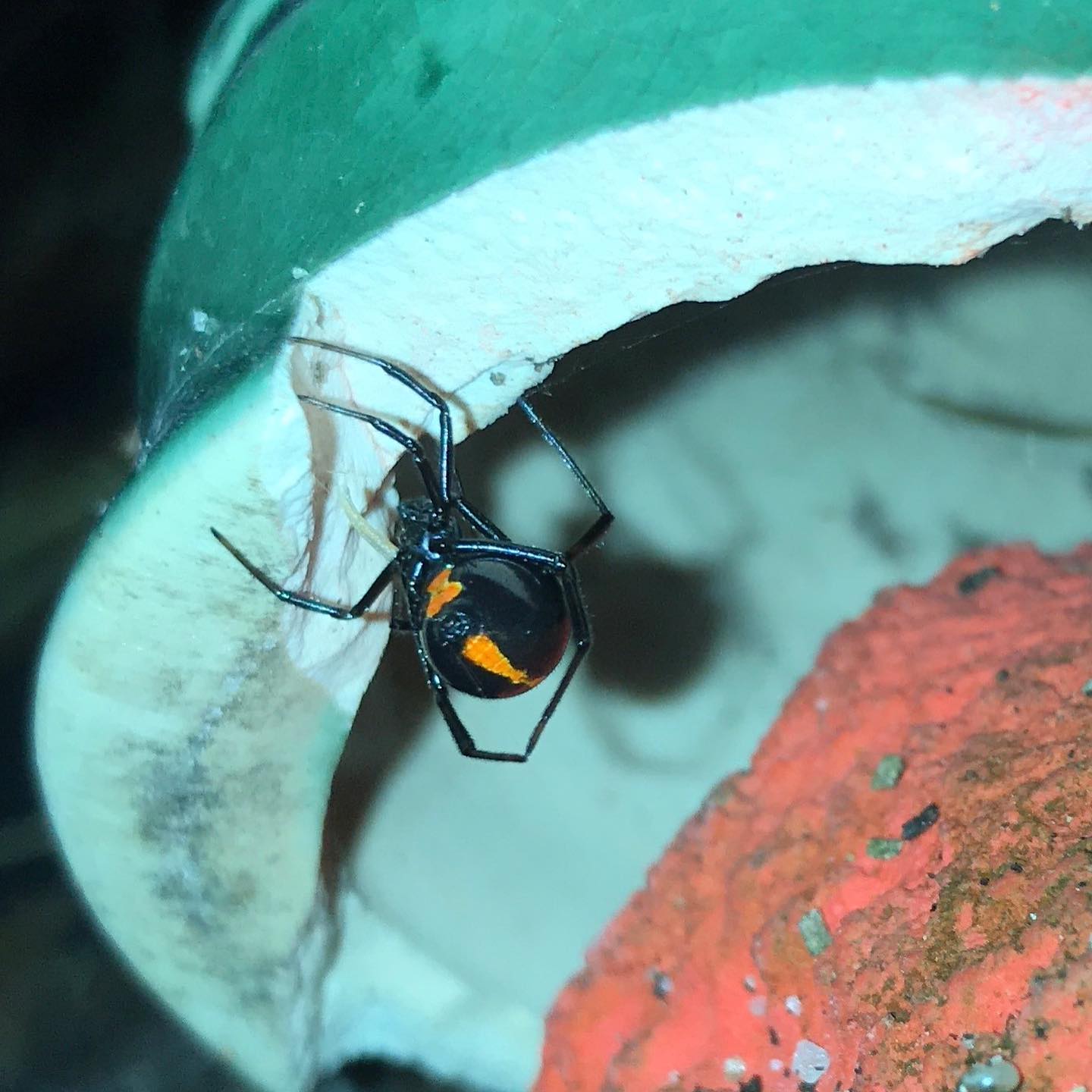
The sight of a glossy black spider with a tell-tale red hourglass on its abdomen is enough to send a shiver down anyone’s spine. Black widows are one of the most feared spiders in North America due to their potent venom. When faced with one in your garage, shed, or home, the immediate reaction is often to reach for the strongest chemical cleaner on hand—frequently, a bottle of bleach.
This leads to a critical question: Will bleach kill a black widow?
The short answer is yes, direct and substantial contact with bleach can kill a black widow spider. However, using bleach is one of the least efficient, least safe, and most environmentally damaging methods available. This article will break down why bleach works, why you shouldn’t rely on it, and what you should do instead for effective and safe black widow control.
How Bleach Affects a Black Widow Spider
Bleach is a powerful oxidizing agent. Its primary job is to break down proteins and other organic materials, which is why it’s such an effective disinfectant. A spider’s body, like any other living creature, is made up of proteins and cells.
When bleach makes direct contact with a black widow’s body, it causes severe chemical burns. It essentially dissolves the spider’s exoskeleton and damages its internal organs. If the spider is fully submerged or drenched in a strong bleach solution, it will likely die.
As one pest control expert, Dr. Eleanor Vance, notes:
“While a direct hit with bleach will certainly kill a spider, it’s like using a sledgehammer to swat a fly. It’s overkill, unnecessarily hazardous, and misses the point of integrated pest management, which focuses on prevention and control, not just killing one insect at a time.”
The Major Drawbacks of Using Bleach
While technically effective in a direct confrontation, using bleach as a pesticide is fraught with problems. The following table compares bleach to a standard commercial insecticide.
Comparison: Bleach vs. Commercial Spider Insecticide
| Feature | Bleach | Commercial Spider Spray (e.g., with Cypermethrin) |
|---|---|---|
| Kill Mechanism | Chemical oxidation/burns | Neurotoxin targeting insects & arachnids |
| Effectiveness on Contact | High (if direct) | High |
| Residual Effect | None | Yes (lasts for weeks, killing spiders that cross the treated area) |
| Safety for Humans/Pets | Low (fumes, skin burns, toxic if ingested) | Moderate (must be used as directed, but safer than bleach when dry) |
| Damage to Surfaces | High (can corrode, discolor, and damage materials) | Low to None (when used as directed on appropriate surfaces) |
| Environmental Impact | High (harsh chemical, harmful to aquatic life) | Moderate (targeted, but can be harmful to bees and aquatic life) |
| Cost Efficiency | Low (ineffective for prevention, requires repeated use) | High (one application can protect an area for weeks) |
Why the Drawbacks Matter:
- No Residual Effect: This is the single biggest reason to avoid bleach. You might kill the spider you see, but bleach leaves behind no protective barrier. Once you rinse it away, the area is just as inviting for the next black widow or its egg sacs. Professional insecticides create a lasting “zone of protection.”
- Significant Health and Safety Risks: Bleach fumes are a powerful respiratory irritant. If it comes into contact with skin or eyes, it can cause serious chemical burns. Furthermore, mixing bleach with other common household cleaners (like ammonia) can create deadly chlorine gas.
- Potential Property Damage: Bleach is corrosive. It can damage wood finishes, corrode metals, discolor fabrics and surfaces, and kill your lawn and plants if used outdoors.
A Better Strategy: How to Safely Eliminate Black Widows
A one-time kill is not a solution. A comprehensive approach is needed to manage and prevent black widow infestations.
Step 1: Immediate Removal (The Safe Way)
For a single, visible spider, the safest and most effective method is physical destruction.
- Vacuuming: Use a vacuum with a hose attachment to suck up the spider and its web. Immediately dispose of the vacuum bag or empty the canister into a sealed plastic bag outside your home.
- A Simple Shoe: A good, old-fashioned crush with a shoe or rolled-up newspaper is instantly effective. Just be sure to make clean contact.
Step 2: Targeted Insecticidal Control
If you have an ongoing issue, use a product designed for the job.
- Residual Spider Sprays: Look for insecticides containing active ingredients like bifenthrin, cypermethrin, or deltamethrin. These are specifically designed to kill spiders and leave a long-lasting residue. Spray around windows, door frames, foundation perimeters, and in dark, cluttered areas like basements and crawl spaces.
- Dusts: Insecticidal dusts (like those containing Diatomaceous Earth or silica gel) can be puffed into wall voids and cracks where sprays can’t reach. They work by desiccating the spider’s exoskeleton.
Step 3: Long-Term Prevention
The best way to deal with black widows is to make your property uninviting to them.
- Declutter: Remove piles of wood, rocks, debris, and unused items from around your home’s foundation.
- Seal Entry Points: Caulk cracks in the foundation, around windows, and in siding. Install weather stripping on doors.
- Reduce Hiding Spots: Keep garages, sheds, and basements tidy. Store items in plastic sealed bins instead of cardboard boxes on the floor.
- Turn Off the Buffet: Black widows eat other insects. Reduce their food source by controlling other pests around your home with exterior insecticide barriers and by using yellow outdoor light bulbs that are less attractive to insects.
The Verdict: Skip the Bleach
So, will bleach kill a black widow? Yes, but it’s a bad choice.
Using bleach to kill a black widow is an inefficient and hazardous reaction, not a smart pest control strategy. It addresses the immediate symptom (one spider) but does nothing to solve the underlying problem (why the spider is there and how to prevent more).
For the safety of your family, your pets, and your property, opt for targeted insecticides and, most importantly, a strong focus on prevention. If you have a significant or recurring infestation, do not hesitate to contact a licensed pest control professional who can implement a safe and comprehensive eradication plan.