
Will Baking Soda Kill Bugs? An Expert’s Verdict on This Common Home Remedy

In the constant battle against household pests, many of us turn to DIY solutions before resorting to harsh chemicals. Sitting innocently in your fridge and pantry, baking soda is often hailed as a miracle worker for cleaning and deodorizing. But can this common household powder double as a potent pesticide? The question “Will baking soda kill bugs?” is a popular one, and the answer is more nuanced than a simple yes or no.
We consulted with Dr. Eleanor Vance, an urban entomologist with over 15 years of experience, to separate fact from fiction and provide a clear, expert-backed guide to using baking soda for pest control.
The Short Answer: Yes, But with Major Caveats
Yes, baking soda can kill certain insects, primarily cockroaches and ants. However, its effectiveness is highly specific and relies on the insect’s biology and behavior. It is not a broad-spectrum insecticide and will not work on most common pests like flies, mosquitoes, bed bugs, or spiders.
As Dr. Vance clarifies, <blockquote>”Baking soda isn’t a contact poison. It doesn’t dissolve the exoskeleton or act like a traditional neurotoxin. Its mechanism is internal and physiological, which is why its success is so hit-or-miss.”</blockquote>
How Does Baking Soda Actually Kill Bugs? The Science Explained
The theory behind baking soda as an insecticide revolves around a simple chemical reaction. For it to work, the target pest must ingest the powder.
- Ingestion: The insect, such as a cockroach or ant, consumes the baking soda.
- Reaction: Inside the insect’s highly acidic stomach (midgut), the baking soda (sodium bicarbonate, a base) reacts with the stomach acids.
- Gas Production: This reaction produces large amounts of carbon dioxide (CO2) gas.
- Internal Damage: The rapidly expanding gas has nowhere to go, leading to internal pressure buildup. In theory, this causes internal damage or even rupture of the digestive tract, ultimately killing the insect.
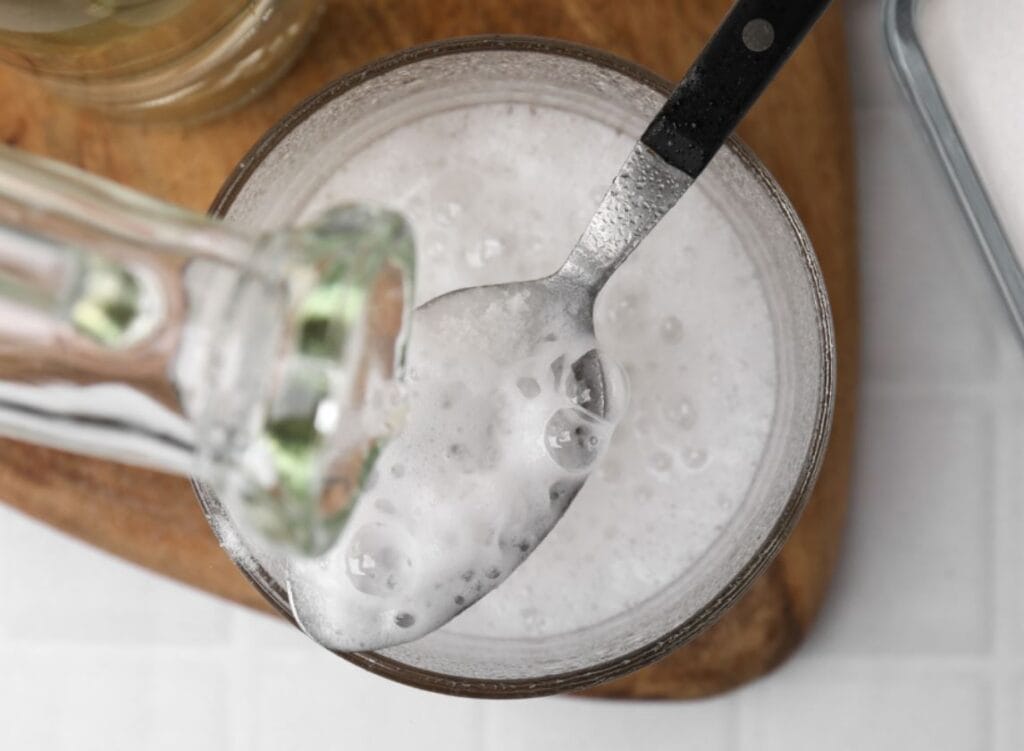
<blockquote>”Think of it like dropping a Mentos into a Diet Coke, but inside a confined, living system,” explains Dr. Vance. “The pressure from the CO2 gas is what’s theorized to be lethal. However, the amount of baking soda the insect consumes and the strength of the reaction are critical, and not always sufficient for a quick kill.”</blockquote>
Target Pests: Where Baking Soda Might Work
Baking soda is not a one-size-fits-all solution. Its application is limited to a few specific pests.
1. Cockroaches
This is the most common target for baking soda pest control. The classic DIY recipe involves mixing equal parts baking soda and sugar. The sugar acts as a powerful attractant, luring the cockroach to ingest the deadly baking soda alongside it.
2. Ants
A similar bait-and-switch method can be used for ants. Worker ants are attracted to the sugar, consume the mixture, and may carry it back to the colony to share, potentially affecting others.
The Limitations: Why Baking Soda Isn’t a Reliable Standalone Solution
While the science seems sound, in practice, baking soda has significant drawbacks that limit its reliability.
- Uncertain Lethal Dose: It’s unclear how much baking soda an insect needs to consume for a guaranteed kill. Many may ingest a non-lethal amount.
- Avoidance: Insects, especially cockroaches, can be neophobic (afraid of new things) and may avoid a plain pile of powder. The sugar helps, but it’s not foolproof.
- No Residual Effect: Unlike professional-grade insecticides, baking soda has no lasting residual power. It can be rendered ineffective by moisture and needs frequent reapplication.
- Ineffective on Most Pests: It will not work on insects that do not ingest solid bait, such as bed bugs (which feed on blood), spiders (which liquefy their prey), or flying insects.
Baking Soda vs. Other Common Pest Control Methods
The following table provides a quick comparison of baking soda with other popular pest control options.
| Method | How It Works | Pros | Cons | Best For |
|---|---|---|---|---|
| Baking Soda Bait | Ingested, causes internal gas buildup. | Non-toxic to humans/pets, cheap, readily available. | Unreliable, limited target pests, no residual effect. | Minor, localized ant or cockroach issues. |
| Diatomaceous Earth | Abrades the waxy exoskeleton, causing dehydration. | Broad-spectrum, physical action (no resistance), non-toxic once settled. | Can be an irritant if inhaled; requires dry conditions. | Crawling insects like ants, cockroaches, bed bugs. |
| Boric Acid | Ingested, acts as a stomach poison and abrasive. | Highly effective, low cost, can transfer through grooming. | Toxic if ingested in large amounts by pets/children. | Cockroaches, ants, silverfish. |
| Commercial Insecticides | Varies (neurotoxins, growth regulators, etc.). | Fast-acting, reliable, long residual effect. | Often contain harsh chemicals, requires careful application. | Moderate to severe infestations. |
Expert Advice & Safer, More Effective Alternatives
Dr. Vance emphasizes that while baking soda is a low-risk experiment, it should not be your first or only line of defense against an established infestation.<blockquote>”For a couple of ants on the counter, a baking soda and sugar bait might offer a temporary fix. But for a persistent problem, especially with cockroaches, you’re better off with proven methods. Integrated Pest Management (IPM) focuses on prevention, sanitation, and using the least hazardous effective control first.”</blockquote>
Dr. Vance’s Recommended Alternatives:
- Diatomaceous Earth (Food Grade): “This is my go-to for a low-toxicity, physical insecticide. It’s far more reliable than baking soda for a wide range of crawling insects.”
- Boric Acid Baits: “When used correctly and placed out of reach of pets and children, boric acid is one of the most effective and inexpensive solutions for cockroaches.”
- Prevention is Key: “Seal entry points, eliminate moisture sources, and store food in airtight containers. A clean, dry home is the best pest deterrent.”
The Final Verdict
So, will baking soda kill bugs? Yes, it can, but its application is limited and its effectiveness is unreliable. It may help as a temporary, supplemental measure against cockroaches and ants in a pinch, but it is not a magic bullet.
For minor issues, feel free to try the classic baking soda and sugar bait. For anything more serious, invest in proven solutions like diatomaceous earth or consult a professional pest control service to address the root of the problem safely and effectively.


