Where to Find Trusted Insulation Products Online
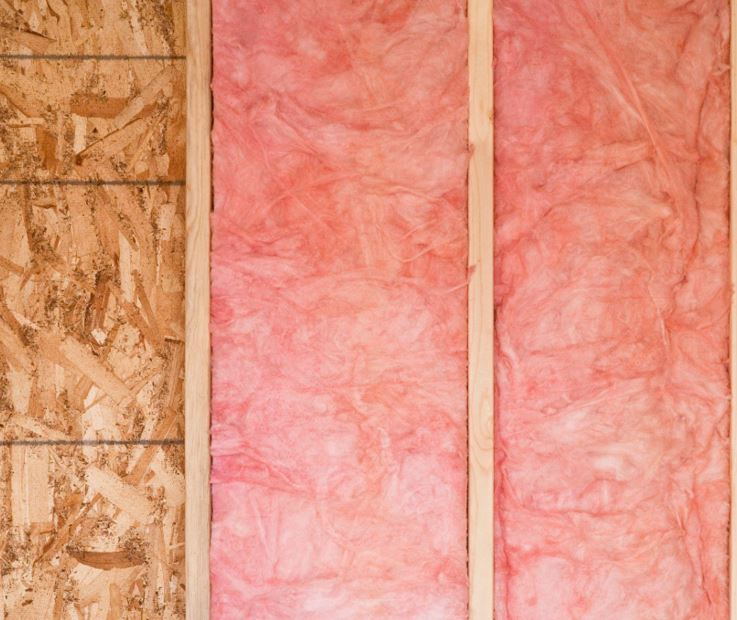
Finding insulation online is deceptively easy. A quick search brings up thousands of results—rolls of fibreglass, reflective foil sheets, mineral wool slabs, and spray foam kits. But that’s the problem. When everything looks the same in a thumbnail and every product claims to be “premium,” how do you separate the genuinely high-quality materials from the knockoffs or the not-quite-right?
For homeowners, builders, or DIYers, choosing the right insulation isn’t just about energy efficiency. It’s about trust—knowing the product will perform as advertised, arrive as described, and not leave you with a chilly loft or an overheated conservatory a few months later. The question is: where exactly do you find that kind of product online?
What Makes Insulation “Trusted”?
This may sound a bit obvious, but “trusted” doesn’t mean “popular.” A product being best-selling on a massive marketplace doesn’t automatically mean it’s good—or right for your specific build. Trusted insulation is, above all else, consistent. It does what it says on the label, holds up over time, and meets the thermal and fire safety requirements relevant to your space.
Some of the key signs that an insulation product is reliable? Certification from third-party bodies (like BBA or CE marks), detailed product specifications (U-values, R-values, acoustic ratings), and clear installation guidance. A reputable seller will also be upfront about whether a product is suited for walls, roofs, floors—or all three. No vague promises. No inflated jargon. Just clarity.
The Role of Specialist Suppliers
While the bigger retail platforms certainly have reach, they’re rarely the best places to find niche, technical products like insulation. You may get convenience, sure—but it often comes at the cost of quality control, with inconsistent listings and questionable third-party sellers.
That’s why specialist suppliers matter. These are companies that don’t just sell insulation, but actually understand it. Many of them operate their own e-commerce sites with tightly curated product ranges, focused support, and resources tailored to self-builders or professionals.
One standout example is Bluetex Insulation, which focuses specifically on reflective foil insulation and related products. Unlike generic stockists, these types of suppliers often concentrate on one category, which means they can offer deeper product knowledge, clearer installation help, and—let’s be honest—a much lower chance of you ordering the wrong thing. Their websites also tend to be more transparent about specs and testing, which is no small thing when you’re buying thermal barriers from a laptop screen.
Don’t Ignore the Extras (Delivery, Support, Returns)
You’d think ordering something as essential as insulation would be straightforward, but if you’ve ever ended up with six crushed rolls dumped on your driveway with no notice, you’ll know better.
One of the most overlooked aspects of shopping for insulation online is the delivery experience. Is it tracked? Do you get a delivery window? Can you ask questions before placing a large order?
Equally, what happens if you over-order or the specs aren’t quite right for your project? Trusted insulation suppliers won’t just vanish once they’ve taken your money. They’ll have reasonable return policies, responsive support teams, and ideally, some guidance on how to work out how much you need in the first place.
A Few Red Flags to Watch For
If you’re browsing insulation products online and spot any of the following, proceed with caution:
- Vague product descriptions that don’t include thermal performance data
- Sellers that won’t confirm fire ratings or test certifications
- No named manufacturer or country of origin
- No contact number or physical address listed
- Too-good-to-be-true prices with huge discounts and very little explanation
That last one’s especially common—cheap insulation isn’t always a bargain. It might underperform, degrade quickly, or worse, pose safety risks. Spending a bit more on verified materials from a dedicated supplier almost always pays off long term.
So Where Should You Actually Shop?
If you’re looking for a shortcut, here’s one: avoid generalist marketplaces for anything more complex than draught excluders or simple loft roll. Head straight to the websites of insulation specialists, particularly those focused on the type of build you’re working on.
Whether you’re retrofitting a van, insulating a garden room, or renovating a 1920s semi, start with suppliers that actually cater to your kind of project. Read reviews (ideally not just the ones on their site), compare spec sheets, and don’t be afraid to call them if something isn’t clear. If they don’t want to speak to you now, they definitely won’t be much help after the sale.
Final Thoughts
Buying insulation online is perfectly doable—and in many cases, far more efficient than sourcing it through traditional trade channels. But it does require a bit of homework. Look beyond the first page of Google. Ignore flash sales unless you’re 100% sure what you’re buying. And when in doubt, go with the supplier that’s been in the game long enough to know their PIR from their phenolic foam.
If a website feels trustworthy, transparent, and focused on insulation—not just “home improvement”—there’s a good chance the products are too.