Top Reasons to Upgrade Your HVAC System
As energy prices continue to rise and environmental concerns gain momentum, upgrading your HVAC system has become more than a luxury; it’s a necessity. Many homeowners are unaware of the significant benefits provided by a new, efficient heating and cooling system. From improved energy efficiency to enhanced comfort and air quality, understanding the advantages can help you make an informed decision about your home’s climate control needs.
Improved Energy Efficiency
One of the primary reasons to think about upgrading your HVAC system is improved energy efficiency. Older units consume significantly more energy to produce the same amount of heating and cooling as modern systems. If your air conditioning unit is over a decade old, it may operate at as little as 60% efficiency. In contrast, new Energy Star-rated models can increase efficiency levels up to 30% or more. Upgrading to a more efficient model minimizes your carbon footprint and leads to noticeable savings on your utility bills.
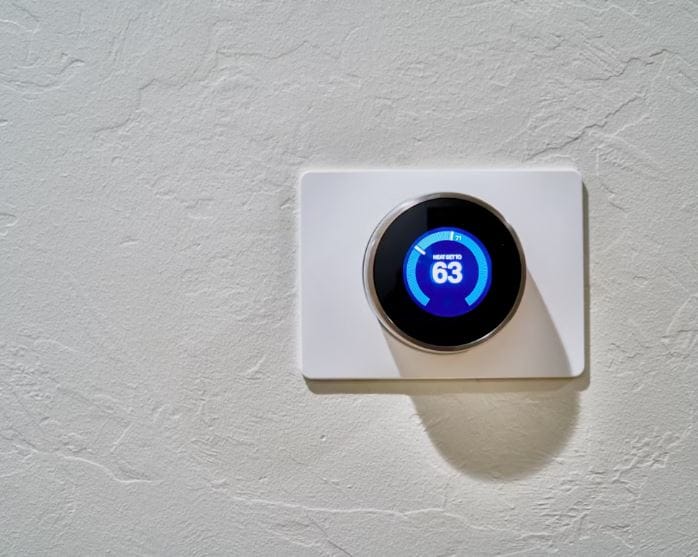
Even modest changes in efficiency can result in a significant cost reduction. With the fluctuating nature of energy prices, reducing your home’s energy consumption can provide financial benefits that can offset the initial investment in a new system. When it’s time to upgrade your AC unit, work with local experts to ensure you choose the best unit for your home’s specific requirements. Modern HVAC systems often come with smart thermostat compatibility, allowing homeowners to fine-tune energy use throughout the day. Features such as variable-speed motors and advanced filtration systems help optimize comfort while reducing wasted energy.
Enhanced Comfort Levels
Another significant advantage of upgrading your HVAC system is the comfort it provides. New technologies and features allow for more precise temperature control, ensuring that every room in your home maintains a consistent and comfortable environment. Smart thermostats, for example, can learn your schedule and preferences, optimizing energy usage while keeping your home at your desired temperature.
Newer units often come equipped with advanced humidity control features. This is particularly beneficial in areas susceptible to high humidity levels, where insufficient control can lead to discomfort and even health problems. Proper humidity levels create a more comfortable living space while inhibiting the growth of mold and mildew.
Improved Air Quality
Indoor air quality is an aspect that should not be overlooked when considering an HVAC upgrade. Older systems often lack advanced filtration capabilities, which can allow allergens, dust, and pollutants to circulate throughout your home. Upgrading to a modern system equipped with advanced air filtration and purification technologies can dramatically improve the air quality inside your home, promoting better health for you and your family.
Newer HVAC systems often include HEPA filters capable of capturing a high percentage of airborne particles, including dust mites, pet dander, and pollen. Many systems now offer UV light options that eliminate bacteria and viruses, providing an extra layer of protection against airborne illnesses during peak cold and flu seasons.
Long-Term Savings
While the upfront cost of a new HVAC system can be daunting, it’s important to think about the long-term savings that efficiency and reliability can provide. Modern systems are designed to last longer than their predecessors, so you save money on energy bills and avoid expensive repairs that are more common with older units.
Many manufacturers offer warranties on new units, which can protect you from unexpected costs related to repairs. Regular maintenance will be less frequent and less costly for newer systems as they tend to have fewer issues compared to aging units. Altogether, the financial benefits often outweigh the initial financial commitment.
Environmental Impact

New HVAC systems are designed with the environment in mind, providing efficiency and technology that minimizes their environmental impact. With more stringent regulations on energy consumption and refrigerant emissions, investing in an upgraded system aligns with a homeowner’s desire to contribute to sustainability initiatives.
Choosing a system that utilizes non-ozone-depleting refrigerants greatly reduces the risk of harming the climate. Reducing the amount of energy needed to heat or cool your home can help lessen the demand on local power plants, which are often major sources of greenhouse gas emissions. Making the switch to a high-efficiency HVAC system is a boon for your household and for the planet.
Upgrading your HVAC system can lead to numerous benefits, ranging from improved energy efficiency and comfort levels to enhanced air quality and long-term savings. With the added environmental advantages, making this investment is often a wise decision for homeowners seeking to enhance their living spaces. It’s vital to consult with local experts to find the perfect system tailored to your specific heating and cooling needs. Embrace the future of energy-efficient living and enjoy the transformation a new HVAC system can provide.