The Ultimate Guide to How to Clean a Wooden Bowl: Preserve Beauty & Longevity
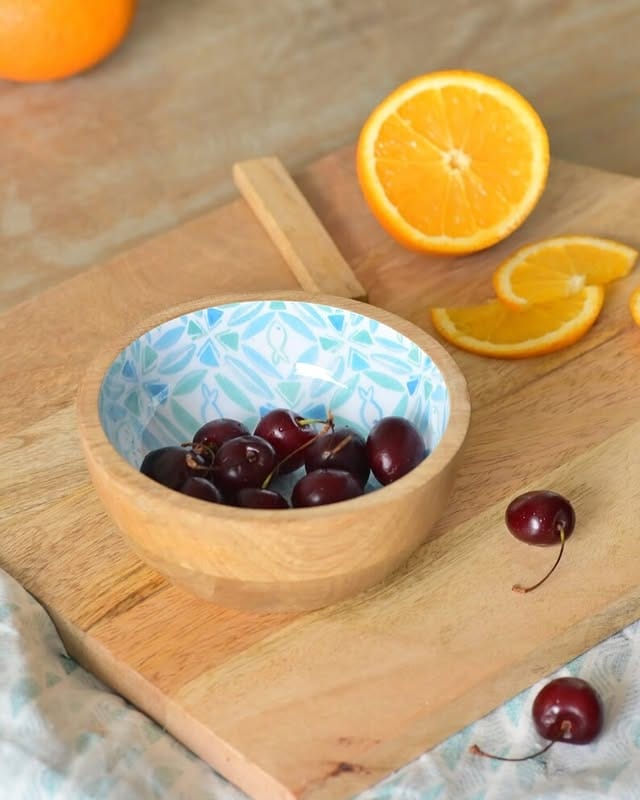
Wooden bowls are cherished kitchen and dining staples, blending functionality with natural beauty. However, improper cleaning can lead to cracking, warping, or bacterial growth. This comprehensive, SEO-optimized guide will teach you the right way to clean a wooden bowl, ensuring it remains a stunning and durable piece for years to come.
Why Wooden Bowls Need Special Care
Unlike glass or ceramic, wood is a porous, living material. It expands and contracts with moisture and temperature changes. Harsh detergents, prolonged soaking, and extreme heat can break down the wood’s natural oils, leading to a dry, brittle bowl that can crack or split. Proper cleaning is not just about hygiene; it’s about preserving the wood’s integrity and your investment.
Step-by-Step: How to Clean a Wooden Bowl Safely
Follow this structured process after each use for optimal care.
Step 1: Immediate Scraping & Rinsing
As soon as possible after use, scrape out any leftover food with a soft spatula or rubber scraper. Rinse the bowl quickly under lukewarm (never hot) running water. Avoid letting the bowl sit with wet or acidic food residues (like vinegar or tomato sauce), as they can stain and penetrate the wood.
Step 2: Gentle Washing
- Use a Soft Sponge or Cloth: Abrasive scouring pads will scratch the surface.
- Mild Cleaner is Key: Use a small drop of gentle dish soap or, better yet, a natural cleaner like a paste of baking soda and water. The baking soda also helps neutralize odors.
- Work Quickly: Wash with deliberate but swift motions. Do not let the bowl become saturated.
Step 3: Thorough Drying
This is the most critical step to prevent warping and mildew.
- Rinse all soap off quickly under lukewarm water.
- Immediately dry the bowl completely with a clean, dry towel, inside and out.
- Air Dry Finale: Let the bowl sit upright in a well-ventilated area, away from direct heat (like a stove or sunlight) for at least an hour to ensure any internal moisture evaporates.
Step 4: Periodic Conditioning (The Secret to Longevity)
Every 4-6 weeks, or whenever the wood looks dry, condition your bowl. Use food-grade mineral oil or a beeswax-based wood conditioner. Apply a generous amount, let it soak in for several hours or overnight, then wipe off the excess. This replenishes oils, maintains the water-resistant barrier, and brings out the wood’s luster.
What to Avoid: Common Wooden Bowl Cleaning Mistakes
| DO NOT… | WHY IT’S HARMFUL | SAFE ALTERNATIVE |
|---|---|---|
| Put it in the dishwasher | Extreme heat and prolonged water exposure cause cracking and warping. | Always hand wash using the steps above. |
| Soak or submerge it | Wood absorbs water, swells, and then cracks as it dries unevenly. | Quick rinse and immediate drying. |
| Use harsh detergents or bleach | Strips natural oils, dries out wood, and can leave toxic residues. | Use mild soap or baking soda. |
| Store while damp | Promotes mildew growth and warping. | Ensure it’s bone-dry before stacking or storing. |
| Use it for raw meat/poultry | Porous wood can harbor bacteria like salmonella, making it unsafe. | Reserve for bread, fruit, dry, or cooked items. |
Deep Cleaning & Stain Removal Techniques
Even with the best care, stains and odors can occur. Here’s how to tackle them:
For Odors (Garlic, Onion, etc.):
Create a paste of baking soda and water, rub it inside the bowl, let it sit for 15 minutes, then rinse and dry thoroughly.
For Stains (Tomato, Berry):
Use a gentle abrasive. Sprinkle coarse salt on the stain, then rub with the cut side of a lemon half. The salt acts as a scrubber while the lemon’s citric acid lifts the stain. Rinse and dry immediately.
For Mild Mildew:
If you see surface mildew spots, wipe the area with undiluted white vinegar. Then wash, dry, and place the bowl in a sunny spot for a few hours. Sunlight is a natural disinfectant and mildew inhibitor. Important: For deep mildew, the bowl may be compromised for food use.
Wooden Bowl Maintenance Comparison Table
| Maintenance Aspect | Frequency | Best Product/Tool | Benefit |
|---|---|---|---|
| Daily Cleaning | After each use | Soft cloth, mild soap, lukewarm water | Removes food residue without damage. |
| Deep Cleaning | Monthly or as needed | Baking soda paste or salt & lemon | Lifts stains and neutralizes odors. |
| Conditioning/Oiling | Every 4-6 weeks | Food-grade mineral oil or beeswax cream | Prevents drying/cracking; maintains seal. |
| Inspection | During drying | Touch and sight | Check for cracks, dryness, or odors early. |
FAQ: Your Wooden Bowl Questions Answered
Q: Can I use olive or vegetable oil to condition my bowl?
A: No. These oils can turn rancid over time, leading to unpleasant odors. Always use food-grade mineral oil or specialty wood conditioner.
Q: How do I sanitize a wooden bowl if I can’t use bleach?
A: After washing, wipe the surface with white vinegar (a natural disinfectant) and then let it air-dry completely. For extra sanitation, a brief exposure to direct sunlight is effective.
Q: Are wooden bowls sanitary for food use?
A: Yes, when properly maintained. Wood has natural antimicrobial properties. The key is prompt, proper cleaning and thorough drying, which prevents bacterial growth.
Q: My bowl has a crack. Is it ruined?
A: A small hairline crack can often be stabilized with regular oiling. However, if the crack is deep or widens, it may harbor bacteria and should be retired from food use.
Conclusion: Clean with Care for a Lifetime of Use
Cleaning a wooden bowl isn’t complicated—it just requires mindful habits. By avoiding waterlogging, harsh chemicals, and heat, and by committing to regular drying and conditioning, you preserve the bowl’s structural integrity and natural beauty. This simple ritual of care ensures your wooden bowl remains a functional, beautiful centerpiece in your home, growing richer in character with every use.