The Hidden Link Between a Clean Home and a Healthy Septic System
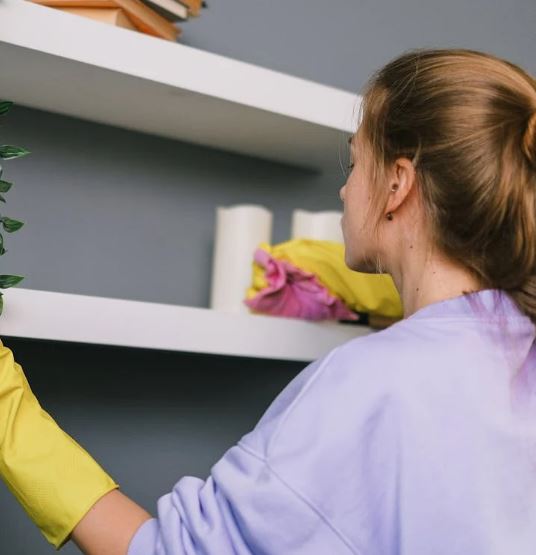
When most homeowners think about keeping their living spaces clean, they focus on dusting, mopping, scrubbing kitchens, and sanitizing bathrooms. While these are all important for comfort and hygiene, there’s an often-overlooked connection between a clean home and the health of your septic system. The choices you make when cleaning and maintaining your house can directly impact how well your septic system functions and whether you’ll face costly repairs down the road.
In many parts of Ontario, households depend on septic systems instead of municipal sewer connections. These underground systems are designed to safely treat and dispose of wastewater, but they are sensitive to what goes down your drains. Understanding how your cleaning practices affect septic health can save you money, protect your property, and keep your home safe.
How Household Cleaning Habits Affect Septic Health
A septic system depends on a balance of naturally occurring bacteria that break down waste. Unfortunately, many commercial cleaning products can disrupt this balance.
Overuse of Harsh Chemicals
Bleach, ammonia, and strong disinfectants may leave your counters sparkling, but in large amounts, they can harm the bacteria in your septic tank. Without enough bacteria, waste doesn’t decompose properly, leading to backups and foul odours in your home.
Safer Alternatives
Luckily, eco-friendly cleaning products are widely available in Canada. Vinegar, baking soda, and mild soaps can effectively clean without compromising septic system function. Choosing these alternatives helps maintain a clean home while ensuring your septic system continues to operate smoothly.
Common Signs of Septic Trouble
Even with careful habits, septic systems can develop issues. Recognizing early warning signs allows homeowners to act before a minor concern turns into an emergency.
- Slow drains or gurgling pipes – often a sign your septic tank is filling too quickly.
- Persistent odours – foul smells inside or outside could mean the system isn’t breaking down waste properly.
- Wet patches in your yard – soggy areas above the drain field are a red flag.
When these issues arise, it’s best to call professionals who provide septic services in Ottawa to inspect and address the problem before it escalates.
The Cost of Neglect
A poorly maintained septic system doesn’t just threaten your plumbing; it can also damage your home and reduce its property value. When wastewater backs up into a basement or yard, the cleanup can cost thousands of dollars, not to mention the serious health risks that come with exposure to contaminated water.
By contrast, regular inspections and pumping are far less expensive. Investing in preventive maintenance and timely septic repair in Ottawa can save homeowners significant stress and financial burden in the long run.
The Link Between Clean Homes and Healthy Septic Systems
Keeping a home clean goes beyond appearances; it also helps reduce strain on your septic system.
Proper Waste Disposal
When garbage is improperly flushed or rinsed down drains, it doesn’t just cause clogs; it interferes with septic function. Wipes, feminine hygiene products, and paper towels should never go down toilets. Grease, oils, and food scraps should be kept out of sinks. Responsible waste disposal protects both your home and septic field.
Reducing Water Waste
Conserving water is another way cleanliness supports septic health. Leaky taps, constant laundry loads, or running dishwashers with half-empty racks all add unnecessary pressure. By managing water use, you extend the lifespan of your septic system while keeping your household efficient.
Safe Cleaning Choices
When you choose septic-safe cleaning products, you not only keep your counters and floors clean but also prevent long-term system failures. This simple decision makes your cleaning routine part of your septic system’s care plan.
Preventive Care Matters
Homeowners who treat their septic systems with the same level of care as their living spaces enjoy smoother, cleaner, and safer households. Regular pumping, usually every three to five years, depending on household size, ensures the system continues to function properly.
Scheduling inspections enables professionals to identify cracks, leaks, or blockages before they become major issues. This is why many homeowners turn to trusted septic services in Ottawa to manage both preventive maintenance and urgent repairs.
Tips for Protecting Your Septic System While Keeping a Clean Home
- Switch to biodegradable cleaning products. They’re just as effective and less harmful to your septic system.
- Avoid flushing anything but waste and toilet paper. Even items labelled “flushable” can clog septic systems.
- Conserve water. Spread out laundry loads, fix leaks, and use efficient appliances.
- Schedule routine pumping and inspections. Prevention is always cheaper than repair.
- Stay mindful of what enters drains. Grease and oils should be disposed of in the trash, not down the sink.
These habits ensure your cleaning efforts contribute to both a spotless home and a healthy septic system.
Why Homeowners Should Take Action
For most homeowners, septic systems are often forgotten until a problem arises. But neglecting them can lead to costly disruptions, unhealthy conditions, and environmental damage. In the same way you wouldn’t allow dirt to accumulate in your home, you shouldn’t overlook the septic system quietly handling your household wastewater.
By making small, conscious changes in how you clean and manage your household, you protect one of the most important parts of your property. When problems do arise, timely septic repair in Ottawa ensures your system continues to function and keeps your home safe and comfortable.
Conclusion
A clean home and a healthy septic system go hand in hand. The products you choose, the waste you dispose of, and the maintenance you schedule all play a role in protecting your property. By adopting septic-friendly cleaning habits and turning to professional septic services in Ottawa when needed, you safeguard your investment, reduce risks, and create a healthier living environment for your family.