The Expert’s Guide: How to Clean Anodized Aluminum Without Damaging It
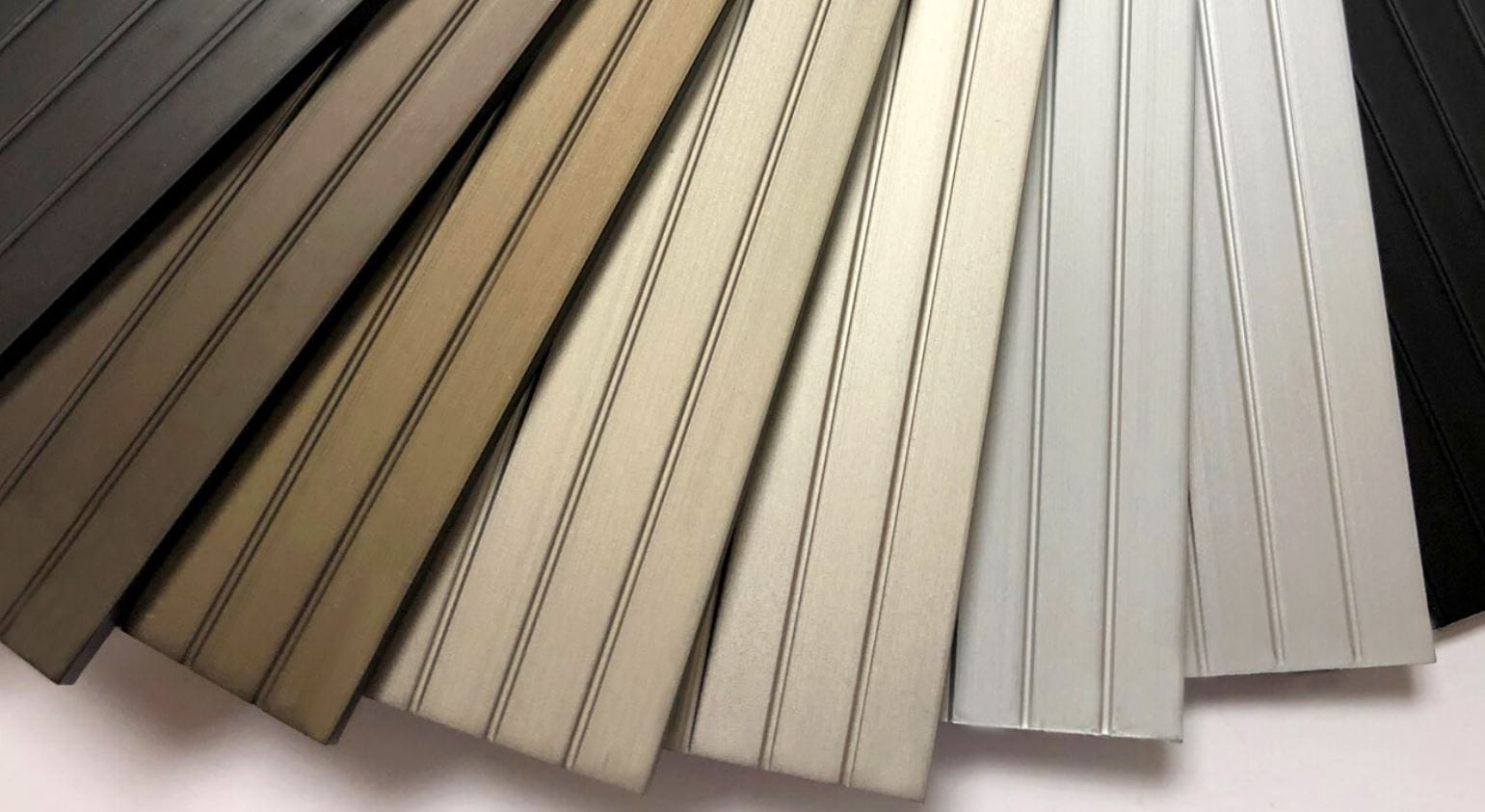
Anodized aluminum is a workhorse of modern materials. You find it everywhere—from sleek kitchen appliances and window frames to high-end electronics and outdoor furniture. Its durability and corrosion resistance come from the electrochemical anodizing process, which creates a hard, porous oxide layer that can be dyed in various colors.
However, this tough coating is not invincible. Using the wrong cleaning methods can permanently damage its surface. This guide provides expert advice to help you clean your anodized aluminum correctly, preserving its beauty and function for years to come.
Understanding Your Material: What is Anodized Aluminum?
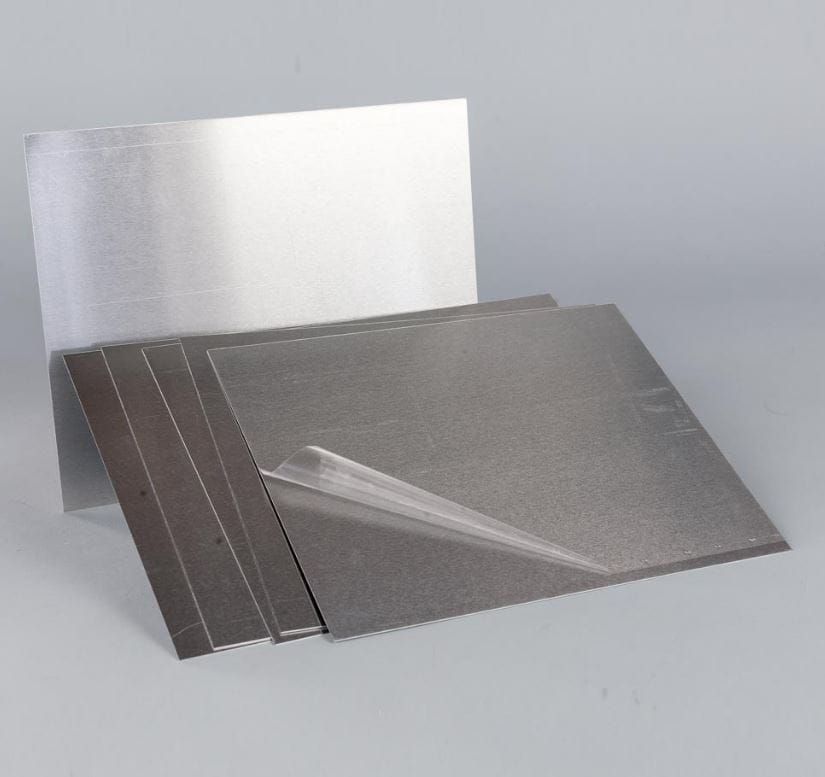
Before you start cleaning, it’s crucial to understand what you’re dealing with. Anodized aluminum is not raw or painted metal. The anodizing process thickens aluminum’s natural oxide layer, creating a surface that is:
- Highly Durable: Resistant to chipping, peeling, and corrosion.
- Porous: The surface has microscopic pores that allow for dyeing but can also trap contaminants.
- Sensitive to pH: The anodic layer is susceptible to strong acids and alkalis.
Expert Quote: “Think of the anodized layer as a hard, ceramic-like skin. It’s tough, but abrasive scrubbing or harsh chemicals can etch into this skin, causing micro-scratches or a dull, faded appearance that is impossible to reverse.” – Dr. Elena Vance, Materials Scientist
Essential Do’s and Don’ts of Cleaning Anodized Aluminum
Following these golden rules will ensure you never accidentally ruin your items.
What You SHOULD Do
- Do use a pH-neutral cleaner as your first and safest option.
- Do test any new cleaner on a small, inconspicuous area first.
- Do use soft cleaning tools like microfiber cloths, soft sponges, or soft-bristled brushes.
- Do rinse thoroughly with clean water to remove all cleaner residue.
- Do dry with a soft cloth to prevent water spots.
What You SHOULD NOT Do
- Don’t use abrasive cleaners or tools (steel wool, harsh scouring pads).
- Don’t use strong alkaline or acidic cleaners (oven cleaner, bleach, toilet bowl cleaner).
- Don’t use abrasive metal polishes.
- Don’t use a pressure washer on a high-pressure setting, as it can damage the surface.
- Don’t let harsh chemicals sit on the surface for extended periods.
Your Step-by-Step Cleaning Guide for Anodized Aluminum
For routine cleaning and maintenance, follow this simple, effective process.
Step 1: Gather Your Supplies
You only need a few basic items:
- Mild, pH-neutral dish soap or a dedicated anodized aluminum cleaner
- Two buckets of warm water (one for washing, one for rinsing)
- Soft microfiber cloths or a non-abrasive sponge
- A soft-bristled nylon brush (for stubborn grime)
Step 2: The Cleaning Process
- Rinse: First, rinse the surface with water to loosen and remove loose dirt and grit.
- Wash: Add a few drops of your pH-neutral soap to a bucket of warm water. Dip your soft cloth or sponge into the soapy solution and gently wipe the surface. Use a back-and-forth motion following the metal’s grain if visible.
- Tackle Stubborn Dirt: For tougher spots, use the soft-bristled brush with the soapy solution. Avoid excessive pressure.
- Rinse Thoroughly: This is a critical step. Use your second bucket of clean water or a gentle hose flow to rinse all soap residue off the surface.
- Dry: Immediately dry the surface with a clean, dry microfiber cloth to prevent water spots and streaks.
Tackling Specific Stains and Problems
Sometimes, routine cleaning isn’t enough. Here’s how to handle common issues safely.
How to Remove Hard Water Stains
Hard water stains (white, chalky deposits) are a common nuisance. They are alkaline, so a mild acid is the solution.
- Solution: Create a 50/50 mixture of white vinegar and distilled water.
- Method: Dampen a cloth with the solution, wipe the affected area, and let it sit for no more than 10 minutes. Gently scrub with a soft brush, then rinse thoroughly with water and dry immediately.
How to Remove Grease and Grime (e.g., on Kitchen Range Hoods)
For built-up kitchen grease, you need a stronger degreaser that is still safe.
- Solution: Use a diluted isopropyl alcohol solution (1 part alcohol to 1 part water) or a commercial degreaser labeled safe for anodized aluminum.
- Method: Apply, agitate with a soft brush, and rinse immediately. Never use oven cleaner.
Cleaning Agent Comparison Table
This table provides a quick-reference guide to help you choose the right cleaner.
| Cleaning Agent | Best For | Safety Level | Key Consideration |
|---|---|---|---|
| Mild Dish Soap & Water | Routine cleaning, dust, light dirt | Excellent | The go-to, safest option for all anodized aluminum. |
| Isopropyl Alcohol (Diluted) | Grease, fingerprints, sticky residues | Very Good | Evaporates quickly; excellent for degreasing. |
| White Vinegar (Diluted) | Hard water stains, mineral deposits | Good (with caution) | Mild acid. Do not let sit for long periods. Always rinse. |
| Baking Soda Paste | Very stubborn stains (use sparingly) | Fair (Use Caution) | Mild abrasive. Test first and use gentle, circular motion. |
| Abrasive Cleaners | NONE | Very Poor | Will permanently scratch and dull the anodized surface. |
Advanced Care and Protection
For exterior anodized aluminum, like window frames or architectural features, a little extra care goes a long way.
Applying a Protective Coating
After a deep clean, you can apply a protective wax or sealant designed for metal surfaces. This fills the microscopic pores, creating a barrier against pollutants and making future cleaning easier. Look for non-abrasive, polymer-based sealants.
Dealing with Oxidation and Fading
If anodized aluminum has been neglected and looks chalky or faded, the damage may be beyond a simple clean. This is often “chalking,” a breakdown of the surface. In these cases, professional restoration or recoating may be the only option, underscoring the importance of proper, regular maintenance.
Conclusion: Patience and the Right Products are Key
Cleaning anodized aluminum isn’t complicated, but it requires a gentle approach. By understanding the material’s sensitivity, avoiding harsh chemicals and abrasives, and sticking to a routine of using pH-neutral cleaners, you can keep your anodized aluminum products looking as good as new for their entire lifespan. Remember: when in doubt, always start with the mildest solution and test it first.