The Best Way to Clean Berber Carpets: An Expert Guide

Berber carpets are a timeless choice, beloved for their durable looped construction and ability to hide everyday soil. However, their unique structure is also their cleaning Achilles’ heel. Using the wrong method can lead to snags, fraying, and permanent damage.
This expert guide will walk you through the safest and most effective ways to keep your Berber carpet looking pristine for years to come.
Why Berber Carpets Require Special Care
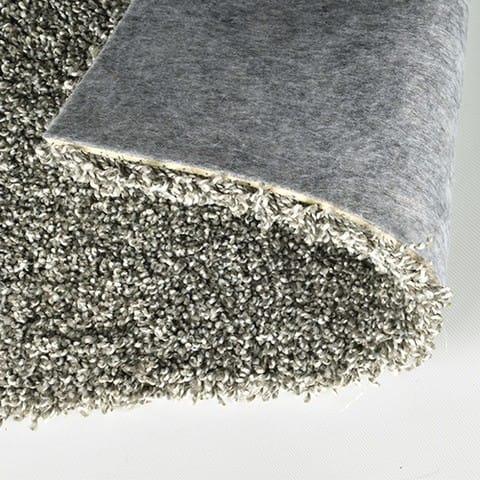
Unlike plush or cut-pile carpets, Berber carpets are made of continuous loops of yarn. This is the source of both their durability and their vulnerability.
“The biggest mistake people make is treating a Berber carpet like any other carpet,” says Sarah Jenkins, a veteran carpet cleaner with 20 years of experience. “Those tight loops are fantastic for traffic but are easily snagged by aggressive brushes and can suffer from over-wetting, leading to carpet backing shrinkage or delamination.”
The primary concerns when cleaning Berber are:
- Snagging: Harsh brushes or beater bars on vacuums can pull and break the loops.
- Over-wetting: Too much moisture can seep through the loops to the backing, causing it to shrink and creating visible wrinkles.
- Residue: Cheap cleaning solutions can leave a sticky film that attracts more dirt, leading to rapid re-soiling.
Pre-Cleaning Essentials: The Foundation of a Clean Carpet
Proper maintenance is 80% of the battle with Berber. A consistent pre-cleaning routine will minimize the need for deep cleaning.
1. The Right Way to Vacuum Berber
Vacuuming is your first and most important line of defense. Because of the looped pile, dirt and grit can settle deep down, acting like sandpaper on the fibers with every step.
- Frequency: Vacuum high-traffic areas at least twice a week and the entire carpet once a week.
- Technique: Use a vacuum without a beater bar or rotating brush. Opt for a suction-only vacuum or one with a adjustable height setting that you can raise to its highest point to prevent friction.
- Attachment: Use a soft upholstery or carpet attachment for a gentle yet effective clean.
2. Immediate Stain Treatment
Accidents happen. The key is to act fast.
- Blot, Don’t Rub: Always use a clean, white cloth to blot the stain from the outside in. Rubbing will grind the stain deeper and can fray the loops.
- Start with Water: Often, plain warm water is all you need. Blot repeatedly until the stain is gone.
- Use a Mild Cleaner: For tougher stains, use a pH-neutral, non-bleach carpet cleaner. Always test it in an inconspicuous area first.
Deep Cleaning Methods: A Comparative Analysis
When it’s time for a deep clean, you have a few options. The choice often depends on the severity of the soil and your budget.
Method 1: Professional Hot Water Extraction (The Gold Standard)
This is what most professionals use and is widely considered the safest and most effective method for Berber carpets.
How it Works: A machine sprays a fine mist of hot water and a mild cleaning agent into the carpet and then immediately extracts it along with the dissolved dirt.
Why it’s Great for Berber:
- It uses minimal moisture compared to traditional steam cleaners.
- The powerful extraction pulls dirt from the base of the loops.
- It leaves little to no residue, preventing rapid re-soiling.
Jenkins advises, “When hiring a pro, always ask if they have experience with Berber carpets. They should use a truck-mounted or high-quality portable unit with strong suction and understand the importance of minimal moisture.”
Method 2: Encapsulation Cleaning (A Great Low-Moisture Option)
This is a popular professional and DIY-friendly method that is excellent for maintenance cleans.
How it Works: A specialized cleaning solution is applied, which crystallizes around dirt particles as it dries. Once dry, the encapsulated dirt is easily vacuumed away.
Why it’s Great for Berber:
- It is an extremely low-moisture process, eliminating the risk of over-wetting.
- It prevents resoiling by locking in the dirt until it’s vacuumed.
- It’s a quick-drying solution, often ready in under an hour.
Method 3: DIY Home Steam Cleaning (Use with Caution)
Renting a carpet cleaner from a grocery store can be tempting, but it’s the riskiest method for Berber.
The Risks:
- These machines often over-wet the carpet because they lack the powerful suction of professional equipment.
- They can leave behind a high amount of detergent residue.
If You Must Use One:
- Go over the carpet with the machine filled with clean water only after cleaning to rinse out as much soap as possible.
- Use a fraction of the recommended detergent.
- Ensure strong air circulation (open windows, use fans) to speed up drying time.
Comparison Table: Berber Carpet Cleaning Methods
| Feature | Professional Hot Water Extraction | Encapsulation Cleaning | DIY Steam Cleaning (Rental) |
|---|---|---|---|
| Effectiveness | Excellent – removes deep-down dirt | Very Good – best for surface & medium soil | Good – but high risk of residue |
| Moisture Level | Low-Moderate (with professional equipment) | Very Low | Very High |
| Drying Time | 4-8 hours | 30-60 minutes | 12-24+ hours |
| Risk of Damage | Very Low (when done by a pro) | Very Low | High (shrinkage, residue, mold) |
| Cost | Highest | Moderate | Lowest (upfront) |
| Best For | Annual deep clean, heavy soiling | Quarterly maintenance, light soiling | Not recommended for Berber |
The Step-by-Step Expert Guide to Cleaning Berber Carpet
For a DIY approach, follow this safe, step-by-step process using a low-moisture method.
Step 1: The Thorough Vacuum
Go over the entire carpet slowly and methodically. Make multiple passes in high-traffic areas to loosen and remove all dry soil.
Step 2: Pre-Treat Stains
Address any visible stains using the blotting method described above.
Step 3: Choose and Apply Cleaner
Opt for a reputable, low-residue, foam-based carpet cleaner or an encapsulation formula. Apply it sparingly according to the directions. Less is more.
Step 4: Agitate Gently
Use a soft-bristled brush (like a horsehair brush) or a carpet rake to work the cleaner gently into the fibers. Avoid hard scrubbing.
Step 5: Let it Dry Completely
Allow the carpet to dry fully. This can take from 1 to 8 hours depending on the method and humidity.
Step 6: The Final Vacuum
Once the carpet is bone-dry, vacuum thoroughly to remove any dried cleaning crystals or residue. This is a critical step for the encapsulation method.
What to Absolutely Avoid on Your Berber Carpet
- Rotary Brushes & Beater Bars: They are snag machines.
- Store-Bought Foam Cleaners: These often leave a heavy residue.
- Bleach or Strong Chemicals: They can discolor and weaken the fibers.
- Scraping Stains: This will permanently distort the loops.
- Using Excessive Water: The mantra is “dry is better.”
By understanding the unique needs of your Berber carpet and following this expert guide, you can ensure it remains a beautiful and durable part of your home for many years. When in doubt, investing in a professional clean is always the safest bet.